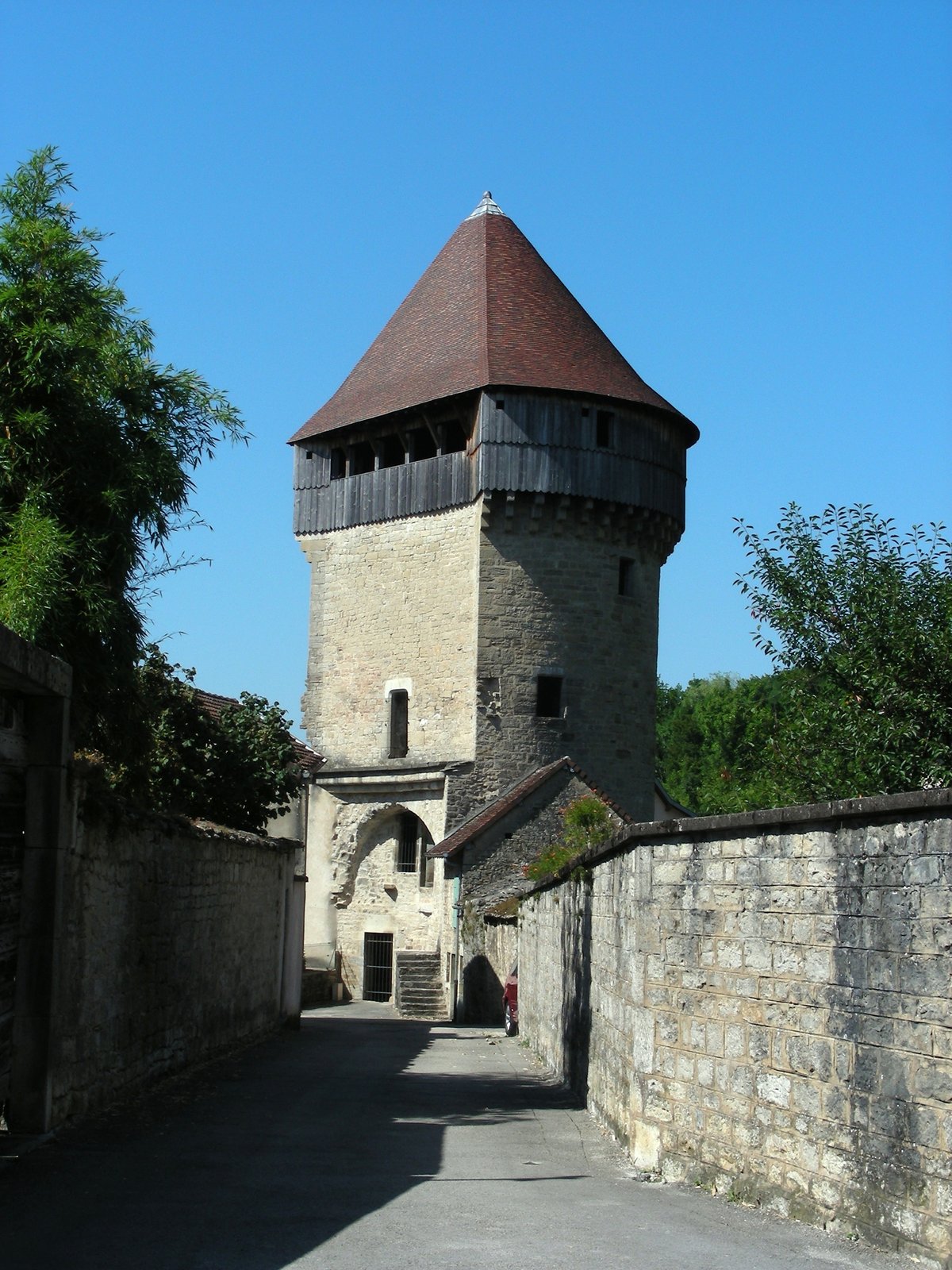

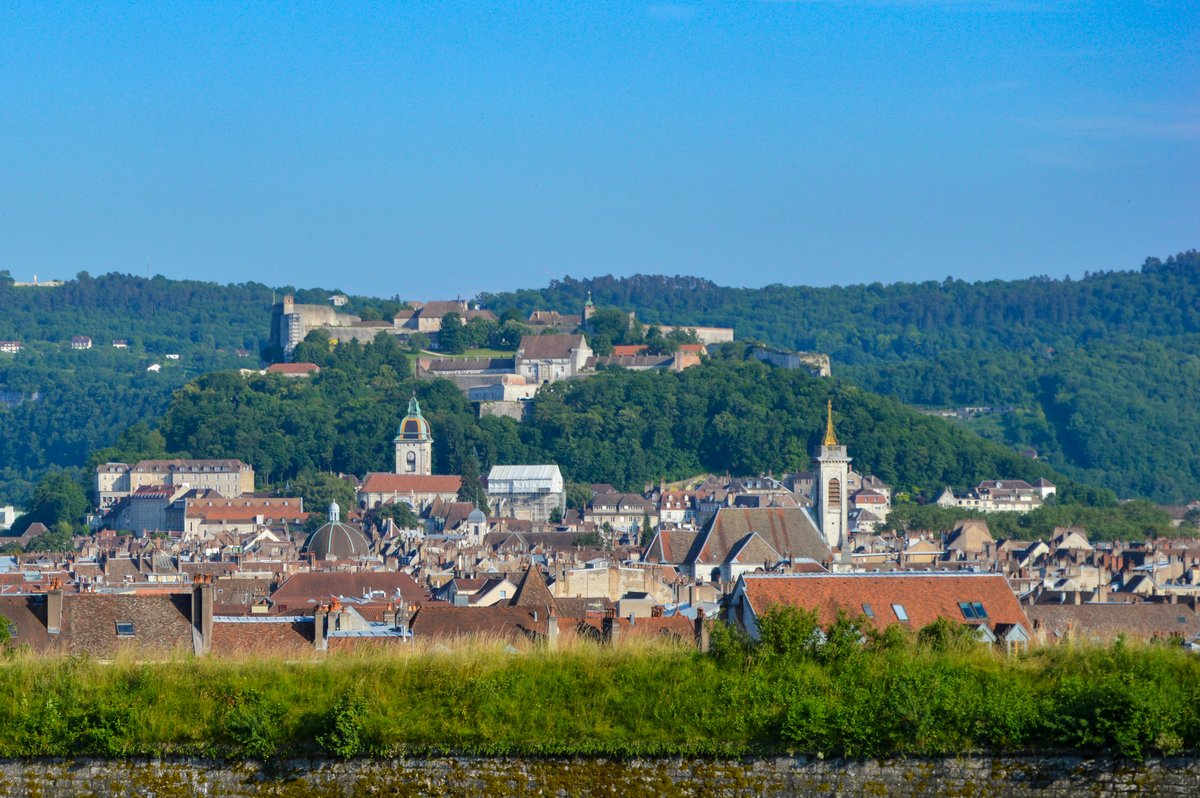
In the heart of Poligny, France, the ruins of the château de Poligny, also known as the château de Grimont, stand as a silent reminder of the 9th century. Built at the initiative of Girart de Roussillon, the fortress featured walls of 800 meters protected by seven towers. These structures once guarded the town at a crossroads of trade routes, supported by the region's prosperous salt production and local forests.
The fortress saw centuries of strategic importance, surviving the 15th-century conquests of Louis XI and a ransom in 1595 under Henri IV. During the Thirty Years' War, the fortress was taken by France after being supported by Charles IV of Lorraine for the Spanish Habsburgs. However, the site was dismantled in 1643 under the reigns of Louis XIII and Louis XIV, leading to the population being massacred and the town remaining uninhabited for about 30 years.
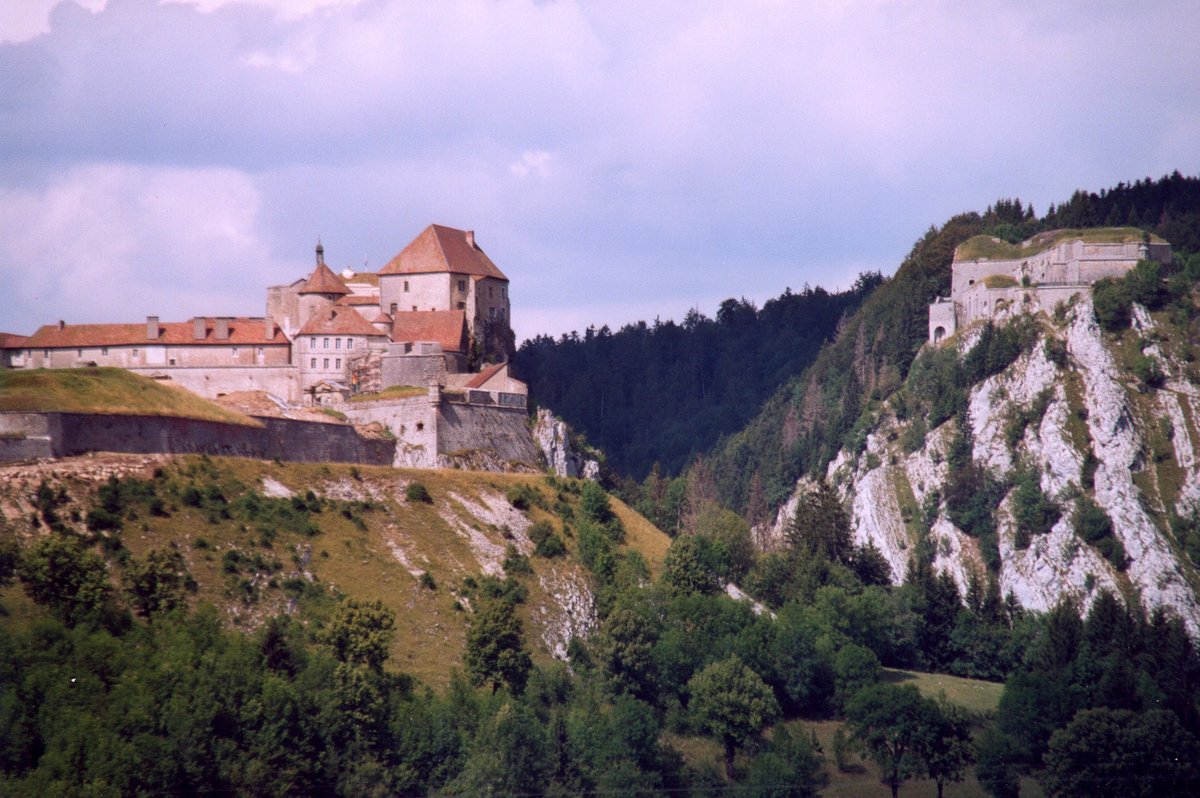
Today, only a few ruins remain at the site of the ancient castle, including the Saint-Laurent donjon and several towers, such as the tours de la Sergenterie. These remnants, along with the surviving walls and the town's old fortifications, preserve the history of a site that served as a primary stronghold for the administration of the region.
Sources: Wikipedia, OpenStreetMap, Wikidata, Wikimedia Commons
Written by Nicolo Ciampini
Discuss this with the author and others
No comments yet. Be the first to start the conversation.