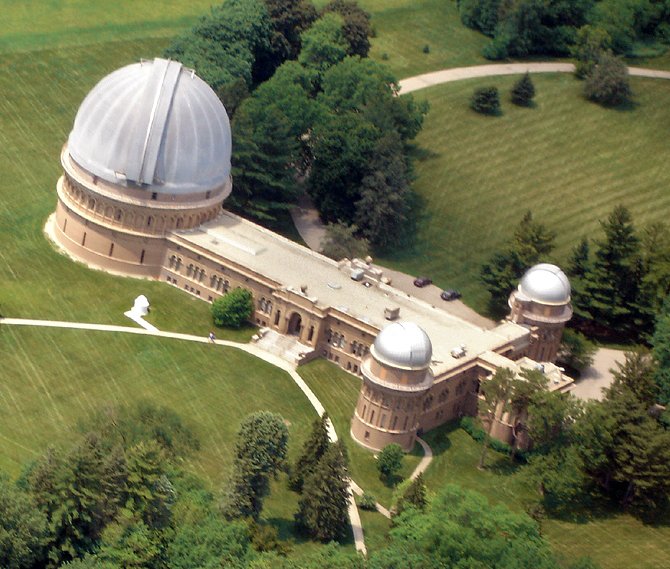
The 40-inch refractor is the largest lens-type telescope ever successfully used for astronomical observation. It sits inside a massive dome in Williams Bay, Wisconsin. When it was dedicated in 1897, it was the biggest of its kind in the world.
George Ellery Hale founded the observatory in 1892, with businessman Charles T. Yerkes picking up the tab. It changed the rules of the game. Instead of just housing a telescope, the building integrated observation equipment with laboratory spaces for physics and chemistry analysis. It was the birthplace of modern astrophysics.
The University of Chicago ran the site for over a century. Eventually, the 40-inch reached the end of its research life in the 21st century. The university closed the doors in October 2018.
Ownership shifted to a non-profit foundation in May 2020. They spent millions on restorations of the historic buildings and grounds. The doors opened again for public tours in May 2022. You can still see the refractor today inside the main dome, alongside a collection of over 170,000 photographic plates.
Sources: Wikipedia, OpenStreetMap, Wikidata, Wikimedia Commons






Written by Leroy
Discuss this with the author and others
No comments yet. Be the first to start the conversation.