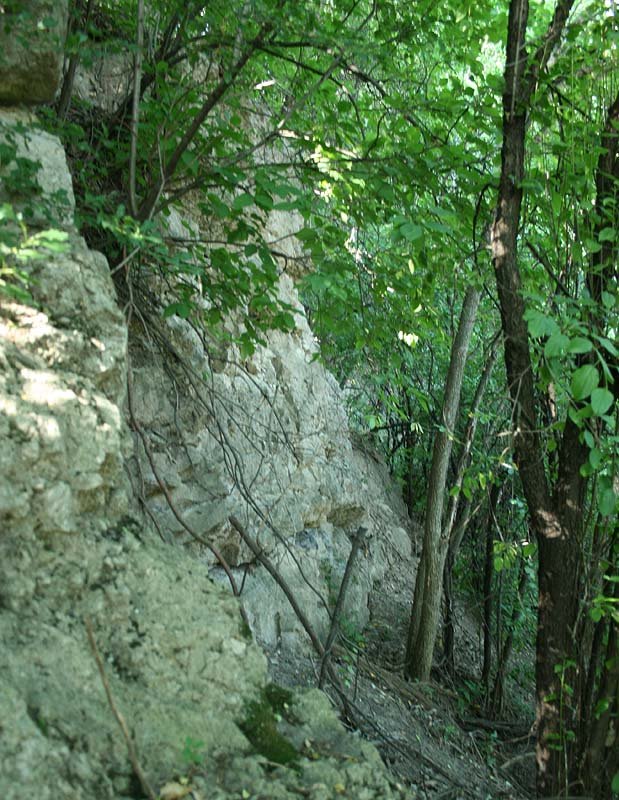
A 425 million-year-old reef sits in the Menomonee River valley. It is a massive outcrop of dolomite that stretches 600 feet along a bluff. Most of the hill is just glacial sediment from the last million years, but the bottom 20 feet is pure Silurian history.
Humans started burning lime here in the early 1800s. By 1862, geologist James Hall identified it as the first ancient reef described in North America. It became a scientific model for reef development because of how well it preserved fossils like trilobites.
Amateur geologists like Thomas A. Greene and Fisk Holbrook Day collected fossils from the site. Day's collection featured samples from about two hundred species, and was responsible for approximately 90% of reef species identification. Alexander Emanuel Agassiz purchased most of Day's collection for the Museum of Comparative Zoology at Harvard University in 1881. Day sold over five thousand fossils to Greene for his museum and another 10,000 of his collection were sold to the University of Michigan after his death.
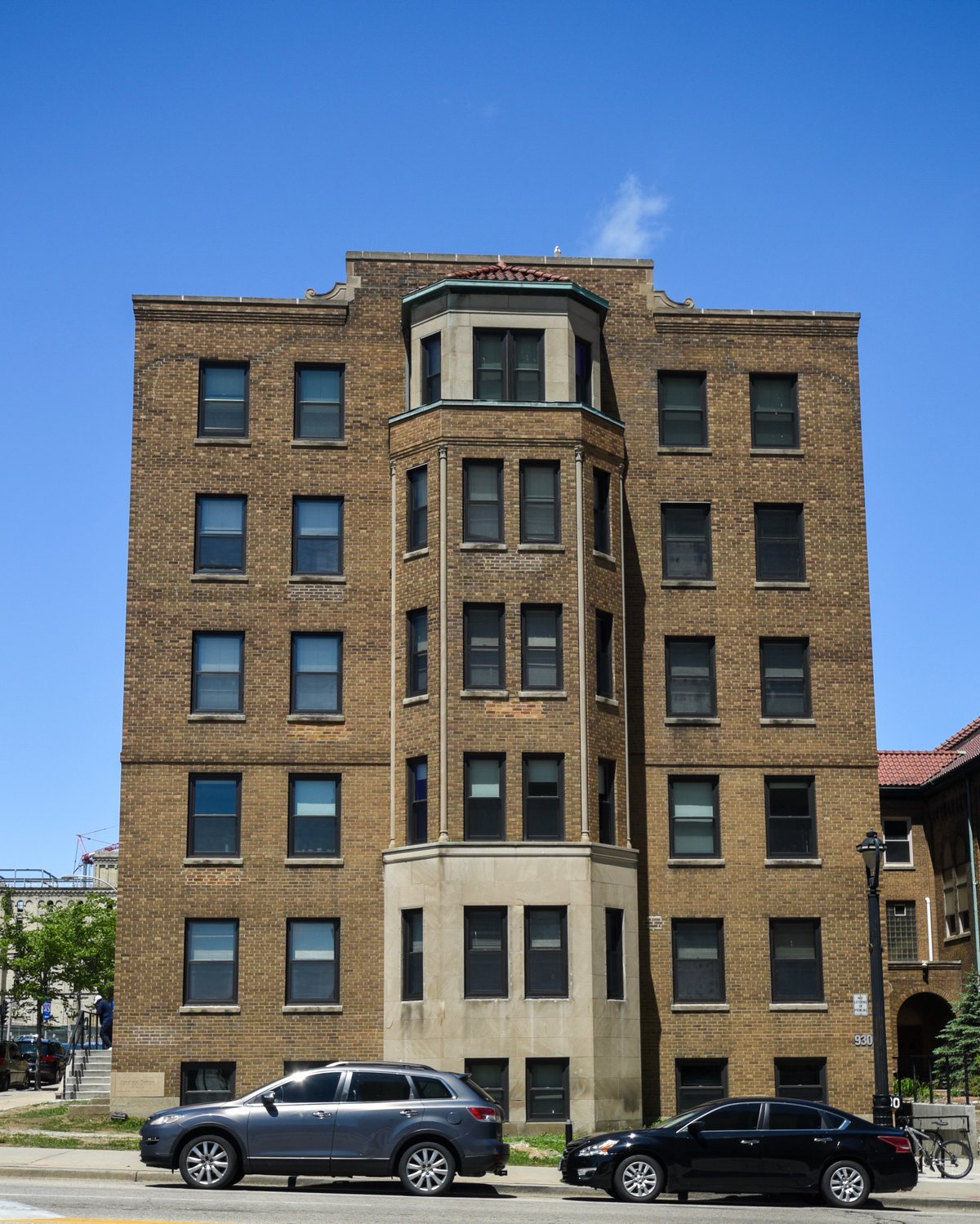
William C. Alden photographed the reef in 1899; the picture was widely distributed in geology textbooks. The site was used for aggregate production until 1948, and in recent years, an apartment complex named The Reef was constructed in front of the reef site. It is a National Historic Landmark.
Sources: Wikipedia, OpenStreetMap, Wikidata, Wikimedia Commons


Written by Leroy
Discuss this with the author and others
No comments yet. Be the first to start the conversation.