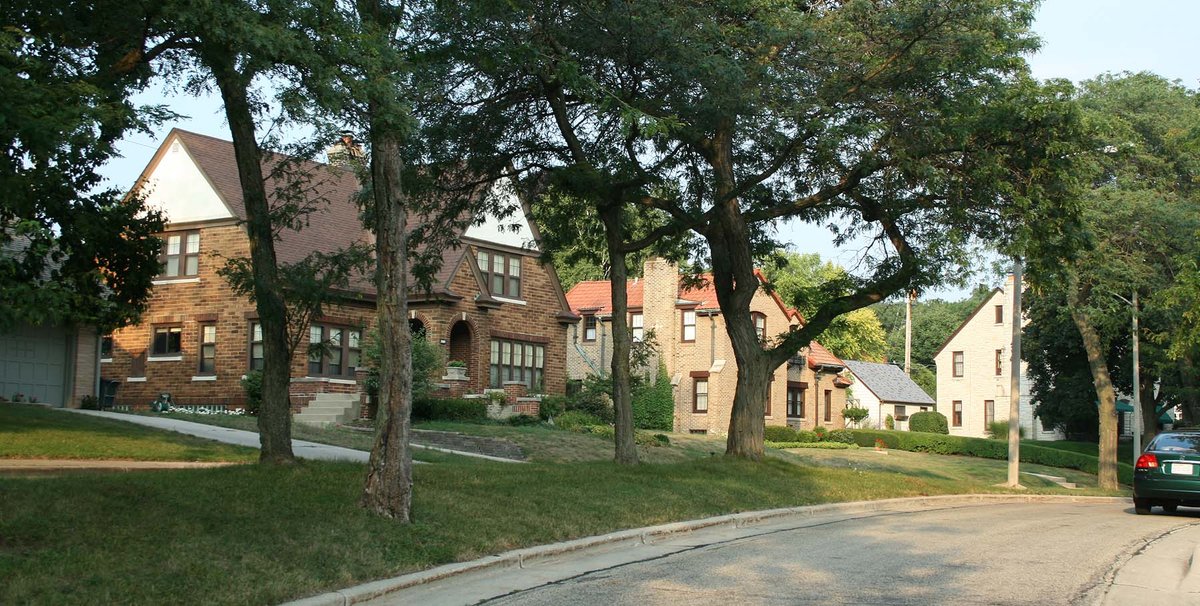
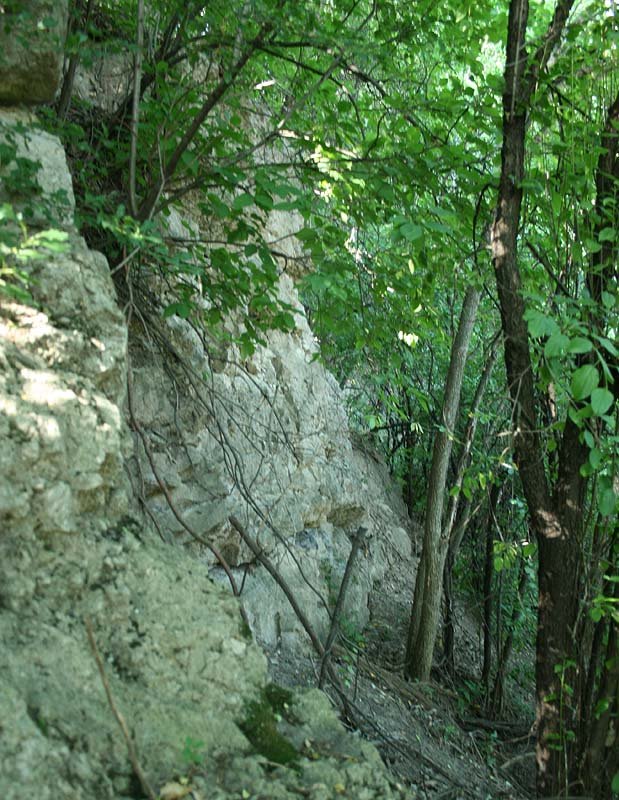
The Washington Highlands is a historic district in Wauwatosa, Wisconsin. Werner Hegemann planned the neighborhood in 1916, influenced by the garden city movement. The design emphasized the natural terrain with curving streets and preserved natural features like Schoonmaker Creek and parklands.
This area became the first in the Milwaukee area to adopt formal racial covenant exclusionary restrictions in 1919. The covenant stated that the land could not be purchased, owned, leased, or occupied by anyone other than white people, with exceptions for domestic servants. Financial institutions further aligned this segregation through redlining. The neighborhood was designated as green or “Grade A” as a “highly restricted and exclusive area,” which prevented Black and other non-white applicants from being approved for home loans.
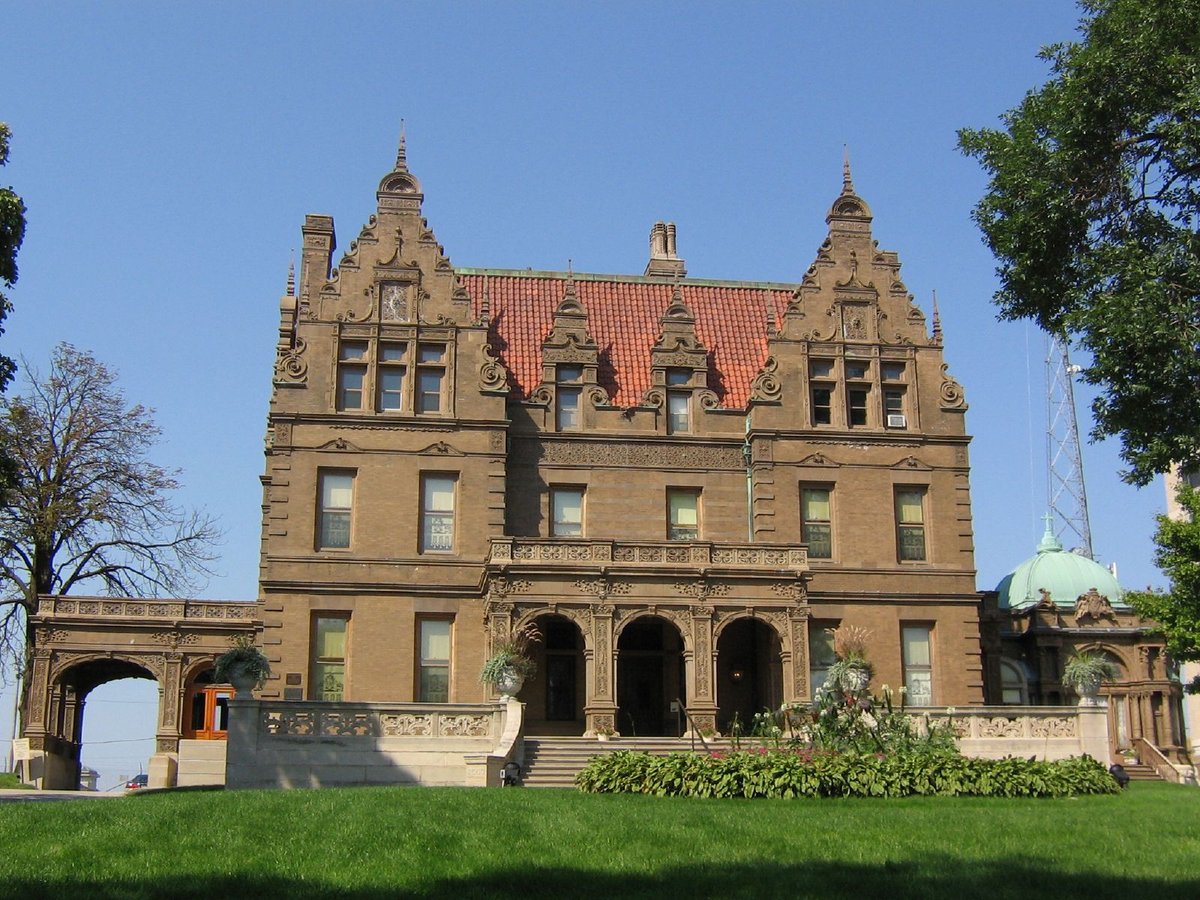
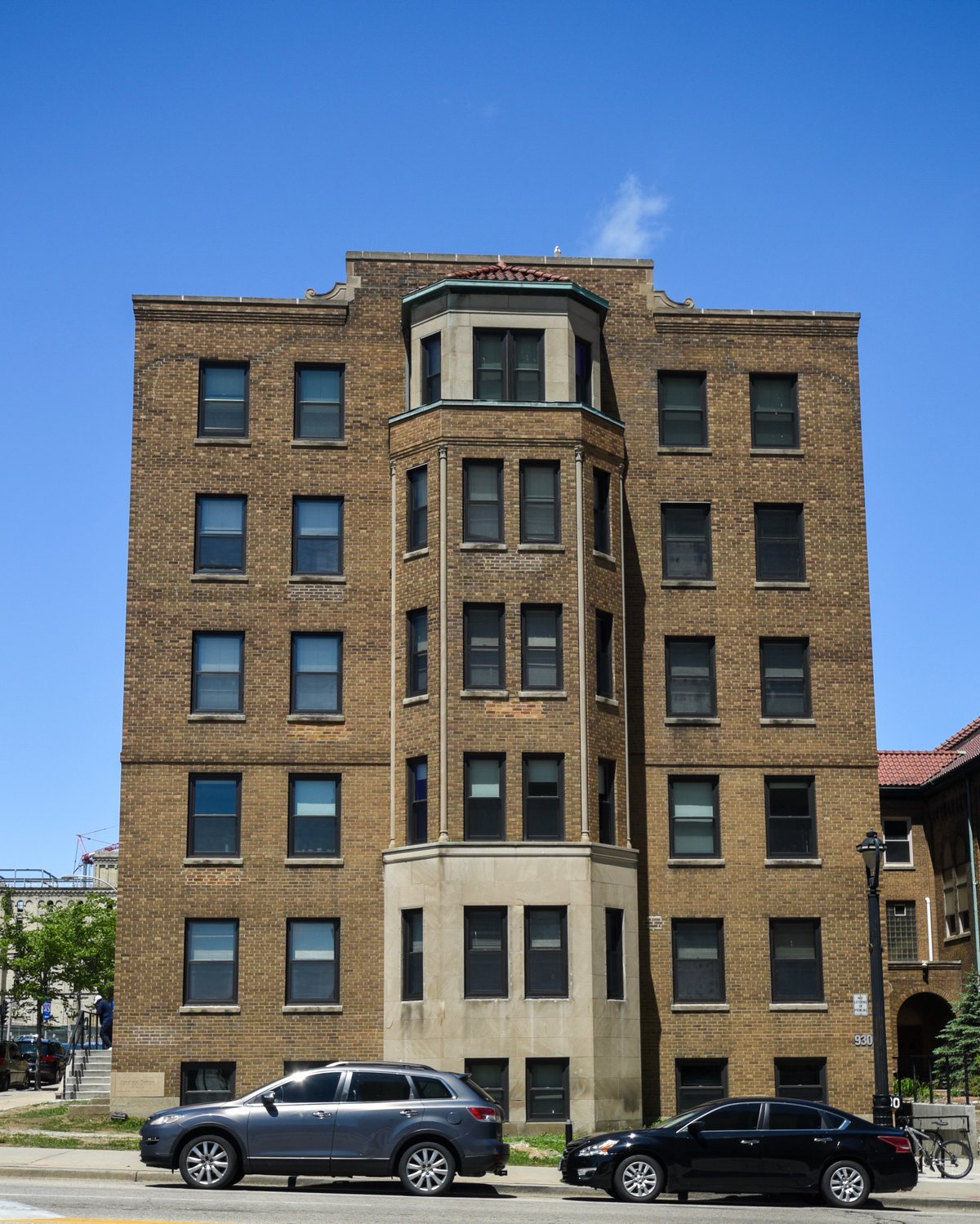
Architecture in the district displays a variety of styles. A 1922 Mediterranean Revival home on Alta Vista Avenue features a red-tiled roof and brick walls with corner quoins. Nearby, a 1927 Tudor Revival commercial block features half-timbering, a conical tower, and stone-arch doorways. These structures were part of a community designed to protect property values from the "infiltration of inharmonious racial groups."
Those restrictions remained in place until they were made illegal by the federal Fair Housing Act of 1968. The local legacy persists today, as the neighborhood’s demographics remained fairly consistently homogenous, with 87% of residents being white as of 2020. The district was added to the National Register of Historic Places in 1989 and designated a Wauwatosa Landmark in 1991.
Sources: Wikipedia, OpenStreetMap, Wikidata, Wikimedia Commons
Written by Leroy
Discuss this with the author and others
No comments yet. Be the first to start the conversation.