
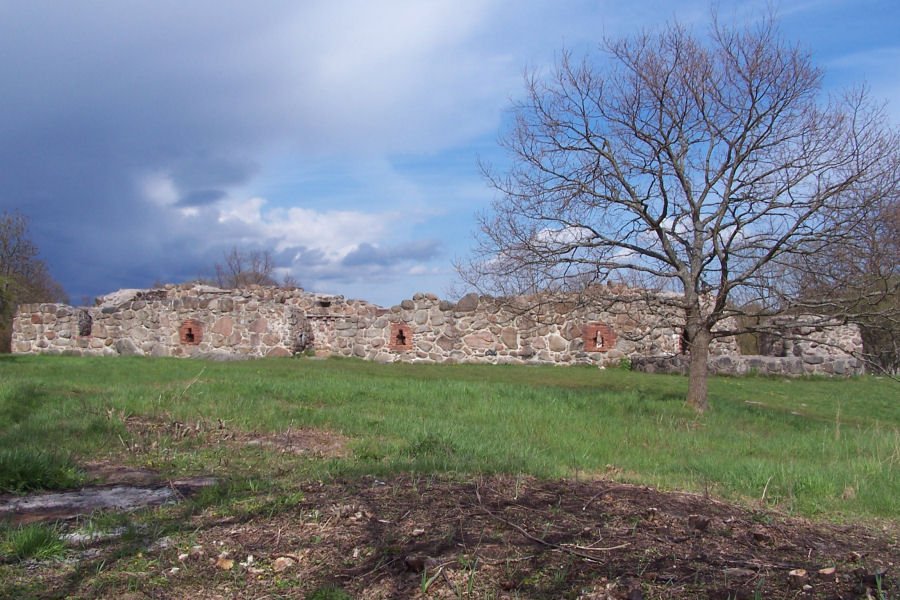
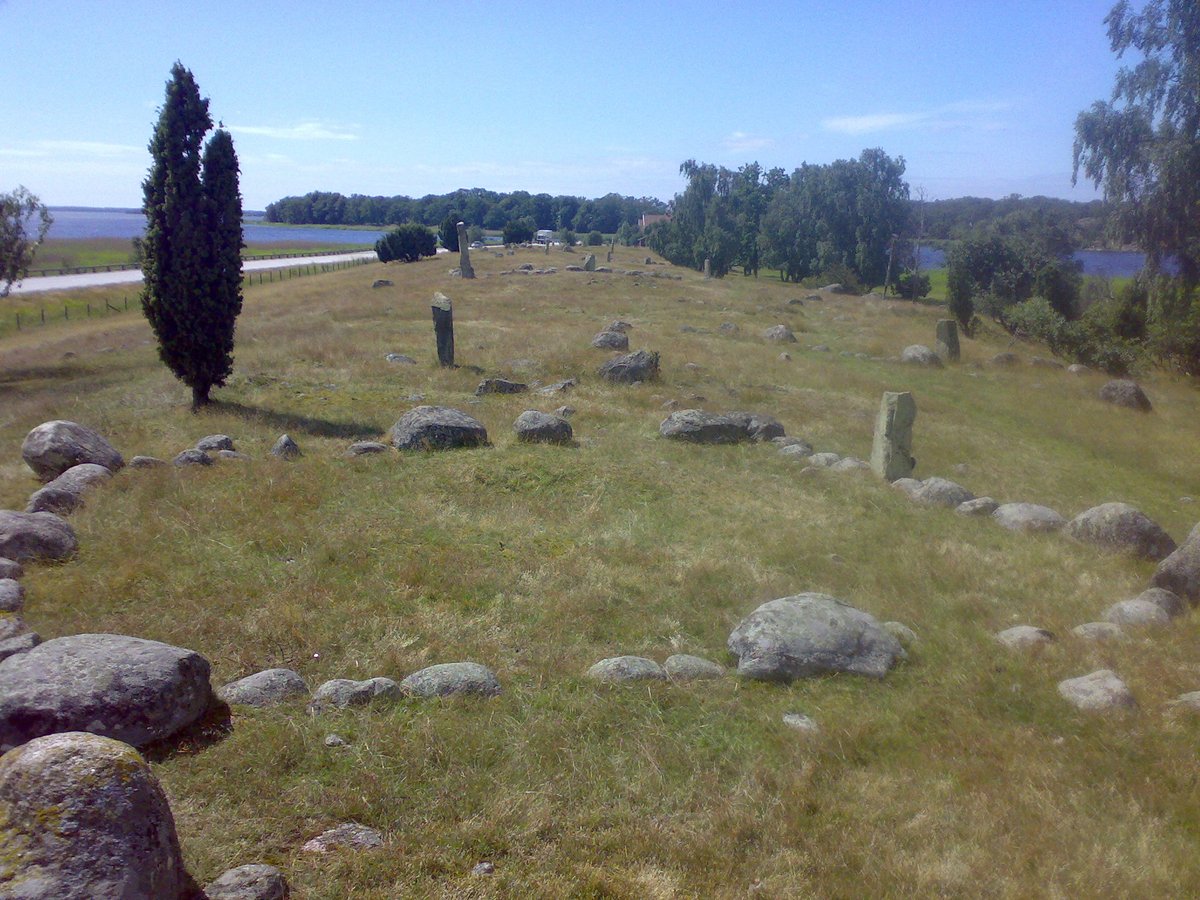
Archaeologists have uncovered a wealth of Baltic ware beneath this soil. These artifacts traveled from Slavic regions across continental Europe to Scandinavia during the Iron Age. The pottery in Blekinge differs in style from that in Slavic areas and other former parts of the kingdom of Denmark, indicating a closer connection to the Swedish areas of Småland and Öland.
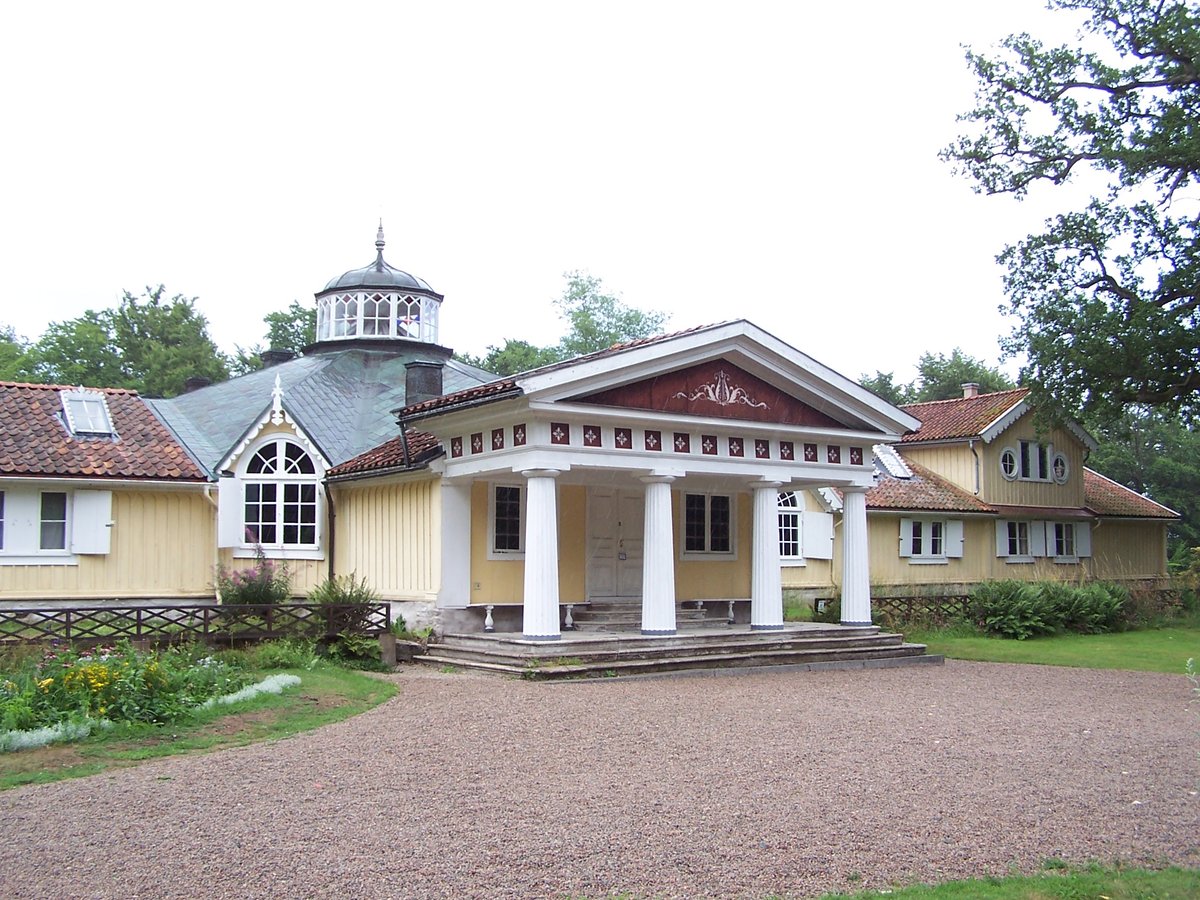
In 1720, pharmacist Johan Eberhard Ferber established the original manor house. This was followed by the construction of Stora Hus in 1810 by Admiral Providence Master Carl Schweber. The estate eventually moved to the family of Chancellor of Justice Nils von Koch in 1855, and his descendants remain the owners today.
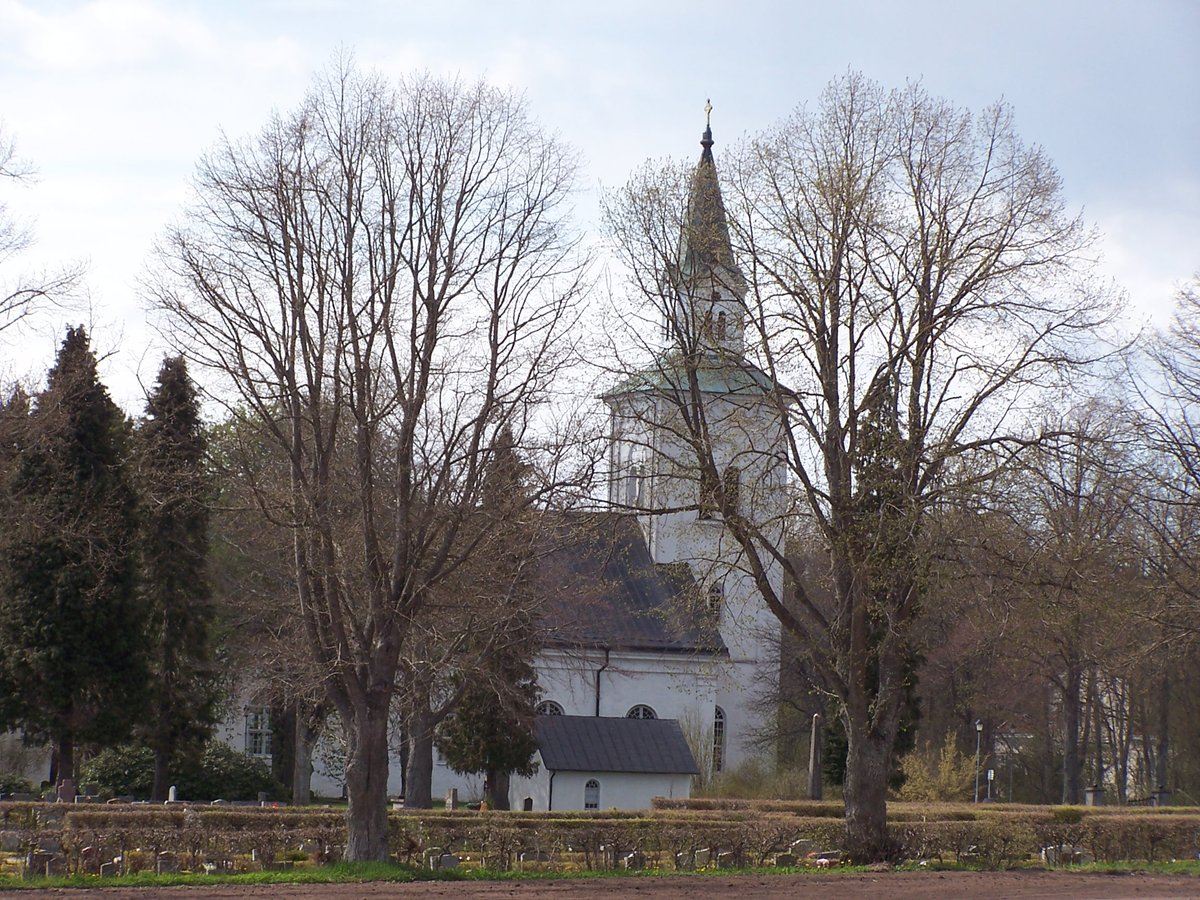
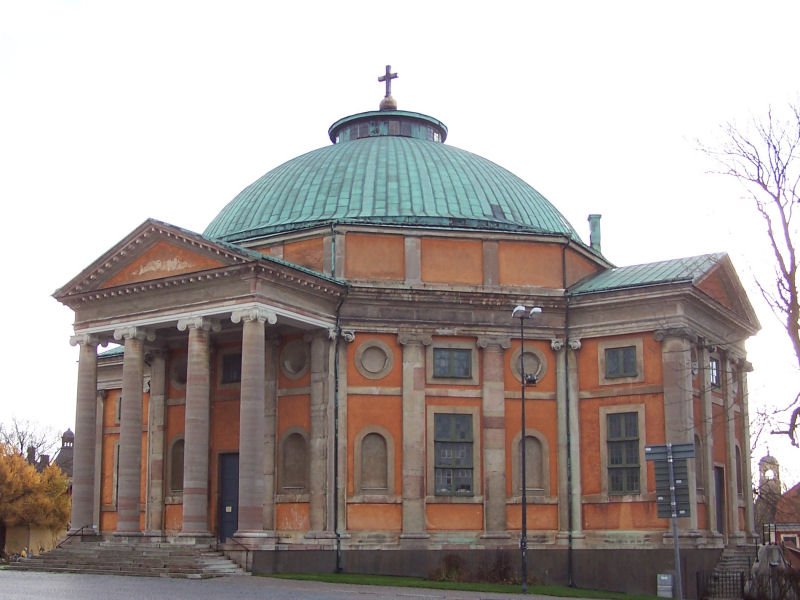
Nearby, the village church stands by the Lyckebyån river as a landmark of architectural progression. Designed by Jacob Wilhelm Gerss, the structure was erected between 1819 and 1822 in a neoclassical style. Albert Törnqvist later contributed the northern tower in 1862.
Sources: Wikipedia, OpenStreetMap, Wikidata, Wikimedia Commons
Written by Nik Frost
Discuss this with the author and others
No comments yet. Be the first to start the conversation.