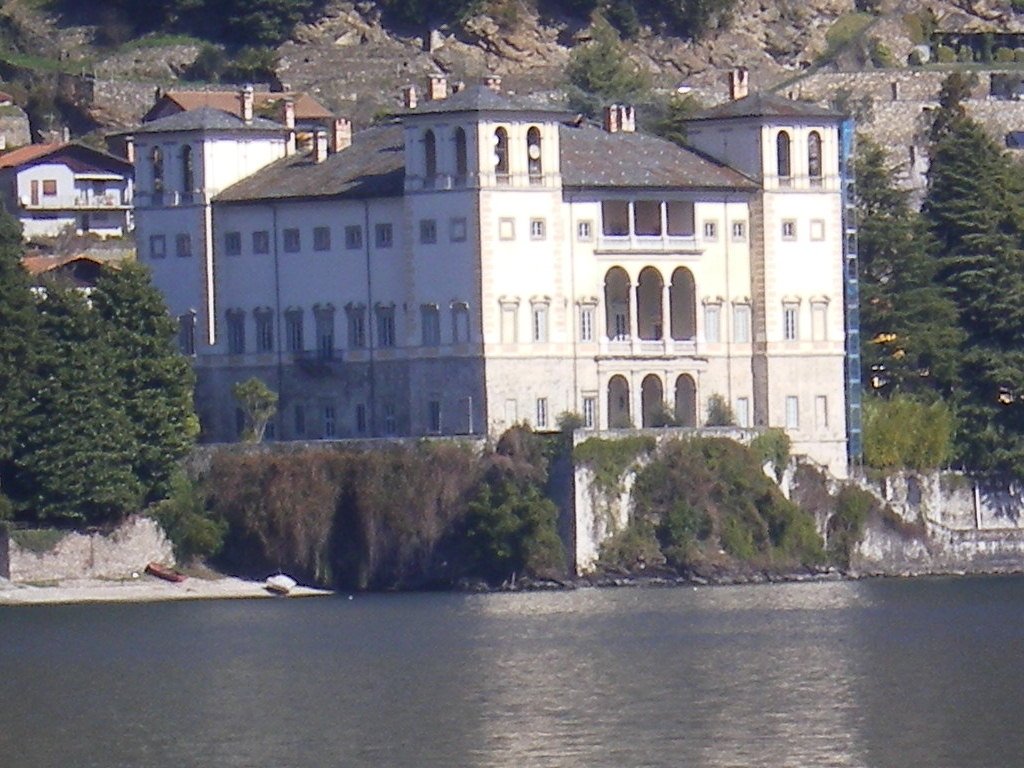

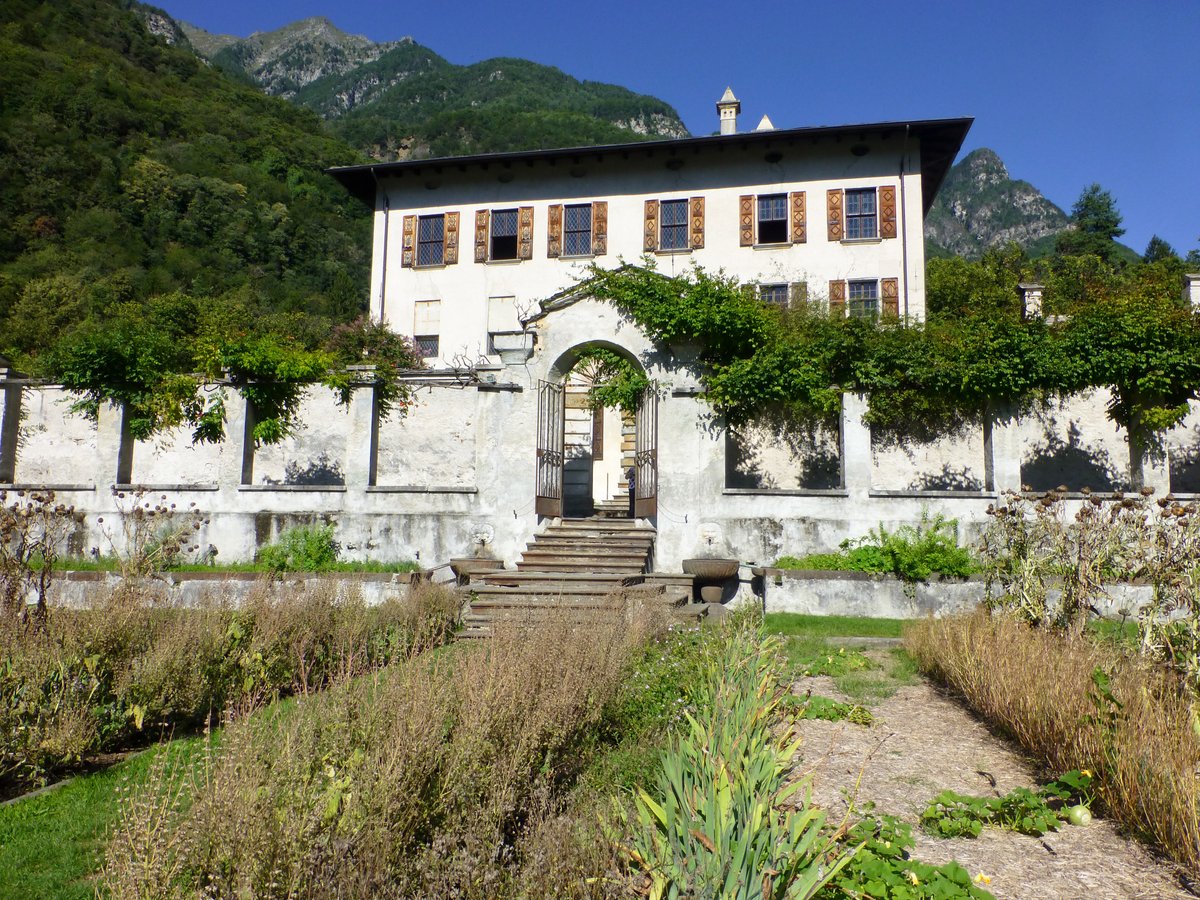
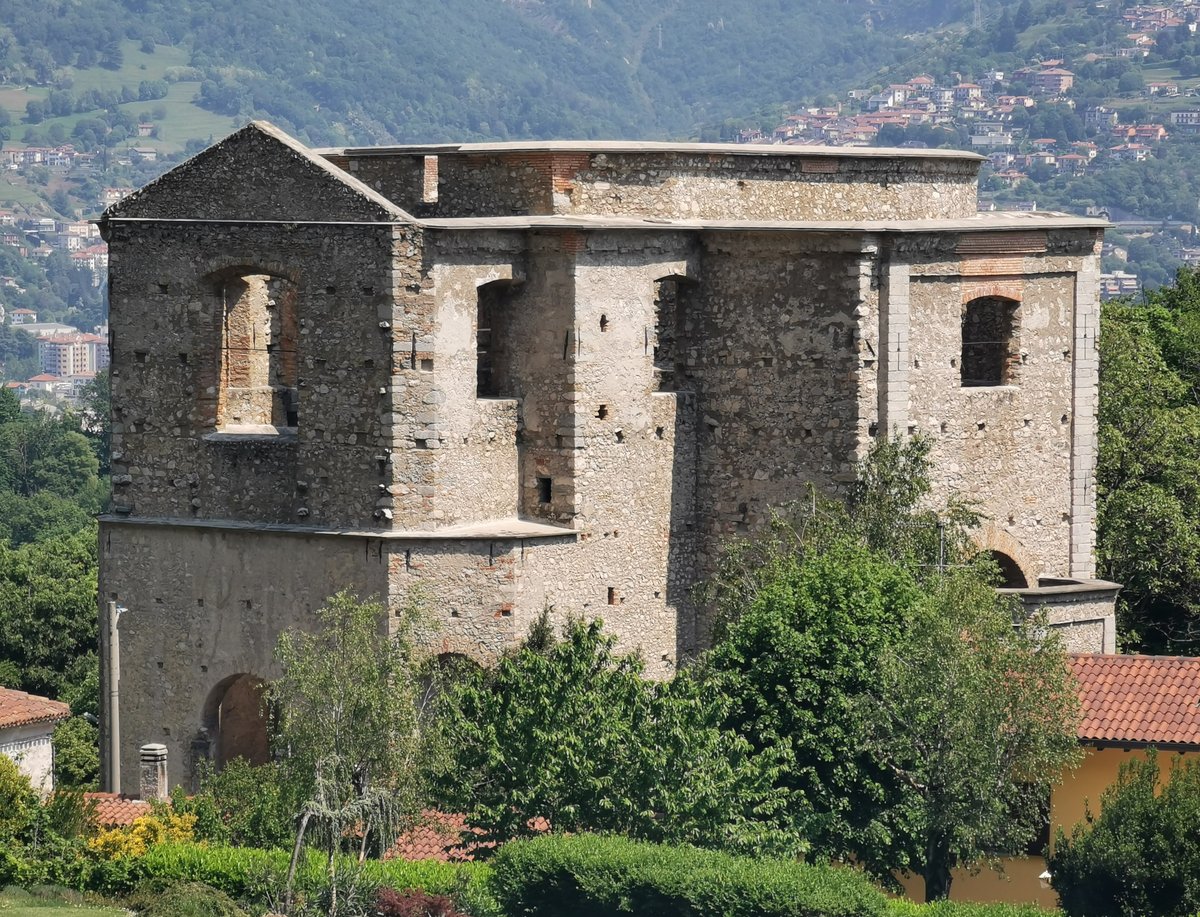
Palazzo Gallio, also known as Palazzo delle Quattro Torri, is a cardinal's residence in Gravedona, in the province of Como. The villa was founded on the site of a medieval fortification from the 12th century, some remains of which were incorporated into the garden's wall. It was built on commission by Cardinal Tolomeo Gallio, who held the territory of the Tre Pievi as a fief from 1579 to 1580. While often attributed to Pellegrino Tibaldi, the design is more likely by Giovanni Antonio Piotti. Construction began between 1586 and 1587, but the building was completed after 1607, the year the Cardinal died, meaning he never lived in it.
After the building was completed in 1620, it entered a period of abandonment. During the occupation by the French and the Spanish, it was used as a hospital. In 1636, during a war between those two powers, it was burned by Henri II de Rohan. In the 18th century, the palace featured a formal garden, which was later transformed into an English garden during the 19th century. By the beginning of the 19th century, a portion of the palace was used as a spinning mill.
Today, Palazzo Gallio serves as the seat of the Comunità montana Valli del Lario e del Ceresio and is included in the list of National Monuments. The villa is a solid square structure with four corner towers reflecting its old castle-like origins, while two open loggias face the lake and the mountains. The interior is arranged around a large central hall that runs the length of the building. A frescoed chapel is located on the first floor. The gardens, famous for their rare species since the 1500s, now feature numerous camellia trees, and a camellia exhibition is held there every year the week before Easter.
Sources: Wikipedia, OpenStreetMap, Wikidata, Wikimedia Commons
Written by Nicolo Ciampini
Discuss this with the author and others
No comments yet. Be the first to start the conversation.