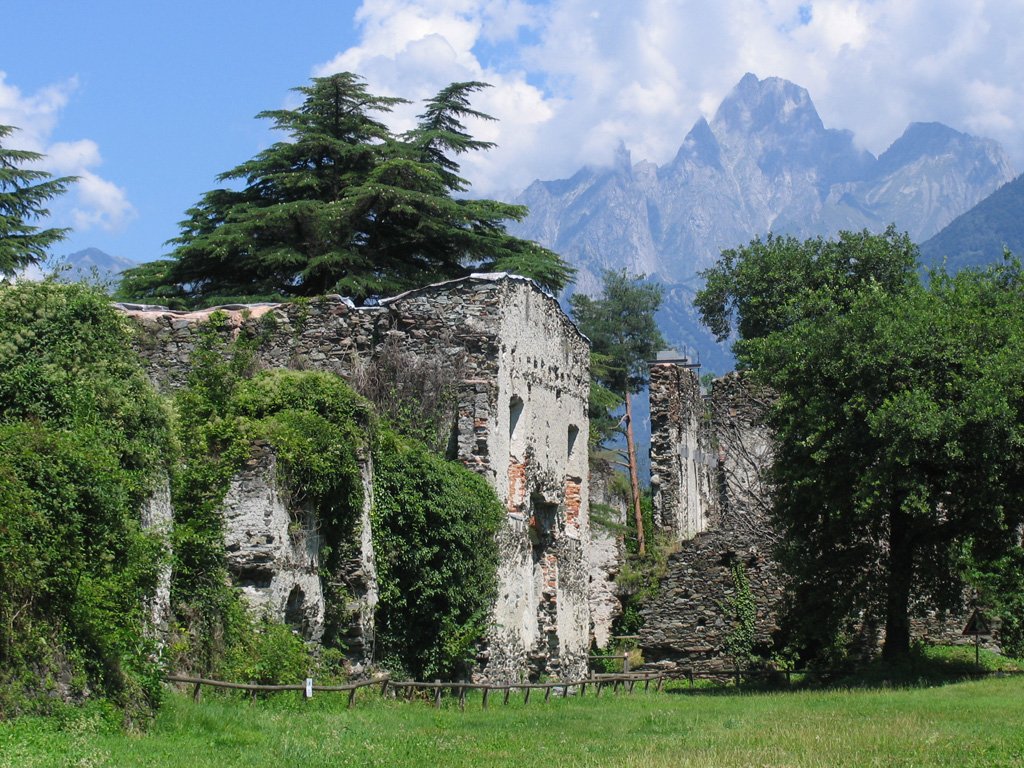

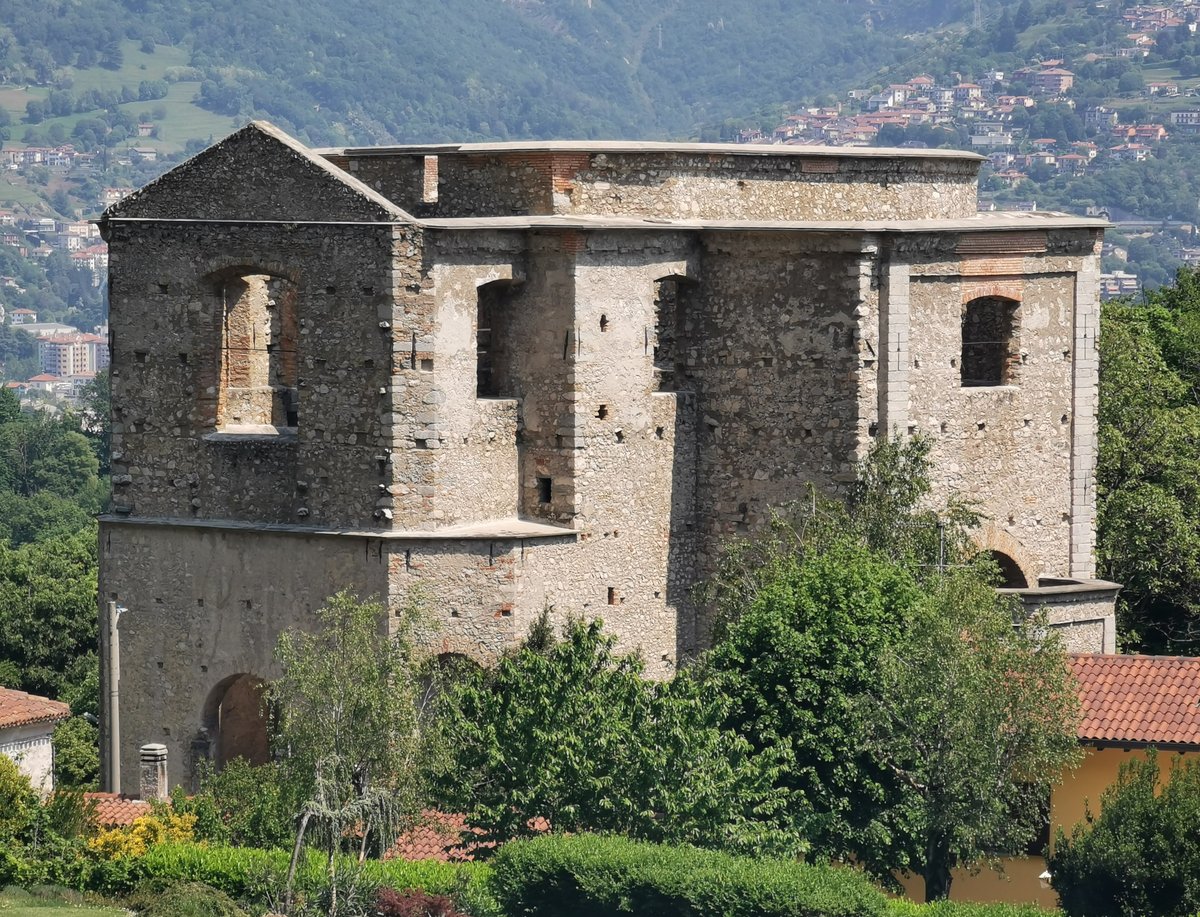
Located near Colico, Italy, Fort Fuentes was constructed by Don Pedro Enríquez de Acevedo, Count of Fuentes. Its purpose was to safeguard the Pian di Spagna and the strategic Trivio di Fuentes - the crossroads between the Valtellina, the Valchiavenna and the Alto Lario - to defend the northern border of the Spanish domain against the Grisons to the north.
Construction was begun in 1603 or October 1609 under military architect Gabrio Brusca and was substantially complete within three years. Related fortified structures included the tower of Sorico, the Torretta del Passo, the Fortino d'Adda, the Torrino di Borgofrancone, the Torretta di Curcio and the tower of Fontanedo.
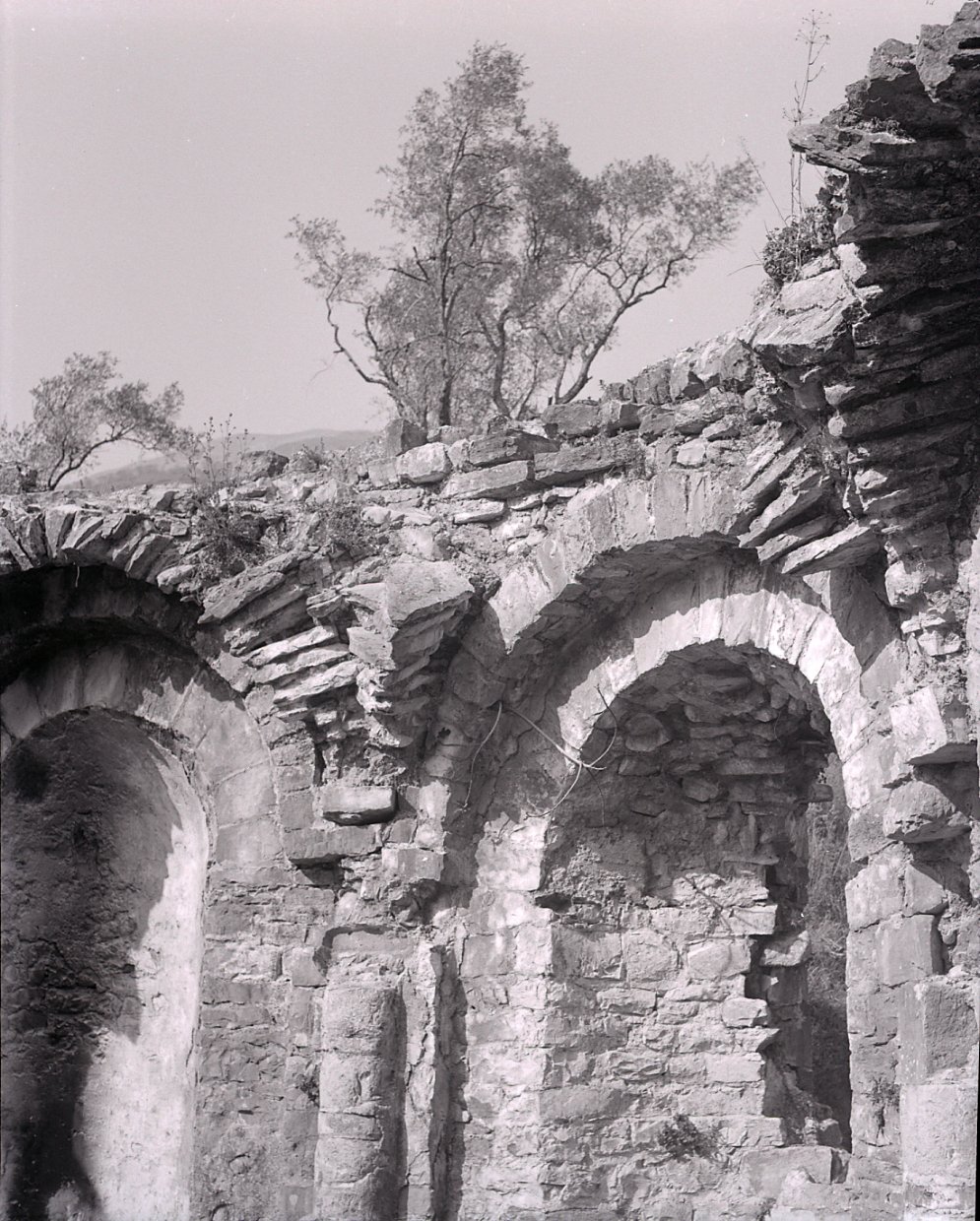
The fort yielded in 1706 to Prince Eugène of Savoy, ending Spanish control of the area. In 1769, Emperor Joseph II visited the fort and declared it militarily useless. It was decommissioned in 1782, and the hill was auctioned to a private buyer. The fortress was largely demolished in 1796 by general François Rambeaud on the orders of Napoleon and at the request of the Grisons.
During the 19th century, the ruins became the refuge of groups of bandits which the Austrian gendarmerie was unable to dislodge. In 1911 until 1913, the Fort Montecchio-Lusardi with eight gun emplacements were constructed on the site, and the circular Spanish tower on the western side was demolished.
Sources: Wikipedia, OpenStreetMap, Wikidata, Wikimedia Commons
Written by Nicolo Ciampini
Discuss this with the author and others
No comments yet. Be the first to start the conversation.