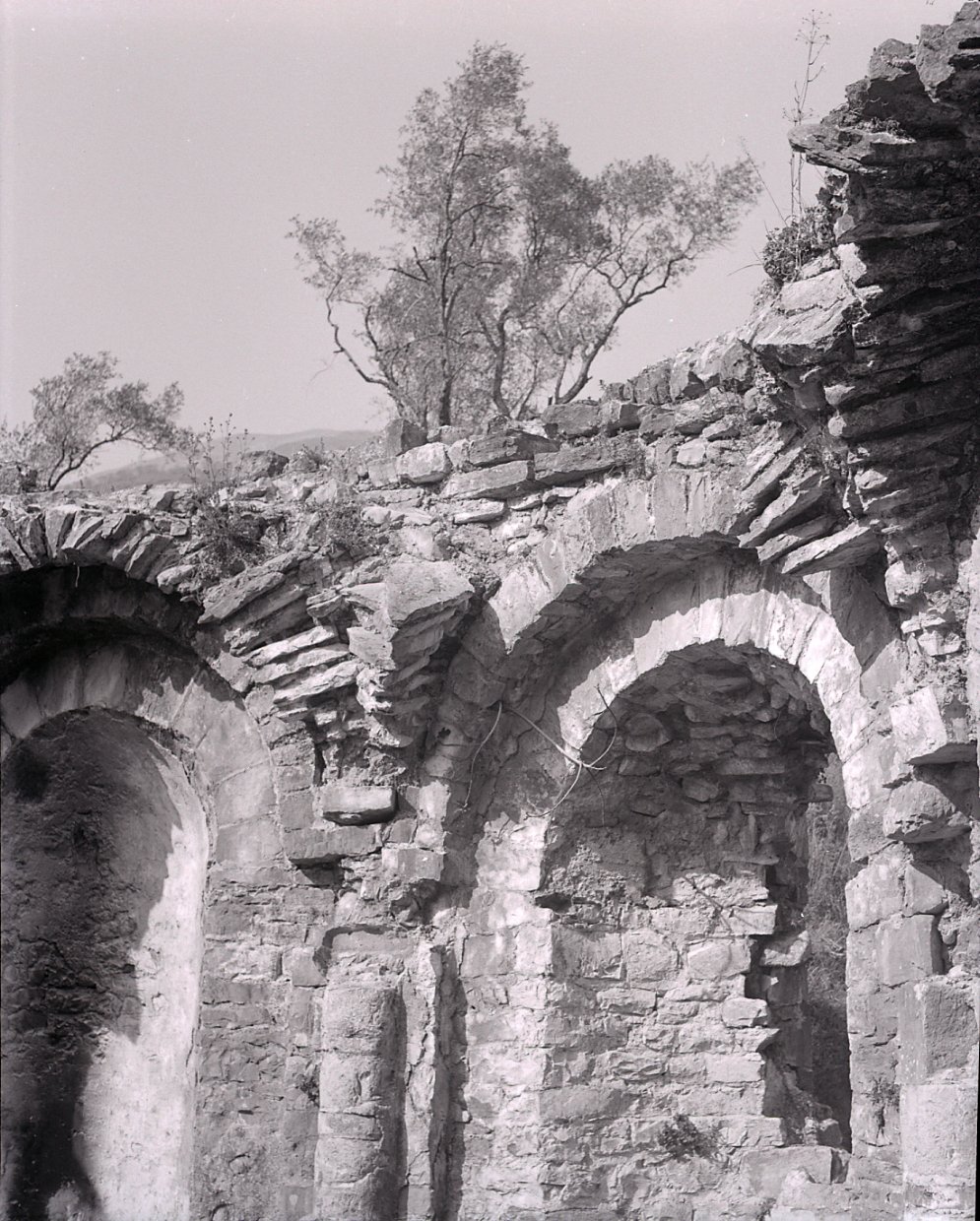

Locals still refer to the Basilica di Sant'Eufemia as the Duomo, reflecting its historical status as the most imposing structure on Isola Comacina. Built in the 7th century by Bishop Agrippino on a pre-existing structure, the basilica served as an episcopal seat. It was completely rebuilt in the Romanesque style at the beginning of the 11th century by Bishop Litigerio and became the seat of a canonical college in 1031.
In 1169, the basilica along with all nine other churches and the surrounding walls on the island were razed to the ground by the people of Como as a consequence of a decade of war. Some ruins were brought back to light during archaeological campaigns in 1914 and 1958. Today, the basilical structure is still recognizable, spanning over 40 meters in length with three apsidal naves and unique archaic octagonal columns.
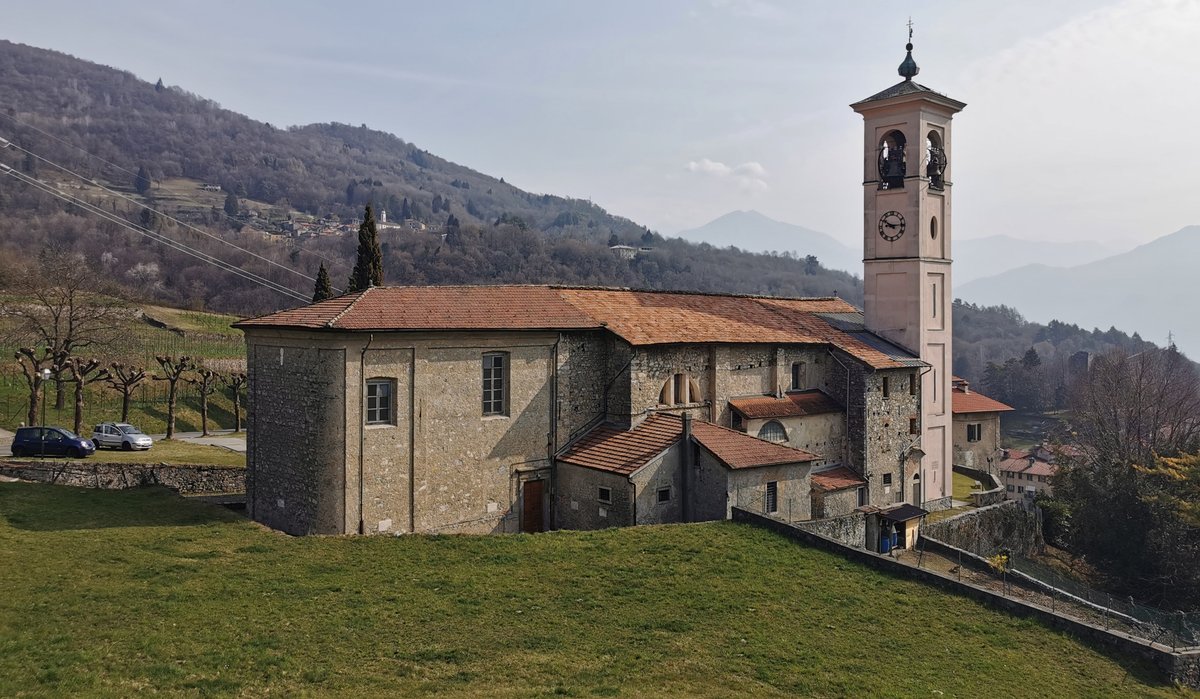
The original construction included a large portal, two side doors, and a bell tower with semicolumns and pilasters. Below the presbytery was a vast crypt with a cross-vault supported by eight columns. While many architectural elements were lost, a fine capital from the crypt and traces of frescoes remain. Many remains, including the funerary epigraph of Agrippino, were reused by those escaping the destruction of 1169 to build the parochial church of Sant'Eufemia in Ossuccio.
Sources: Wikipedia, OpenStreetMap, Wikidata, Wikimedia Commons
Written by Nicolo Ciampini
Discuss this with the author and others
No comments yet. Be the first to start the conversation.