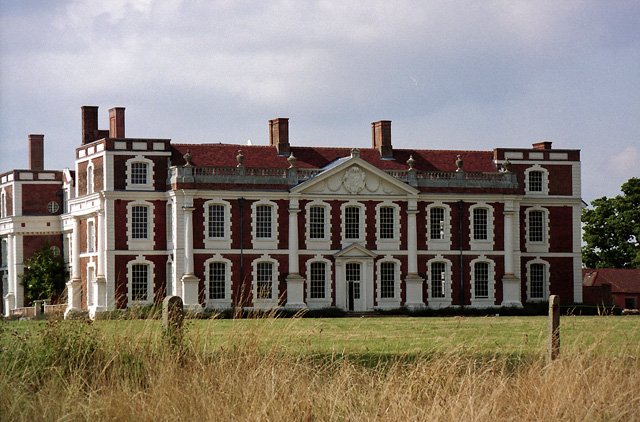

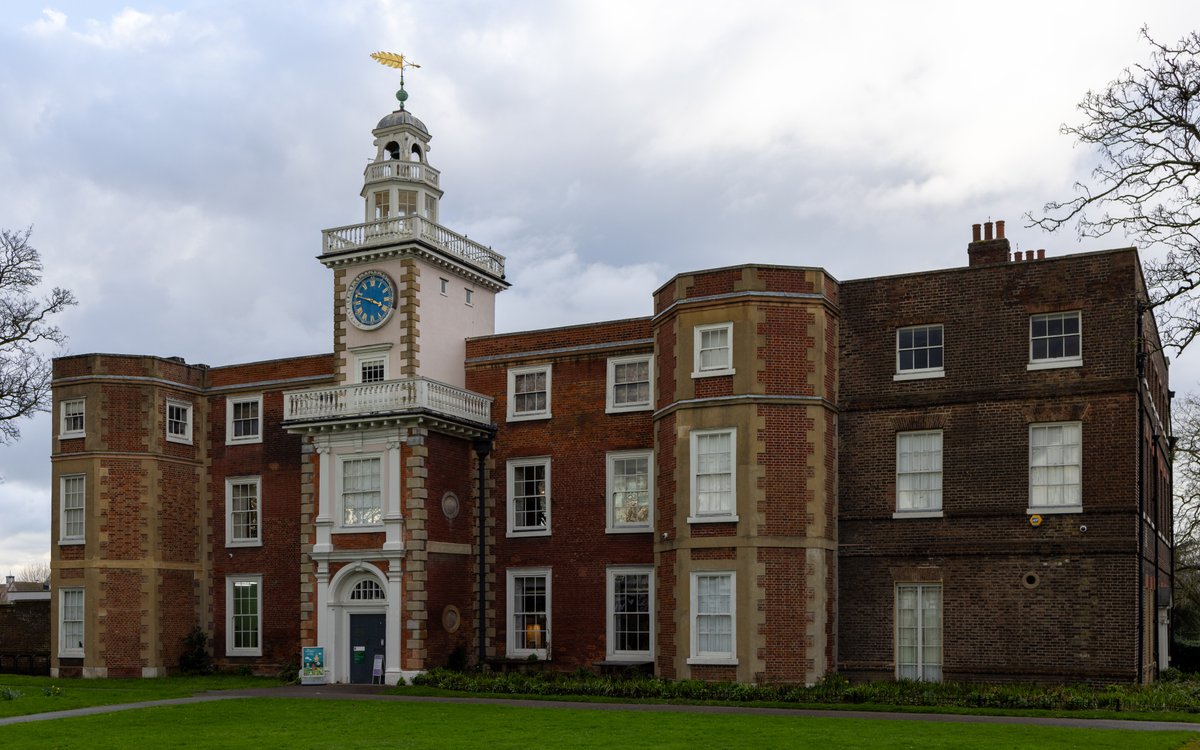
Nestled in the town of Theydon Mount, Essex, Hill Hall is an Elizabethan country house built for Sir Thomas Smith during the reign of Elizabeth I. Constructed over several intervals between 1567 and 1573, the house was built to replace a 12th-century building on the same site. It was built according to a plan provided by Smith to the architect and builder Richard Kyrkebye. The hall stands in 50 hectares of parkland designed by Humphrey Repton.
Hill Hall features some of the earliest classical decoration on any surviving building in Britain, including tiers of columns and friezes on the courtyard walls and giant order columns on some exterior facades. While a fire in 1969 destroyed most of the interiors, a series of wall paintings on the first floor survived. These are unusual survivors of classically inspired mural paintings and have been described by Croft-Murray of the British Museum as the most important survival of Elizabethan decorative figure painting in England. Limited tours are available to see these internal period wall paintings.
Throughout its history, the house served as a private estate for the Smith family until the mid-19th century. During World War II, it became a prisoner of war camp and a location for evacuated pregnant women from East London. After serving as a women's prison, it became part of the Heritage Trust. An archaeological dig in a layer dating to 1574 or 1575 uncovered the earliest known example of a guinea pig being kept in Europe, reflecting the high status of Sir Thomas Smith as an ambassador to France.
Sources: Wikipedia, OpenStreetMap, Wikidata, Wikimedia Commons
Written by Nicolo Ciampini
Discuss this with the author and others
No comments yet. Be the first to start the conversation.