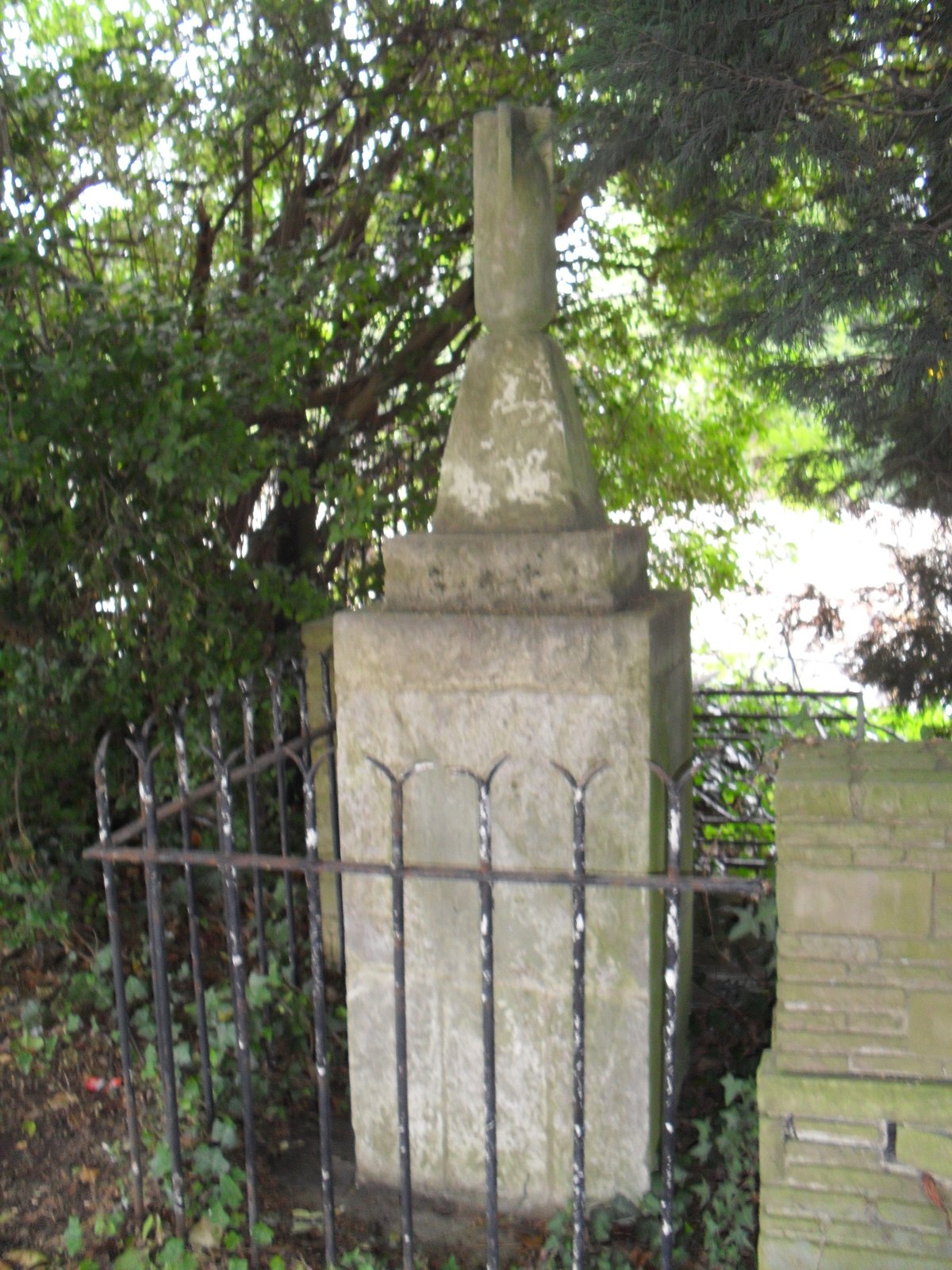
In 1935, Sylvia Pankhurst, a socialist suffragist and daughter of Emmeline Pankhurst, constructed a unique protest against the use of aerial bombardment for war. The Anti-Air War Memorial was built in Woodford Green, London, where it stands today as a poignant testament to her pacifist beliefs and harrowing experiences of World War I. The memorial was a powerful statement against the adoption of aerial bombardment as a means of warfare.
One of the inscriptions on the monument dedicates it to 'those who in 1932 upheld the right to use bombing aeroplanes', a pertinent reference to the participants of the 1932 World Disarmament Conference, who upheld the use of aerial bombing in warfare. On 20 October 1935, R.P. Zaphiro, secretary of the Imperial Ethiopian Legation, unveiled the memorial. On its first night, the monument was vandalized and stolen; a replacement was built and unveiled on 4 July 1936.
The second unveiling was attended by dignitaries from Germany, France, Hungary, Austria, Guyana, and Ethiopia, reflecting the international significance of Pankhurst's message. Today, the Anti-Air War Memorial remains a Grade II listed building and a powerful symbol of the devastating impact of aerial warfare.
Sources: Wikipedia, OpenStreetMap, Wikidata, Wikimedia Commons
Written by Nicolo Ciampini
Discuss this with the author and others
No comments yet. Be the first to start the conversation.