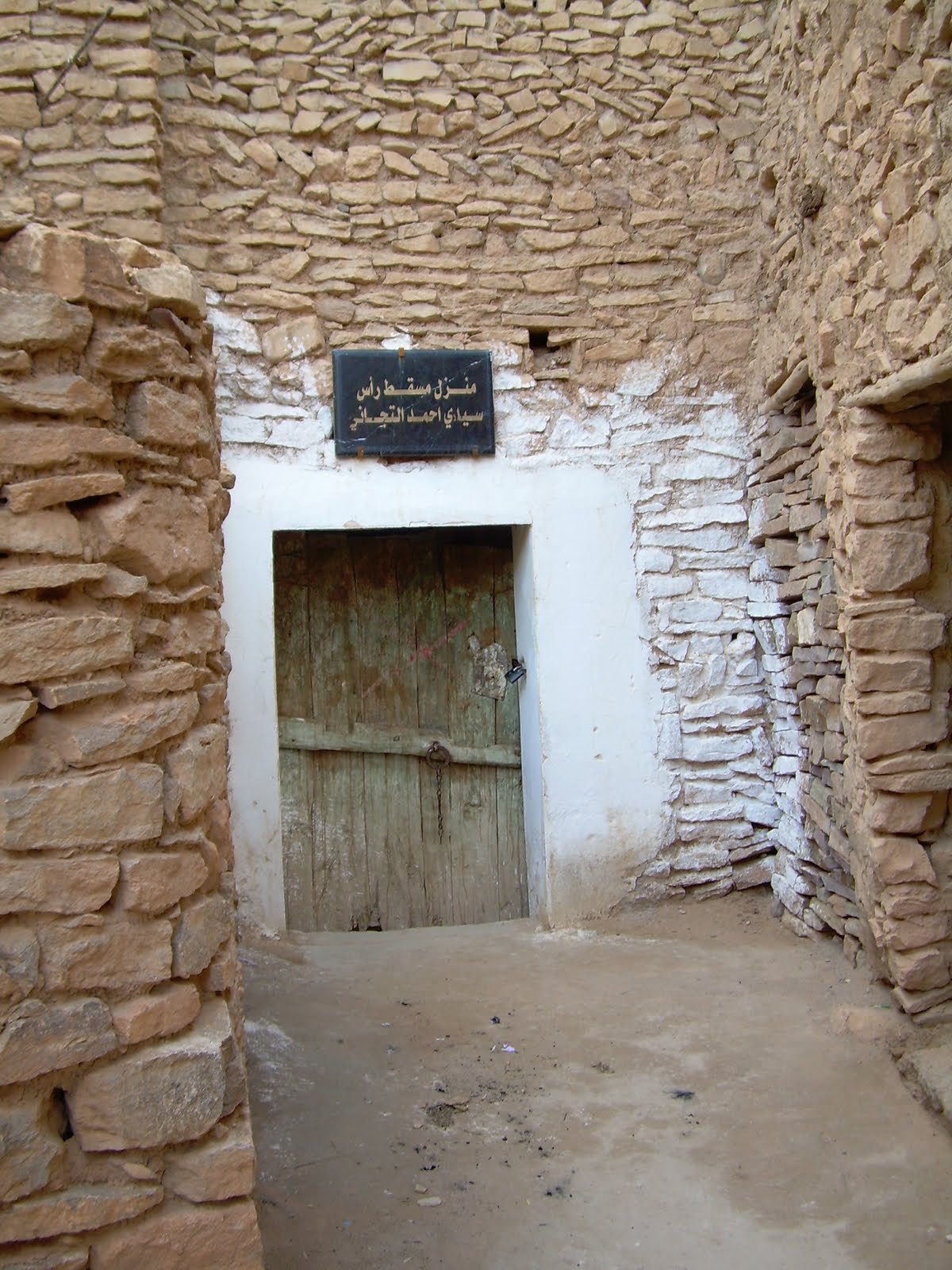

Ahmad al-Tijani was born in Ain Madhi in the 1730s to a man of learning and a woman from the original Tijanis of the village. He acquired the nisba "Tijani" from one of his forefathers who had settled in the village and married a woman from a Berber tribe that lived near Tlemcen. He claimed sharifian descent, tracing his origin to Fatima, the daughter of the Islamic prophet Muhammad.
After losing both parents to a plague at the age of sixteen, he studied the Quran and Islamic jurisprudence under the tutelage of Mohammed Ba'afiyya. In 1757, he left his village for Fez, where he joined three different Sufi brotherhoods. He spent time teaching at al-Abiad before beginning a journey to Mecca in 1772. During this journey, he was initiated into the Khalwati order and met several prominent figures, including Abd-karim al-Sammman, who told him he would become a dominant qutb or scholar within the regional Sufi orders.
In 1781, while living in the oasis of Boussemghoun, al-Tijani experienced a vision of the prophet Muhammad. He believed he received the command to establish his own order, the Tijaniyya, leaving his previous affiliations behind. He assigned to himself the title of Qutb al-Aqtab, or the Pole of the Poles, and Khatm al-Walayya al-Muhammadiyya, the Seal of Muhammadan Sainthood.
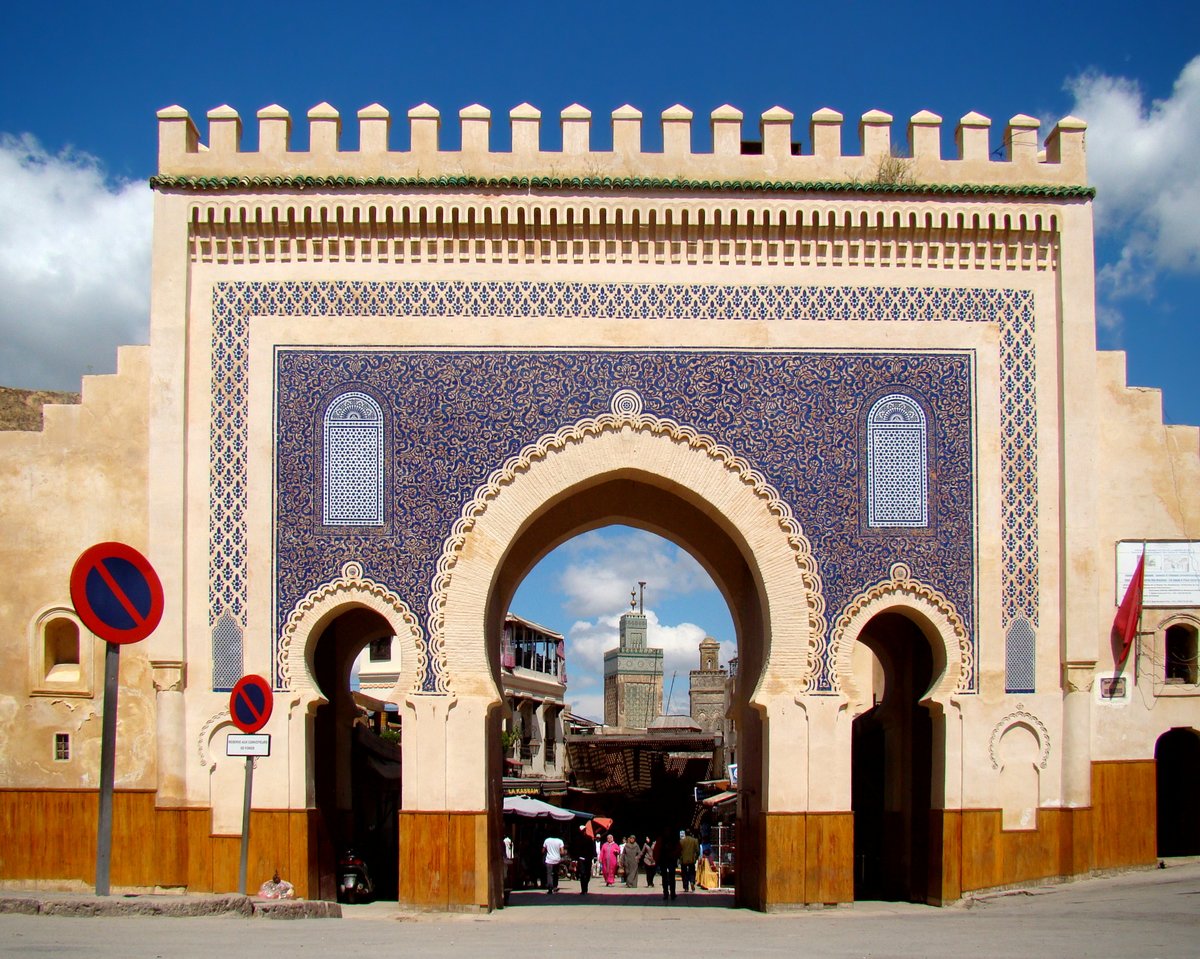
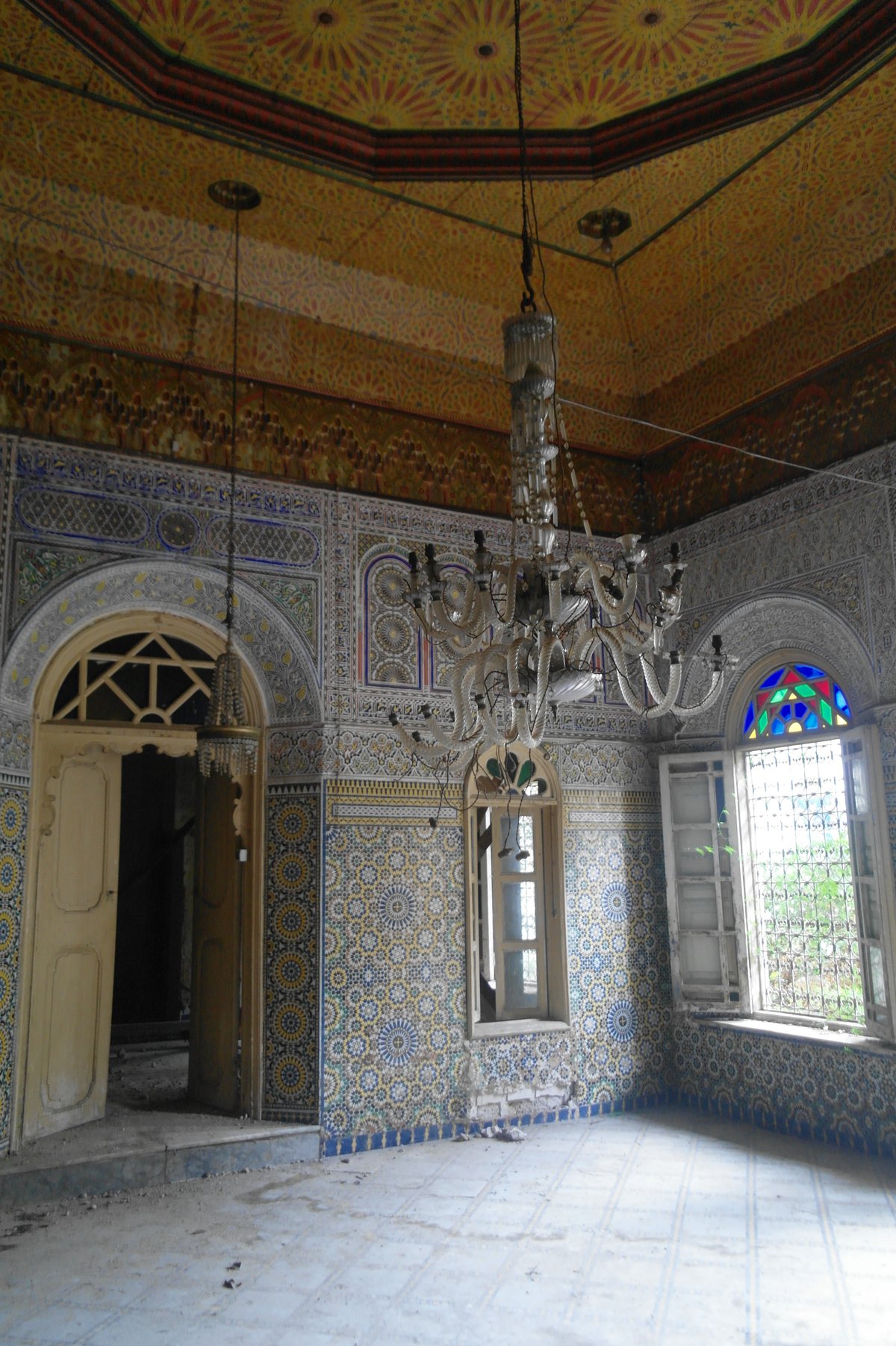
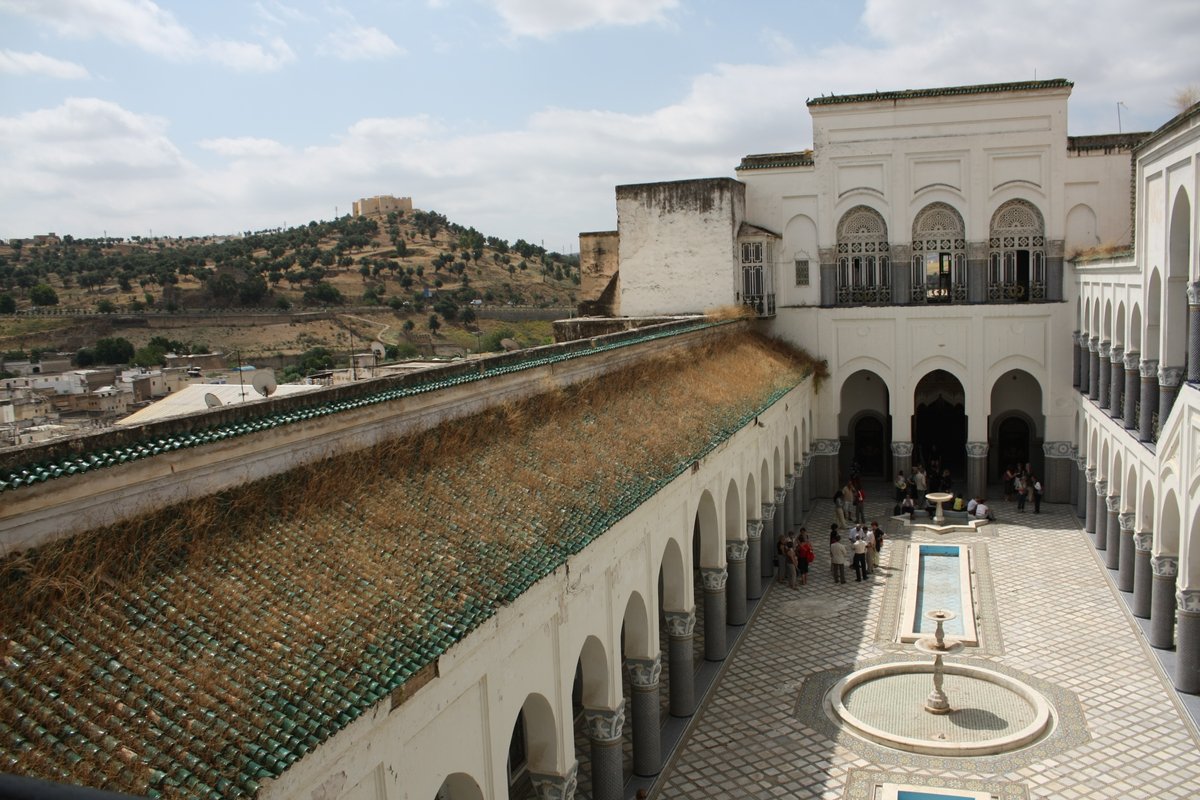
Under royal patronage from the Moroccan Sultan, al-Tijani's order expanded rapidly. He built a zawiya in Fez and sent trusted aides to spread the word of his order to Algeria, Oran, and Mauritania. After his death in 1815, the Tijaniyyah spread throughout North and West Africa, becoming a significant and sometimes militant movement across the region.
Sources: Wikipedia, OpenStreetMap, Wikidata, Wikimedia Commons
Written by Mutabor
Discuss this with the author and others
No comments yet. Be the first to start the conversation.