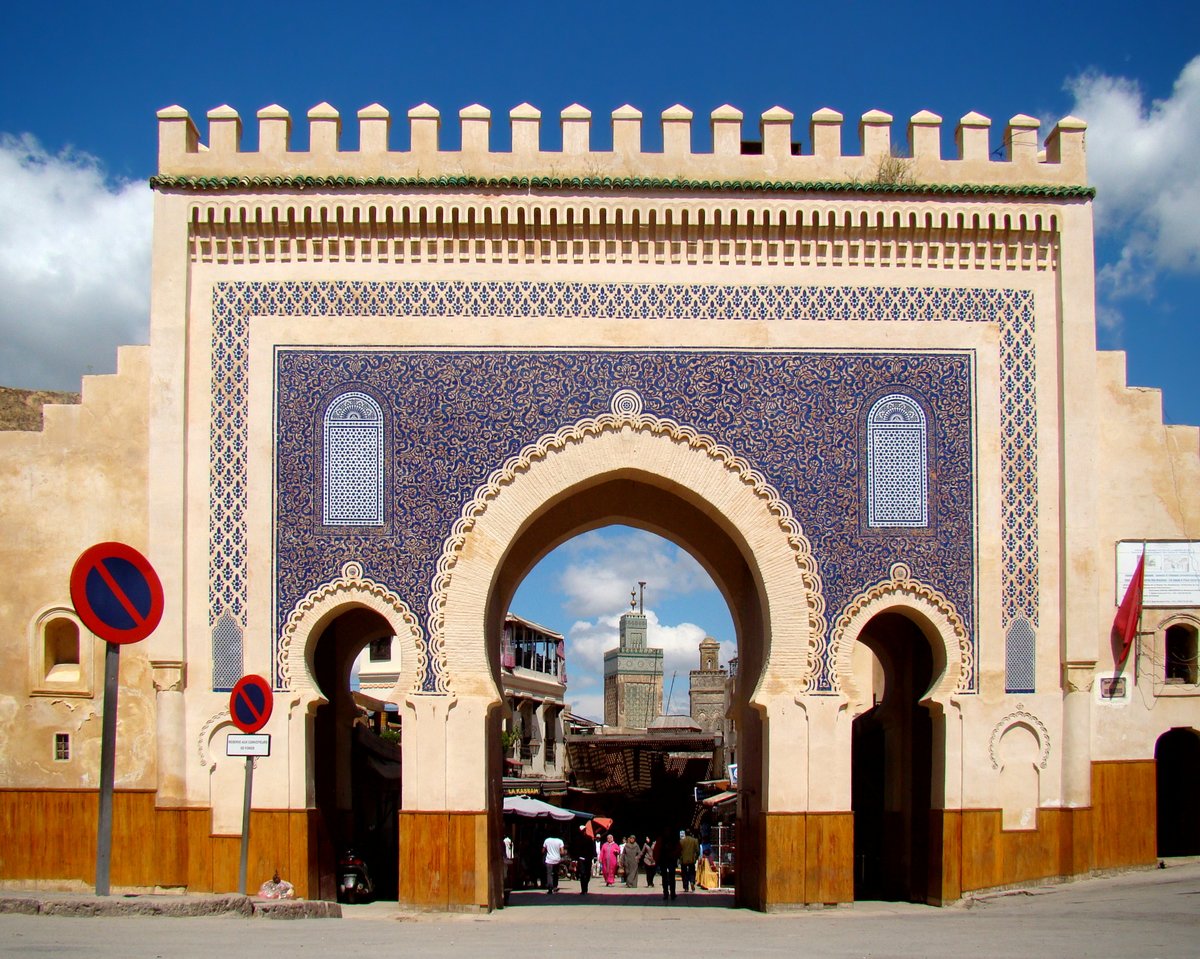

In AD 789, Idris ibn Abdallah chose to build a new town on the right bank of the Fez River for his newly acquired empire. Many of the first inhabitants were refugees fleeing from an uprising in Cordoba. In 809, his son Idris II decided to found a capital of his own on the opposite bank of the river. Although separated by a small river, these two cities developed separately until they were unified in the 11th century by the Almoravids. During this time, more refugees fleeing from an uprising in Kairouan settled in the new city. One of these refugees, Fatima al-Fihri, is traditionally recorded as having founded the University of Al-Karaouine in 859. UNESCO and Guinness World Records consider it the oldest continuously operating university in the world.
During Almohad rule in the 12th and 13th centuries, Fez was a thriving merchant city and became the largest city in the world, with approximately 200,000 people living there. After defeating the Almohads in Morocco, the Marinids moved the capital from Marrakesh back to Fez in 1276. This began the greatest period in the city's history. The Marinids built Fes Jdid as a new administrative capital next to the old city, Fes el-Bali, and constructed Morocco's first true madrasas, including the Bou Inania and Al-Attarin.
After a low point during succession conflicts, the city's fortunes rose more definitively after 1757 under the reign of Moulay Muhammad Ibn Abdallah and his successors. The last major change to the topography before the 20th century occurred during the reign of Moulay Hasan I (1873-1894), who finally connected Fes el-Jdid and Fes el-Bali. In 1912, French colonial rule was instituted, and the capital was moved to Rabat. Governor Hubert Lyautey chose to preserve the historic walled medinas rather than redeveloping them, leading to the construction of the Ville Nouvelle just outside the old city walls.
Sources: Wikipedia, OpenStreetMap, Wikidata, Wikimedia Commons
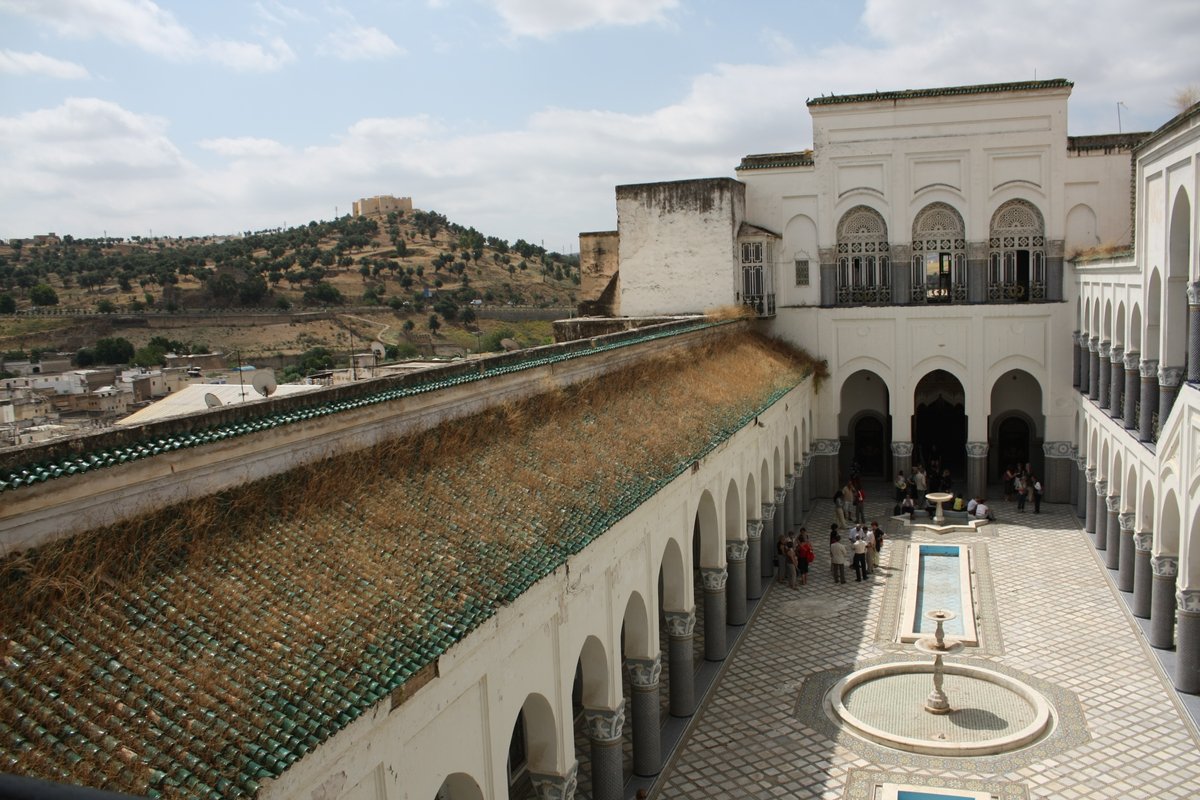
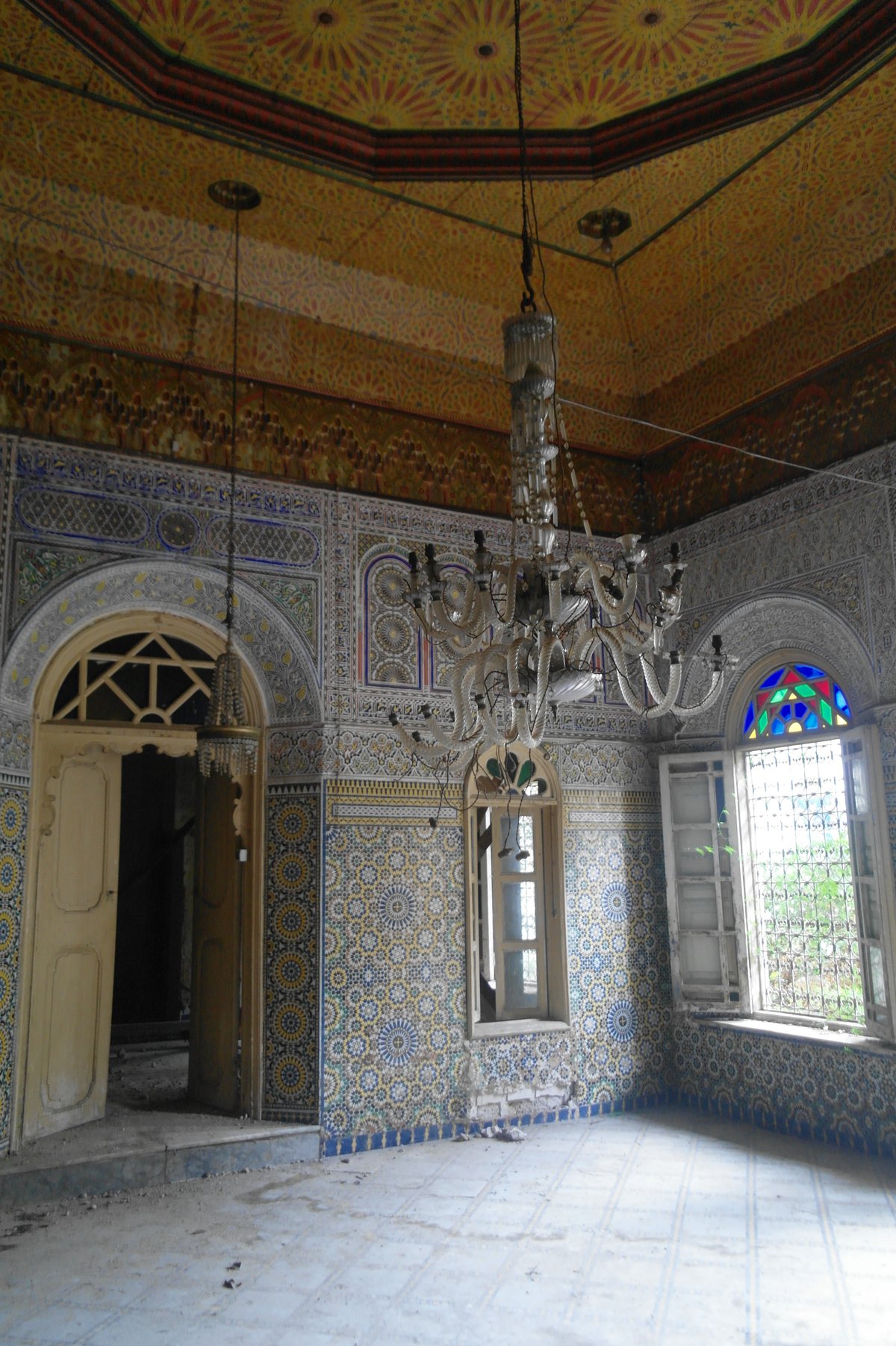
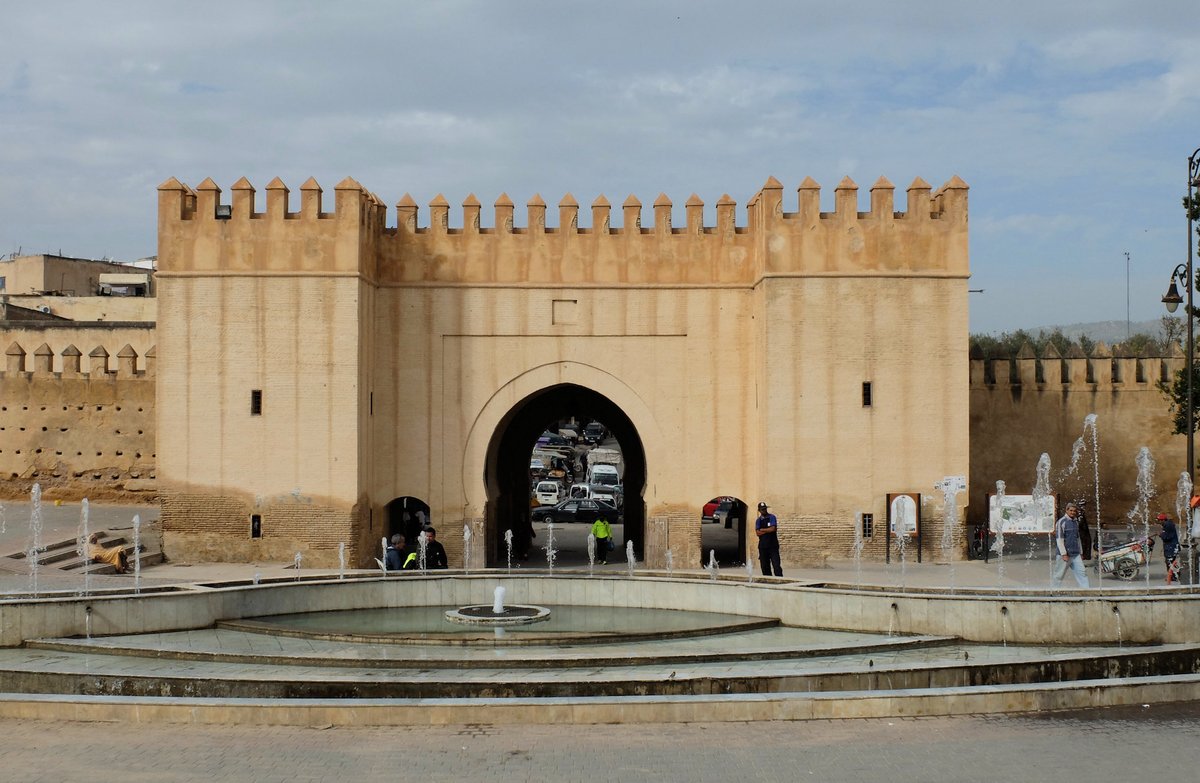
Written by Mutabor
Discuss this with the author and others
No comments yet. Be the first to start the conversation.