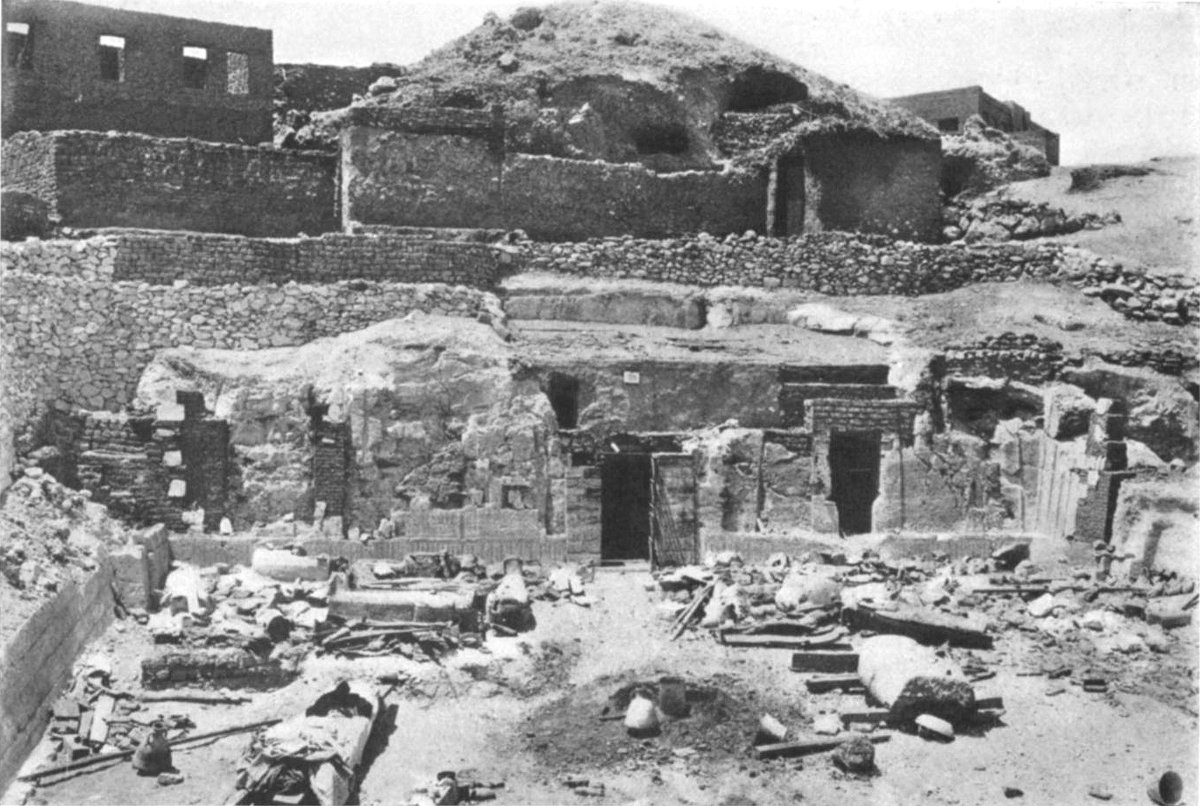

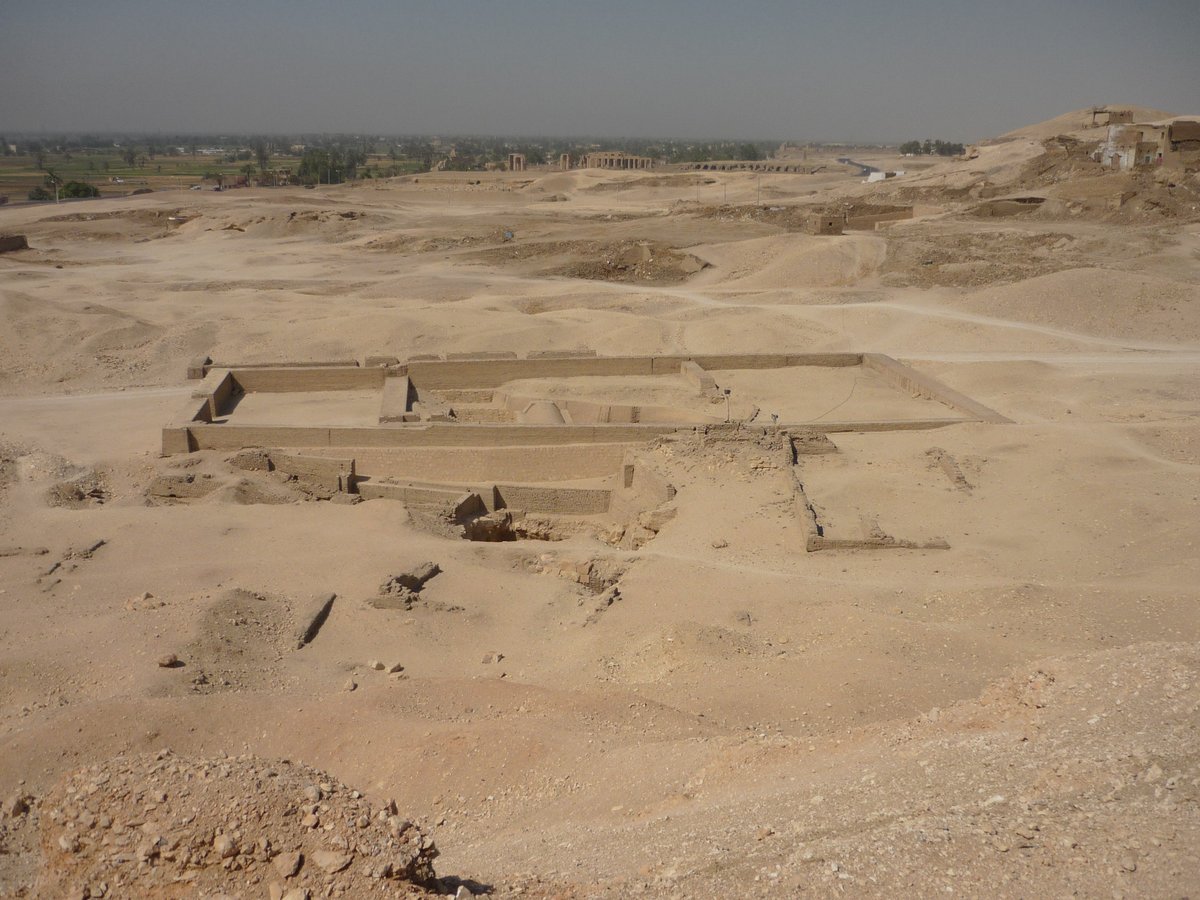
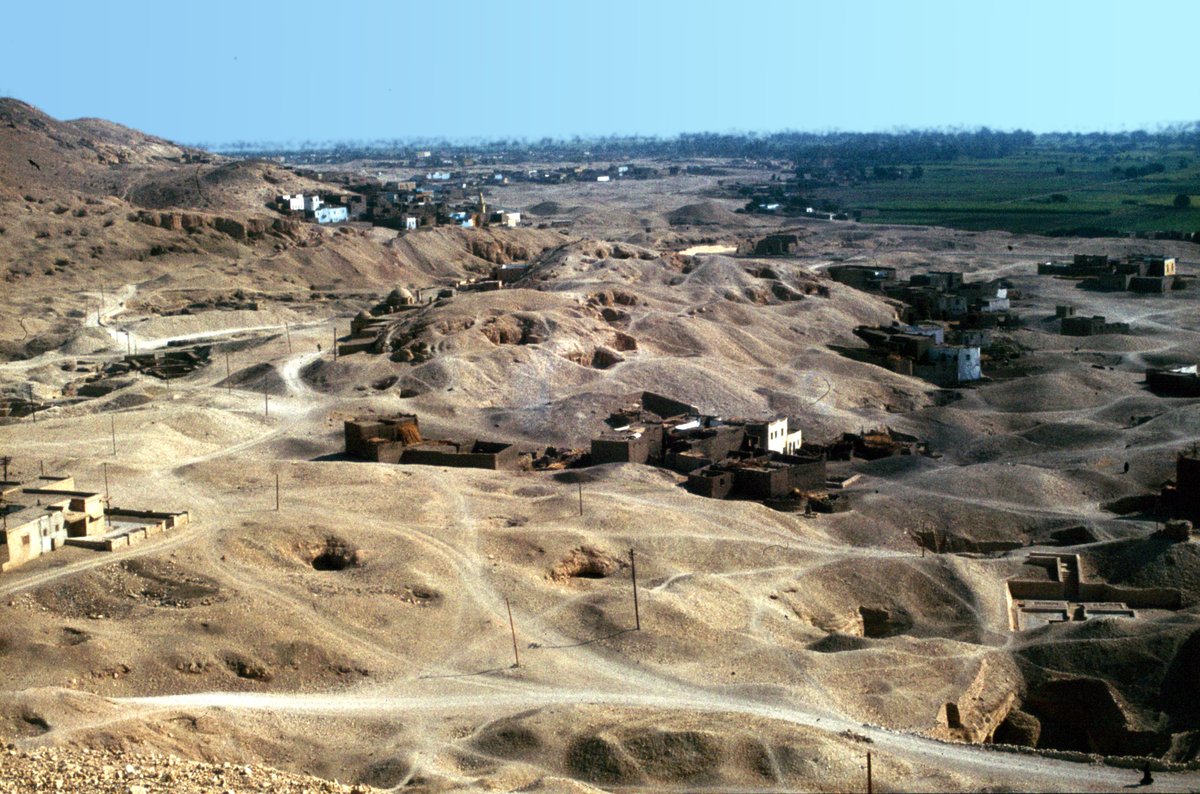
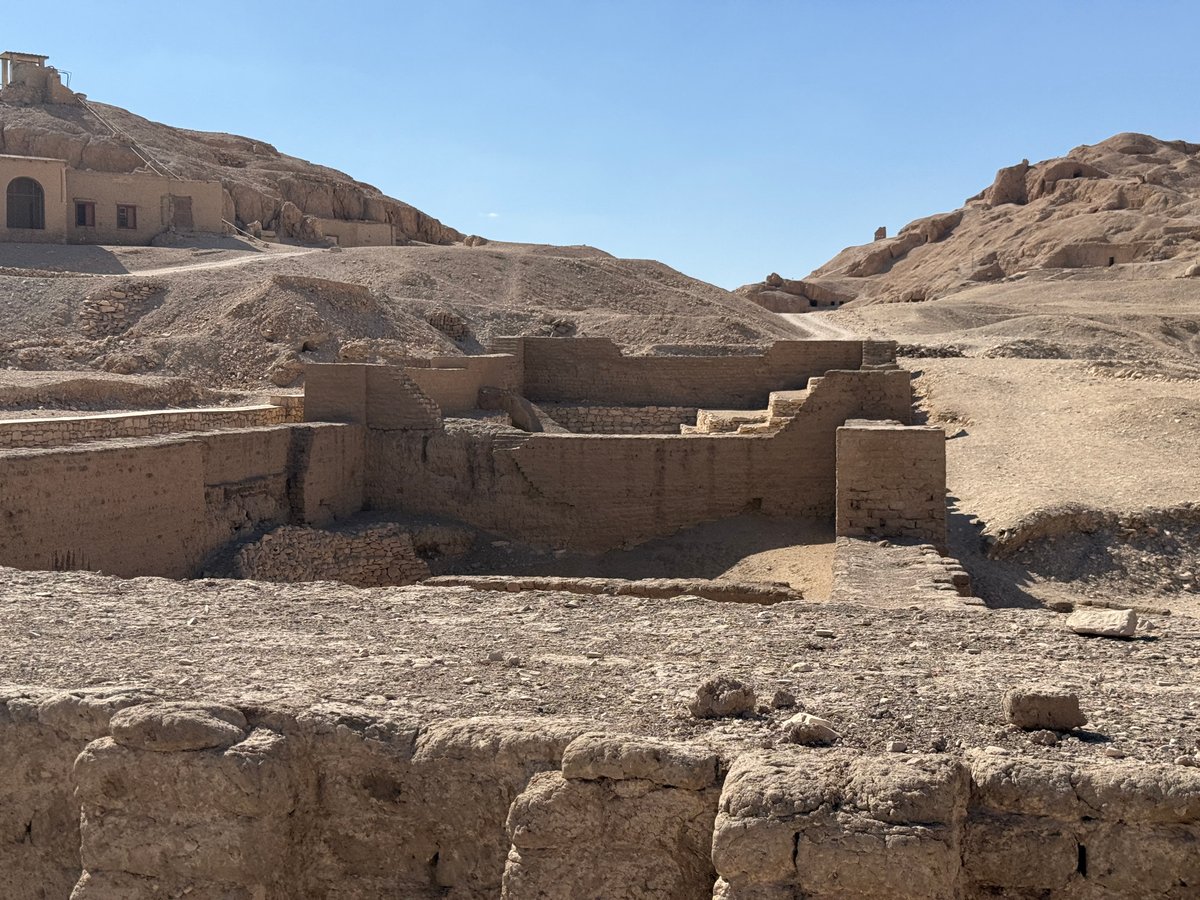
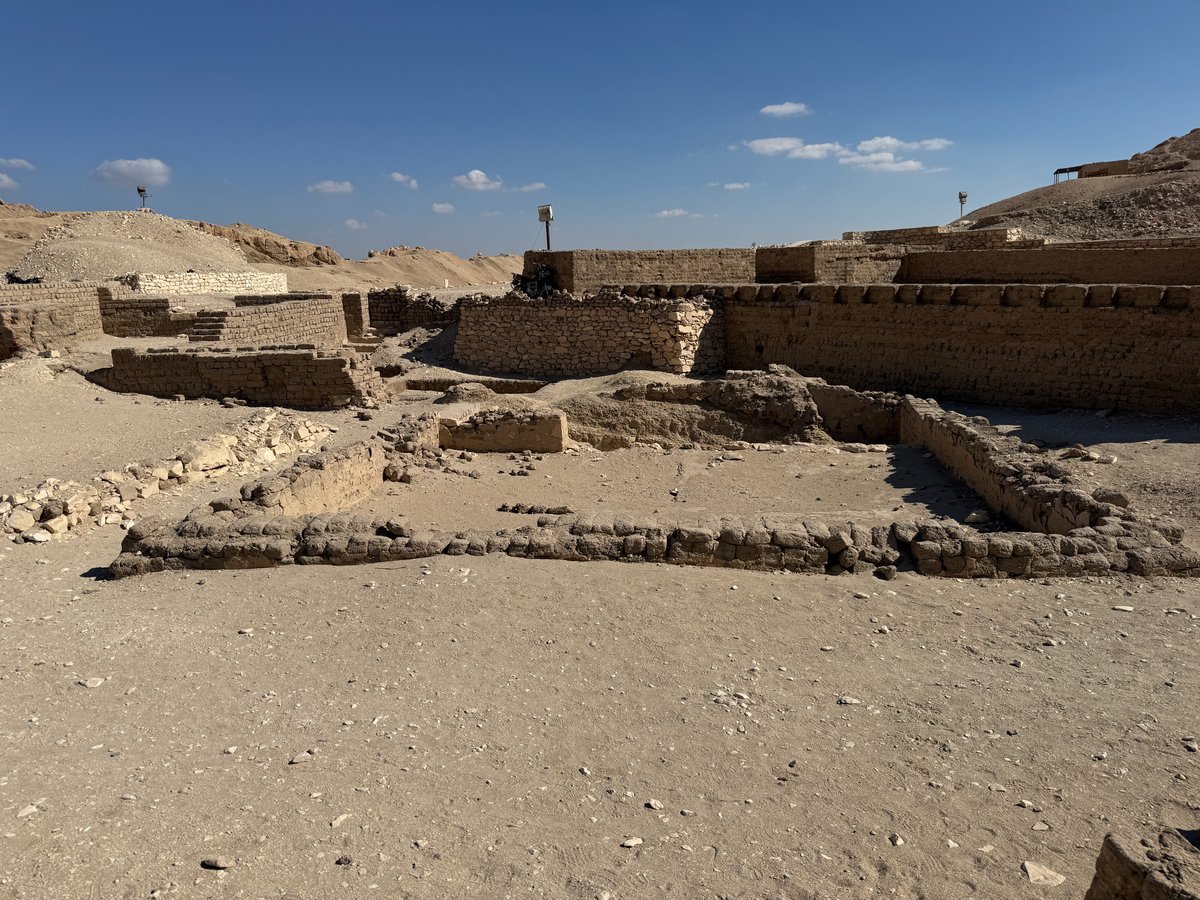
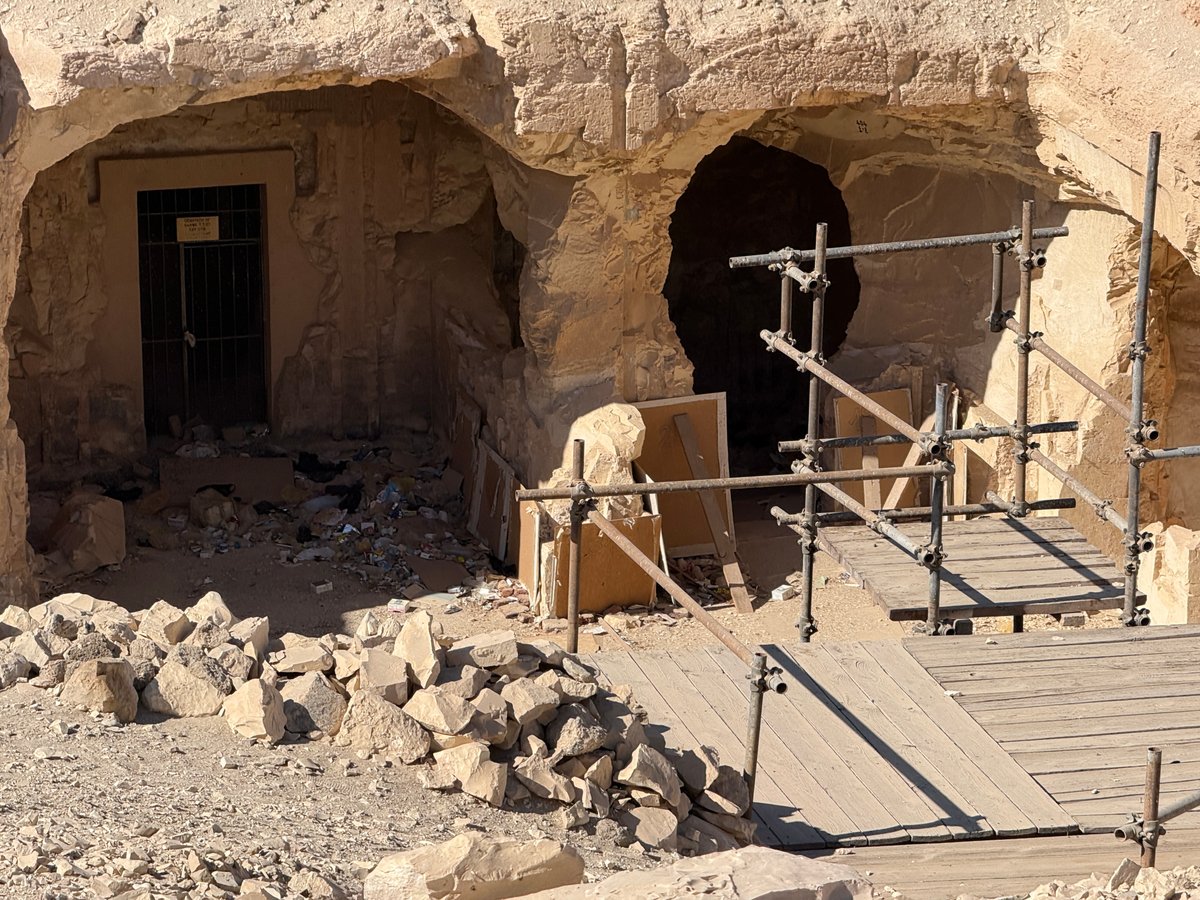
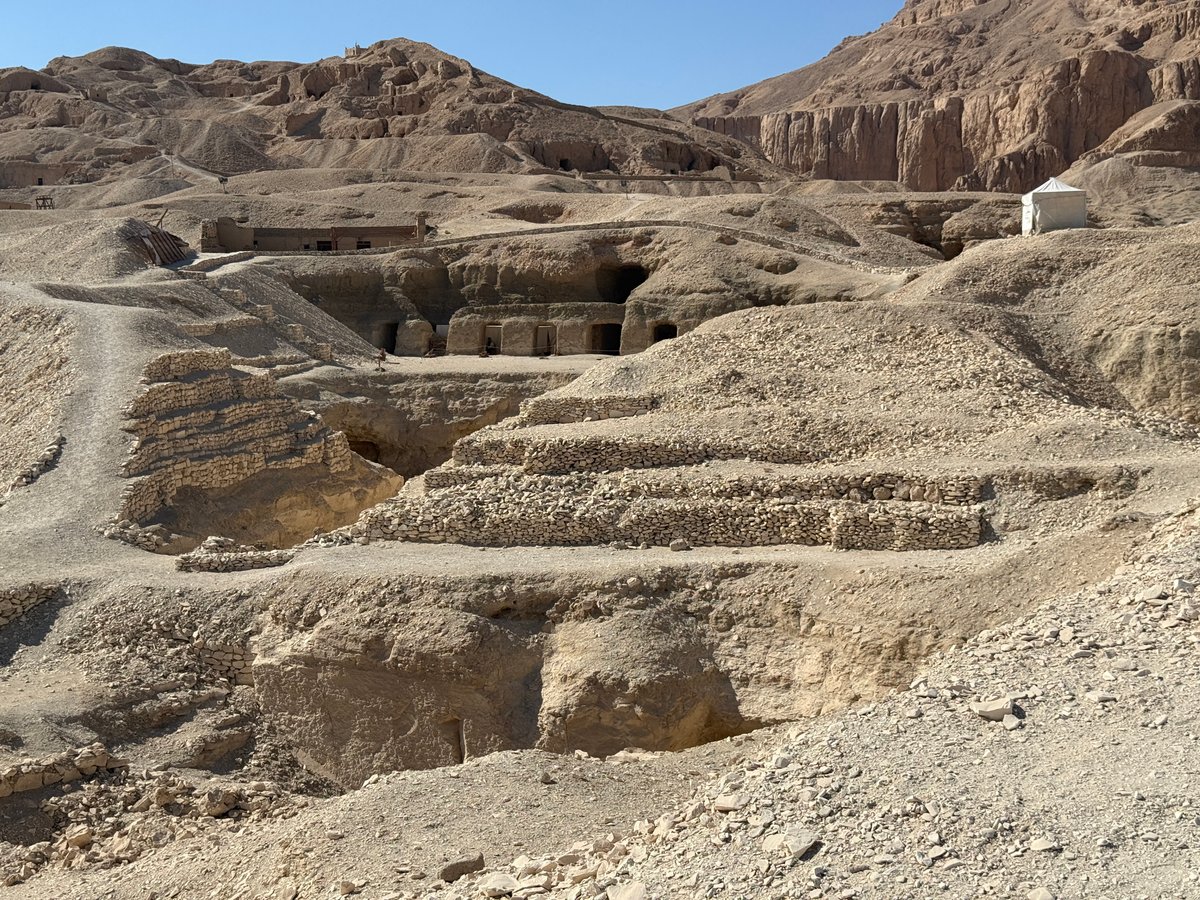
The Theban Tomb TT39 is located in El-Khokha, part of the Theban Necropolis, on the west bank of the Nile, opposite to Luxor. It is the burial place of the ancient Egyptian official, Puimre (or Puyemre). The tomb was excavated in the rock in the great cemetery on the western bank of the Nile at Thebes. Its current location is in a museum under the Tytus Fund.
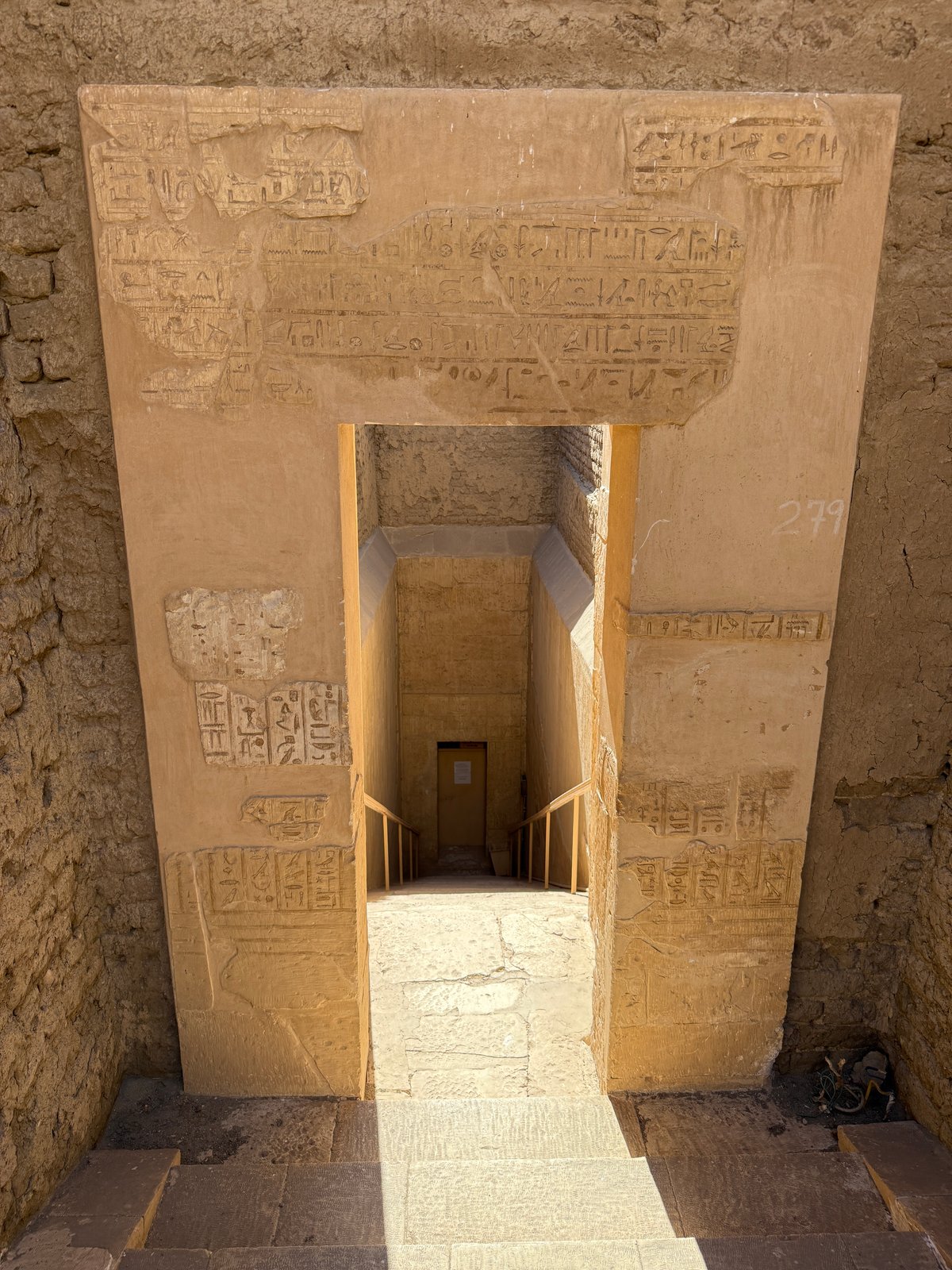
The architecture of this tomb with its columned portico and transverse hall leading to three chapels is unique. The portico contains eight stelae, six of which contain autobiographical texts. The hallway is decorated with scenes depicting gardens, workshops of the temple of Amun, and agricultural scenes. One scene depicts the recording of produce from Nubia for the treasury of Amun. Other scenes show a son offering a bouquet to Puyemre and his wife Senseneb, while in another scene Puyemre is accompanied by his wife Tanefert while inspecting produce. In yet another scene, Puyemre and Senseneb are shown inspecting other items including geese and fish.
In the south chapel, sons and daughters are shown offering new year gifts, with Senseneb depicted on one wall and Tanefert on the other. The tomb dates back to the New Kingdom during the reign of Thutmosis III. Puyemre was the second prophet of Amun and previously served as a second priest of Amon, responsible for Queen Hatshepsut for the construction of the outworks of her temple. His parents were Puia and Nerferioh, and he had two wives named Tanefert and Senseneb.
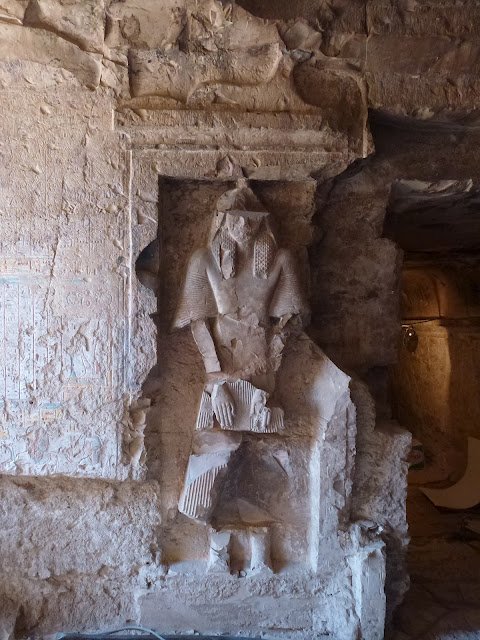
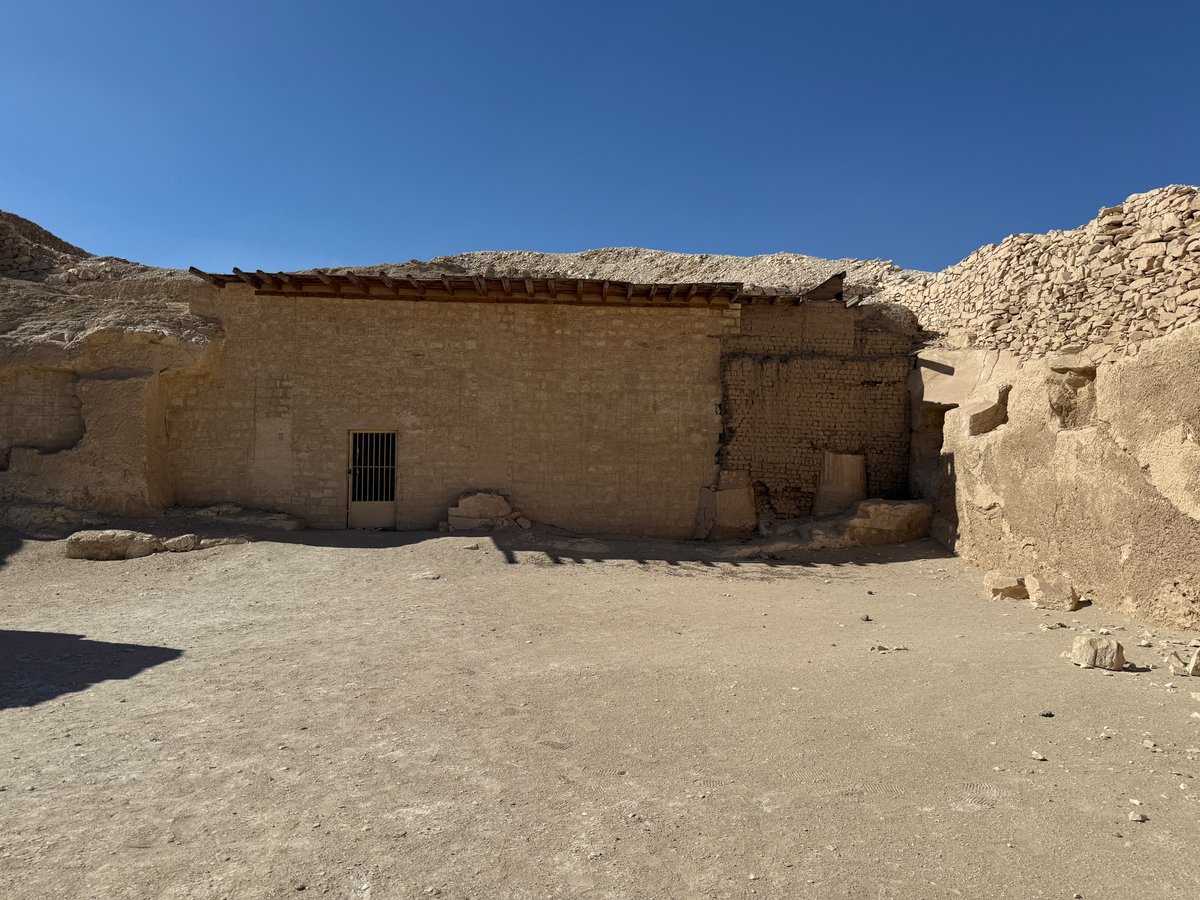
The portico of the tomb has been reconstructed due to its age. The south chapel, north chapel, and central chapel are all filled with decorations capturing different scenes. The north chapel contains funeral scenes and offering lists to Nefertem. The central chapel includes scenes of Hathor offering emblems to the deceased. These scenes highlight the importance of Puyemre's wives, who appear in almost every wall pictured doing various activities, including inspecting birds and fish, as well as scenes of vintage wine-jars and papyrus-harvest.
Sources: Wikipedia, OpenStreetMap, Wikidata, Wikimedia Commons
Written by Mutabor
Discuss this with the author and others
No comments yet. Be the first to start the conversation.