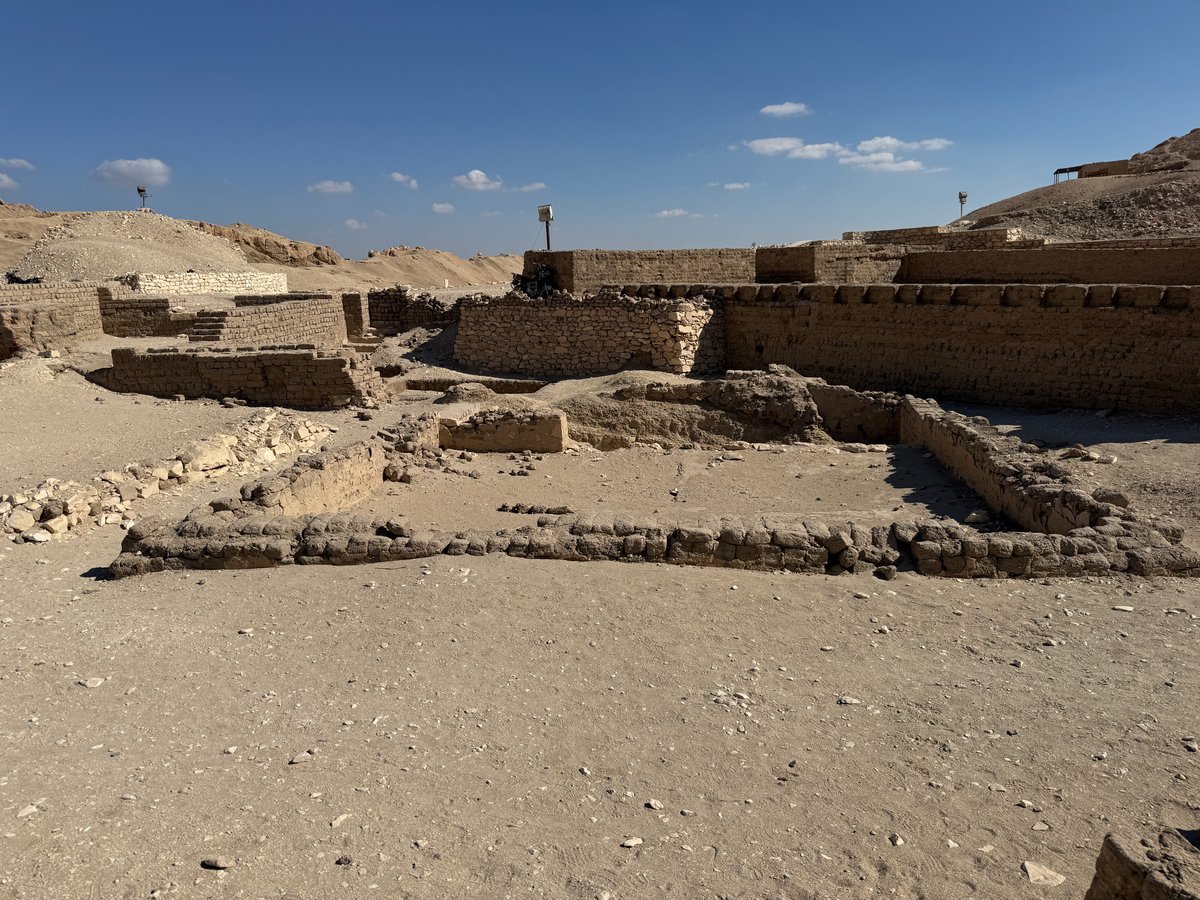

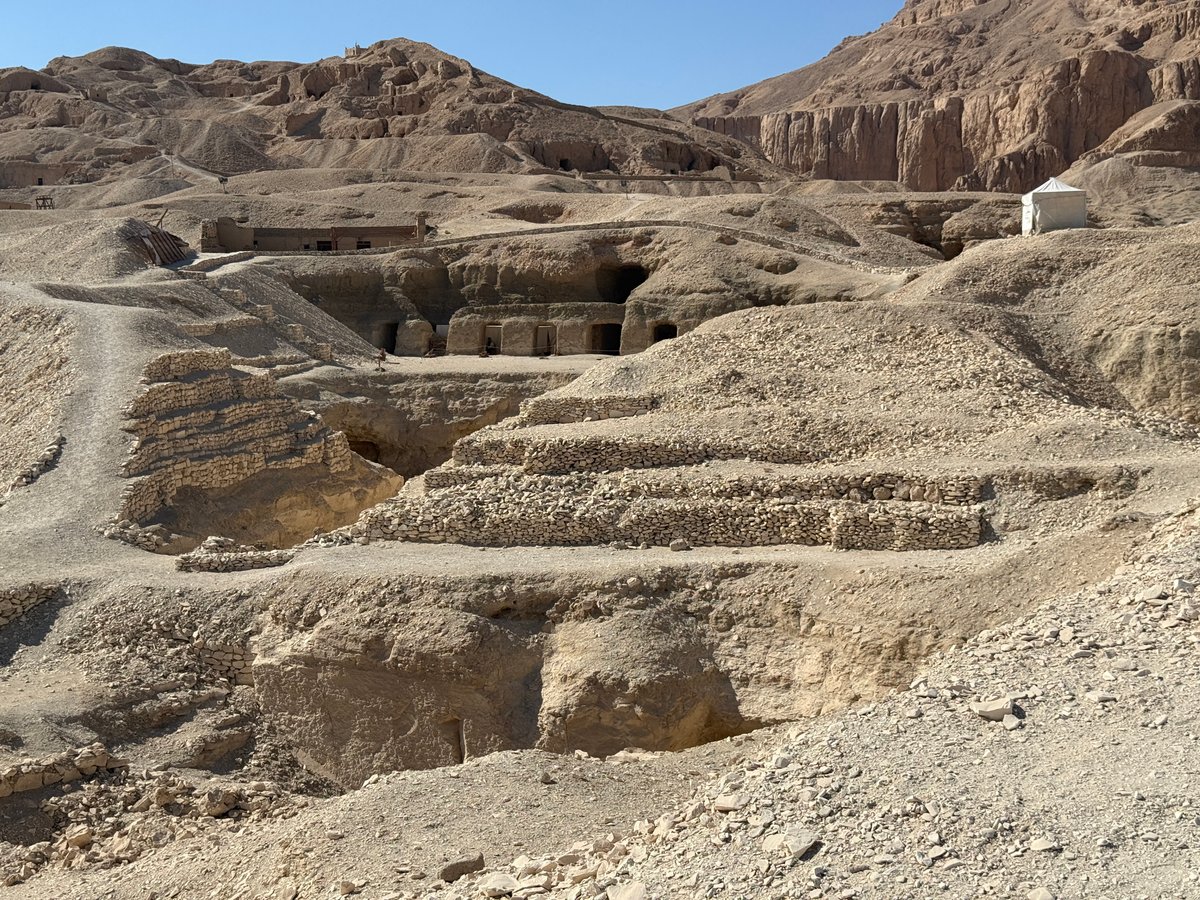
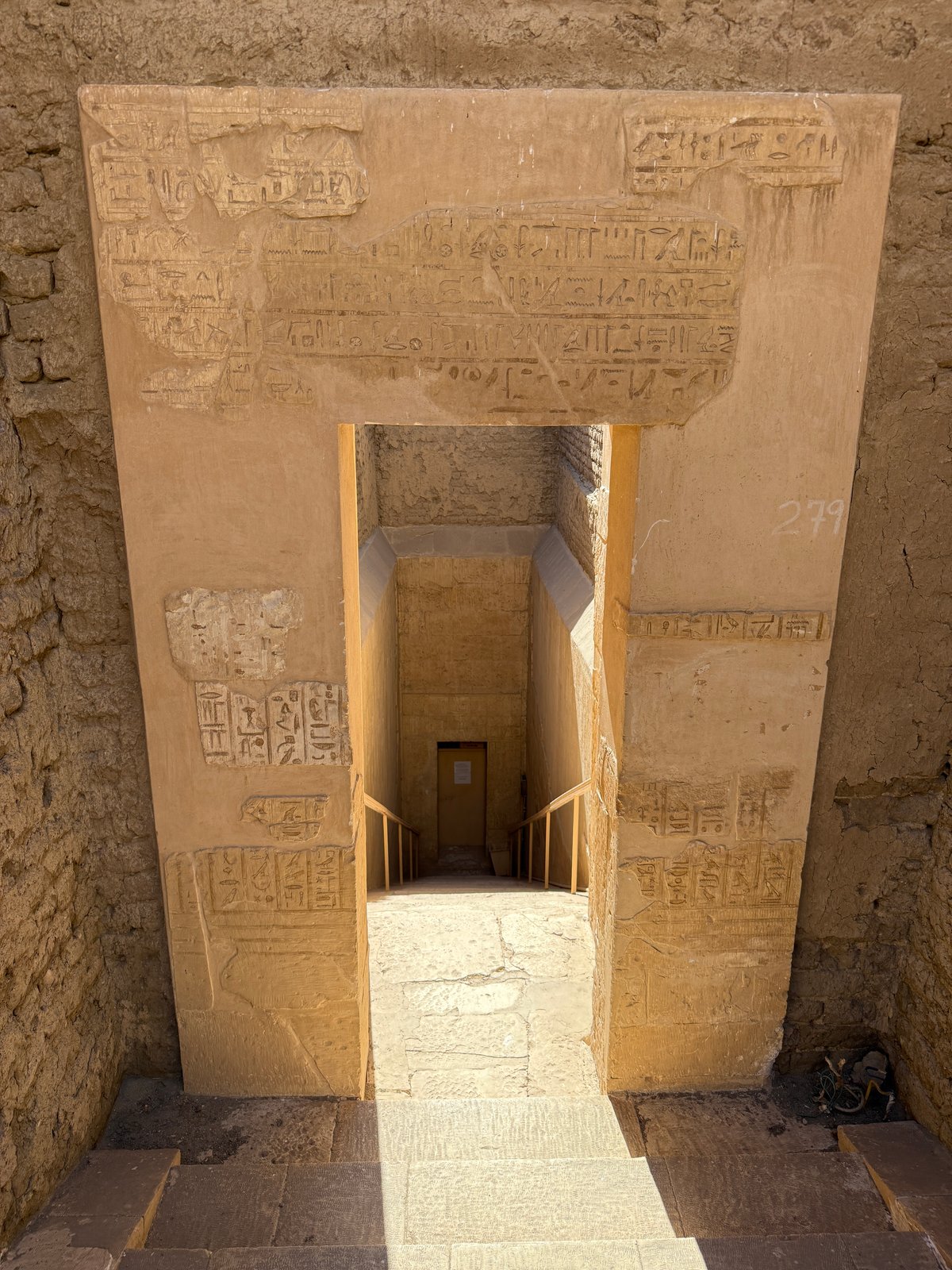
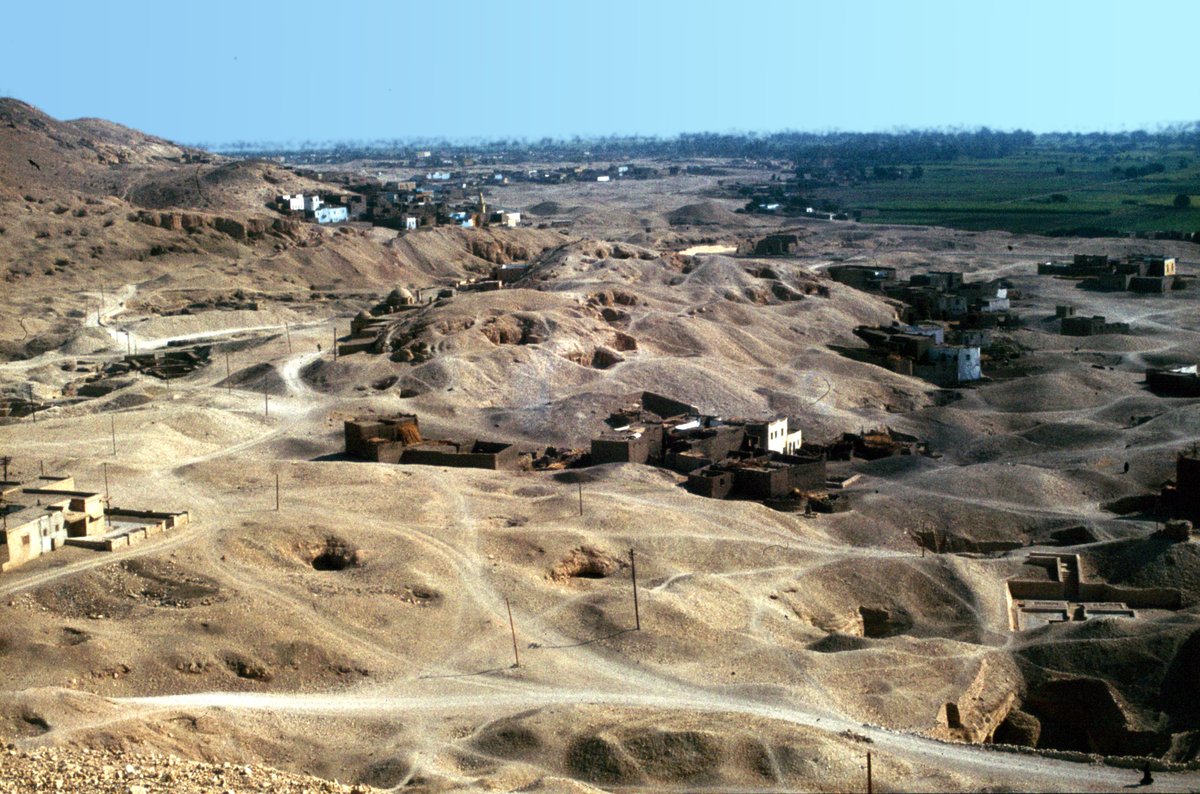
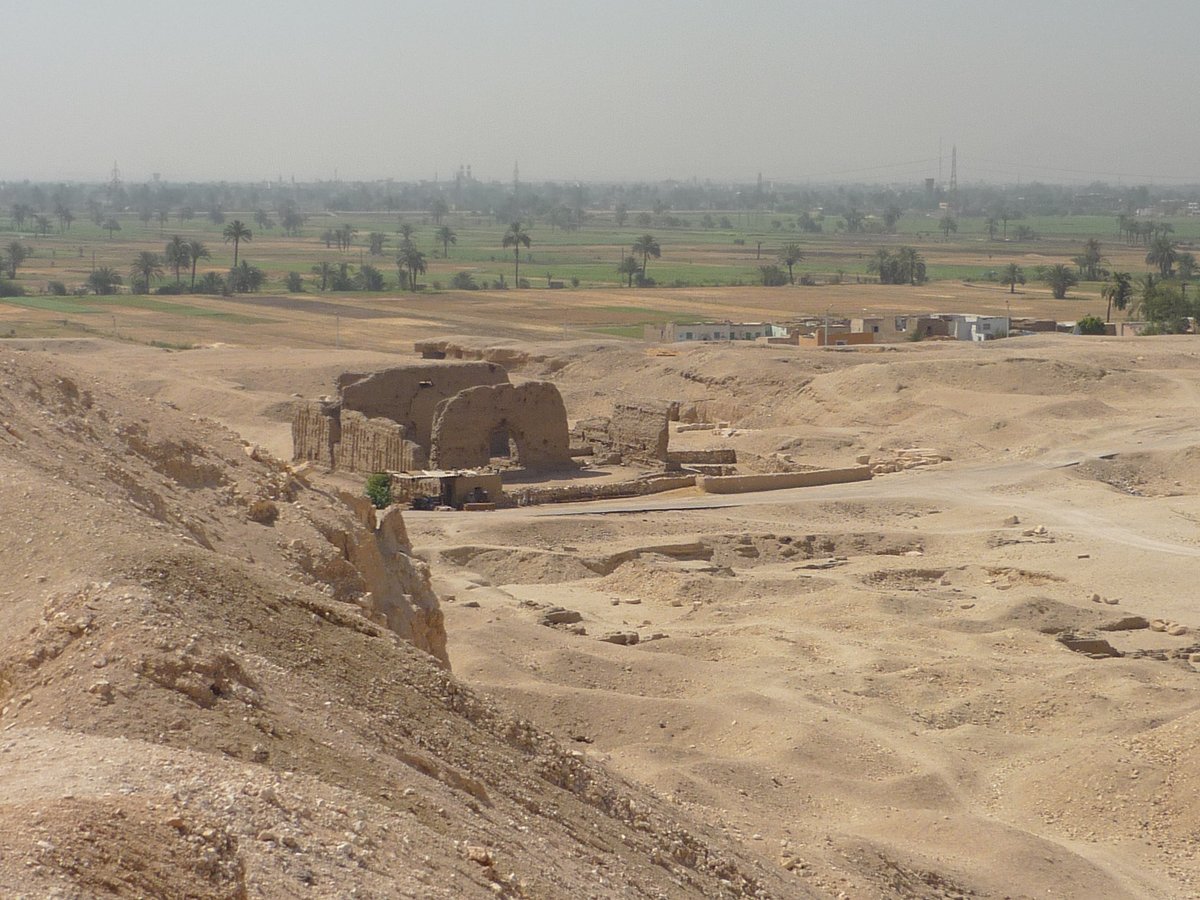
Nestled in the heart of El-Assasif, within the Theban Necropolis on the west bank of the Nile opposite Luxor, lies TT36. This was the burial place of the ancient Egyptian official Ibi, chief steward of Nitocris I, the Divine Adoratrice of Amun, during the reign of Psamtik I in the 26th Dynasty. His greywacke sarcophagus lid is now preserved in the Museo Egizio in Turin (Cat. 2202/01), having entered the museum through the purchase of the Bernardino Drovetti collection in 1824. The lid, finely carved in hard greywacke, reflects the high status of its owner.
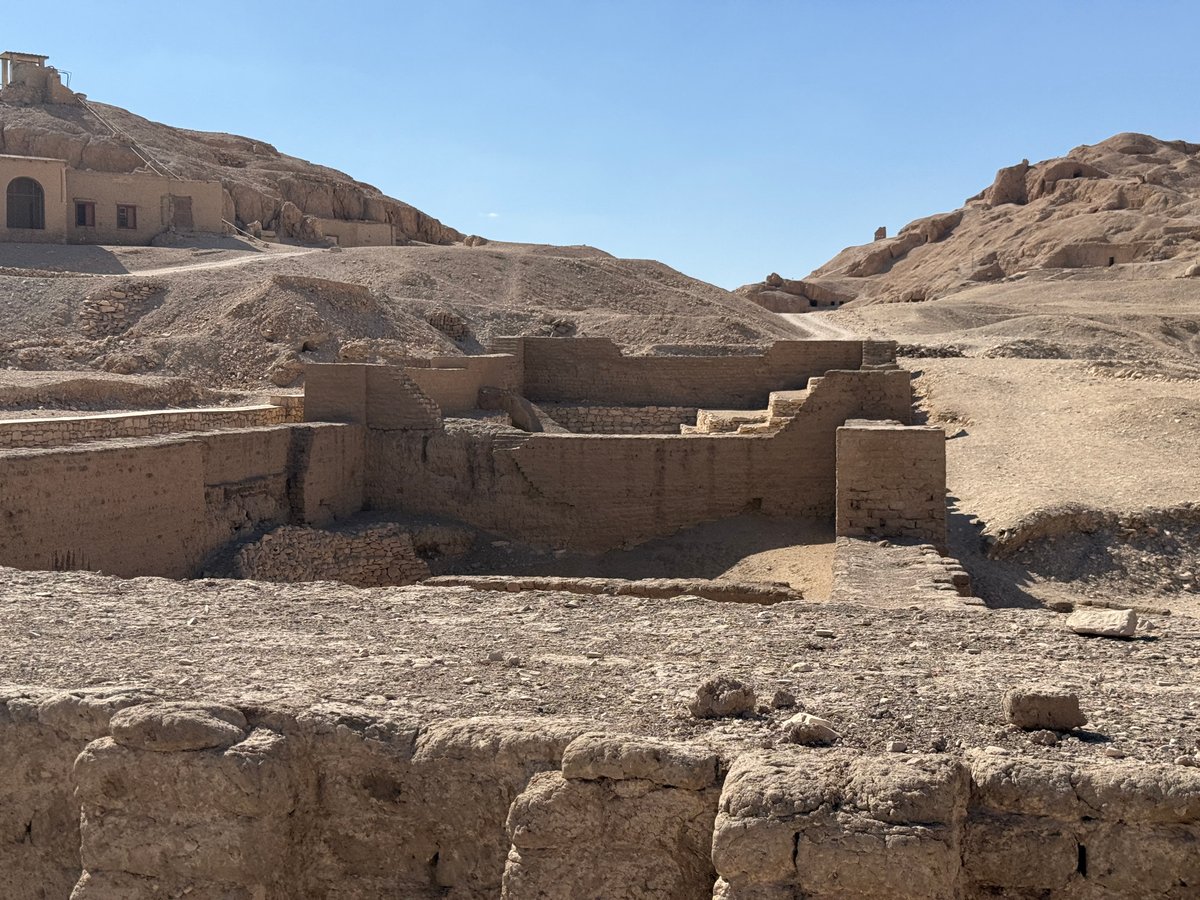
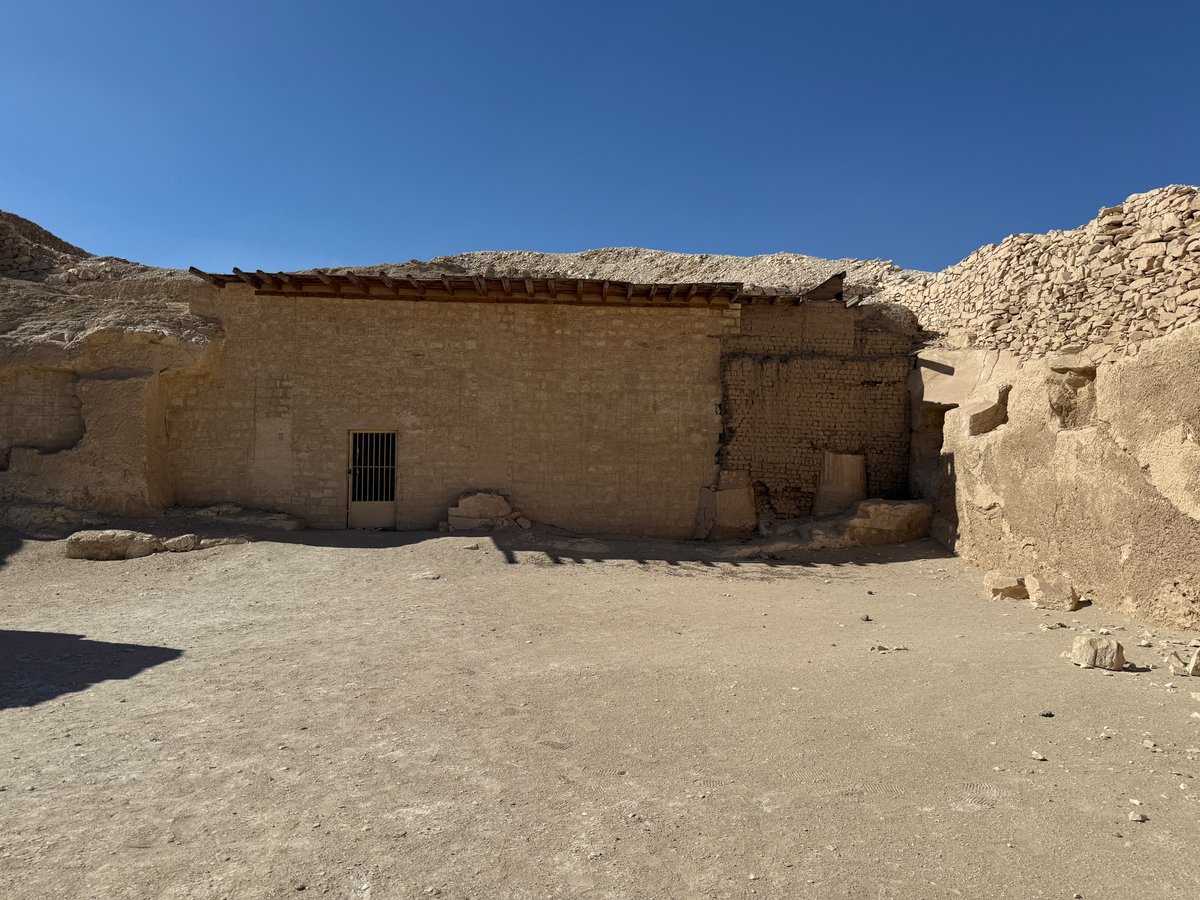
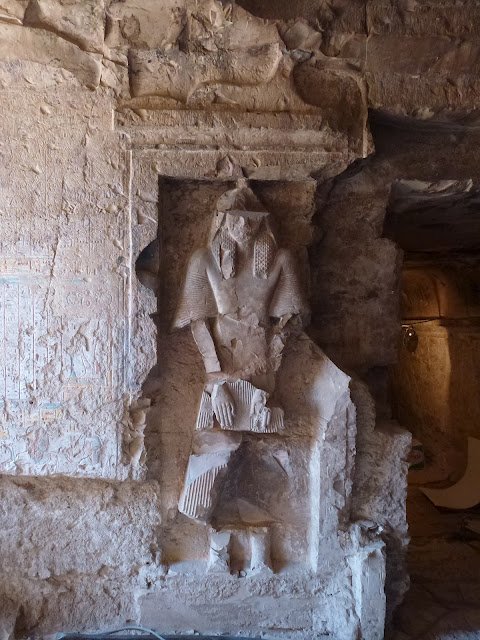
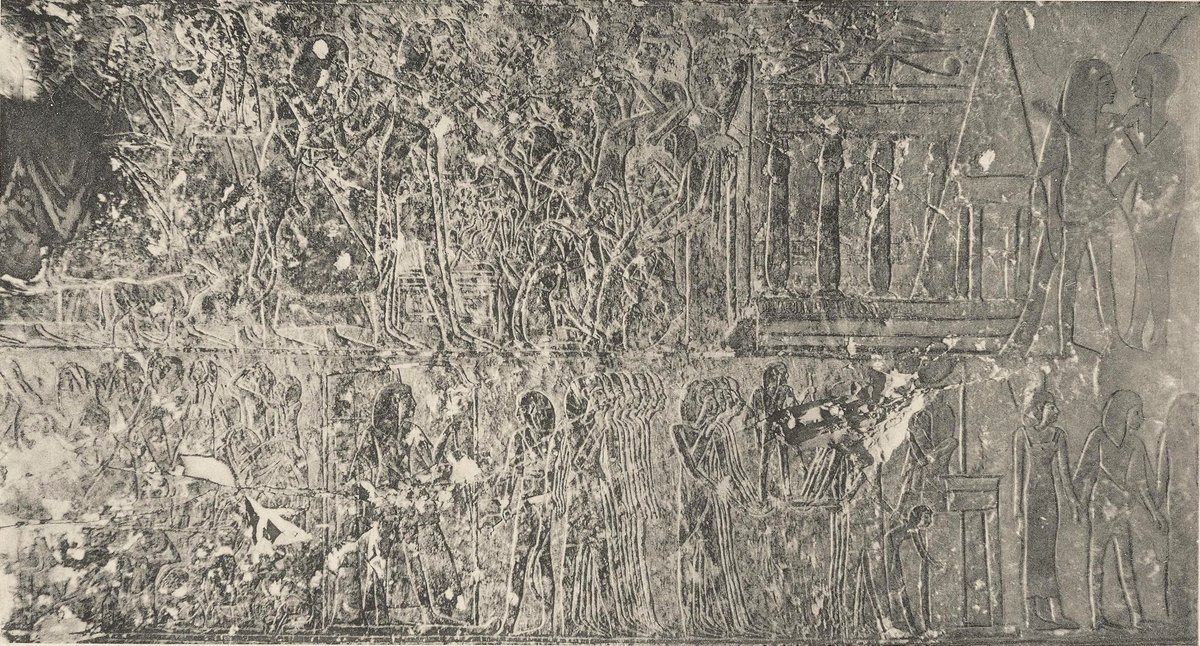
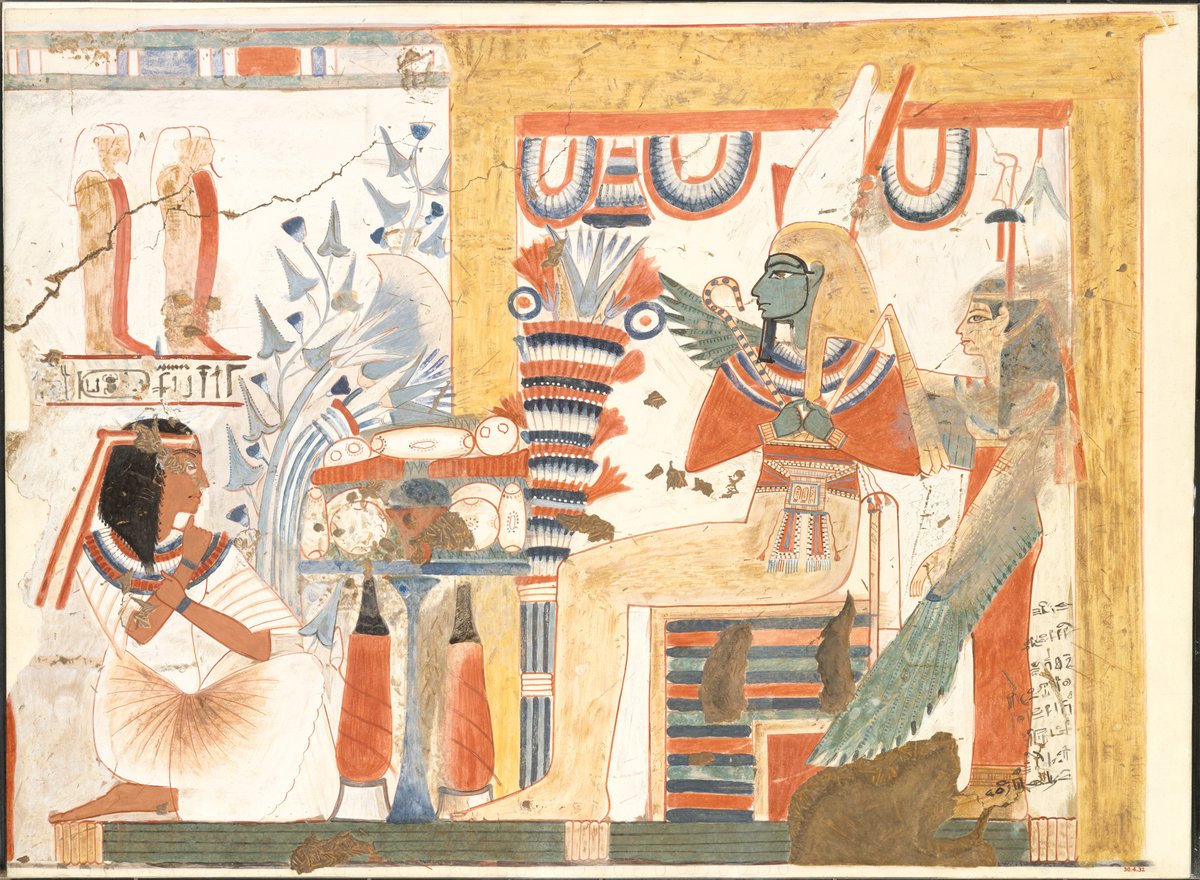
The tomb contains various scenes and registers. A corridor leads to an antechamber where walls depict Ibi overseeing craftsmen such as sandal-makers, sculptors, and boat-builders, as well as dancers and singers. Some scenes in TT36 reproduce scenes from the rock-cut tomb of another Ibi, a nomarch of the 6th Dynasty buried at Deir el-Gabrawi, which reappeared in the Theban tomb about 1,600 years later. Several doorways lead to additional burial chambers whose decoration shows that TT36 was reused in the Ptolemaic period.
Ibi was the son of Ankh-hor and De-Ubasteiri, also called Teiri. His wife was Shepenernute, and their sons included Padihorresnet, who became chief steward of Amun. As chief steward of Nitocris I, Ibi administered her estate. The sarcophagus lid measures 26 × 62.5 × 195 cm and is dated to the reign of Psamtik I (664–610 BCE). While it was once located in the tomb, it now resides in Turin as a significant artifact of the 26th Dynasty.
Sources: Wikipedia, OpenStreetMap, Wikidata, Wikimedia Commons
Written by Mutabor
Discuss this with the author and others
No comments yet. Be the first to start the conversation.