
Situated in the hamlet of Las Vegas de San Antonio, Spain, the Mausoleo de Las Vegas is a unique archaeological site that is a testament to the rich history of the region. This monumental tomb, built in the late Roman era around the 4th century AD, stands out for its location in the western part of the empire, a region influenced by both Eastern and Italian cultures. Even though the Mausoleo de Las Vegas has survived through the Visigothic, Islamic, and Christian medieval periods, its original structure remains largely intact.
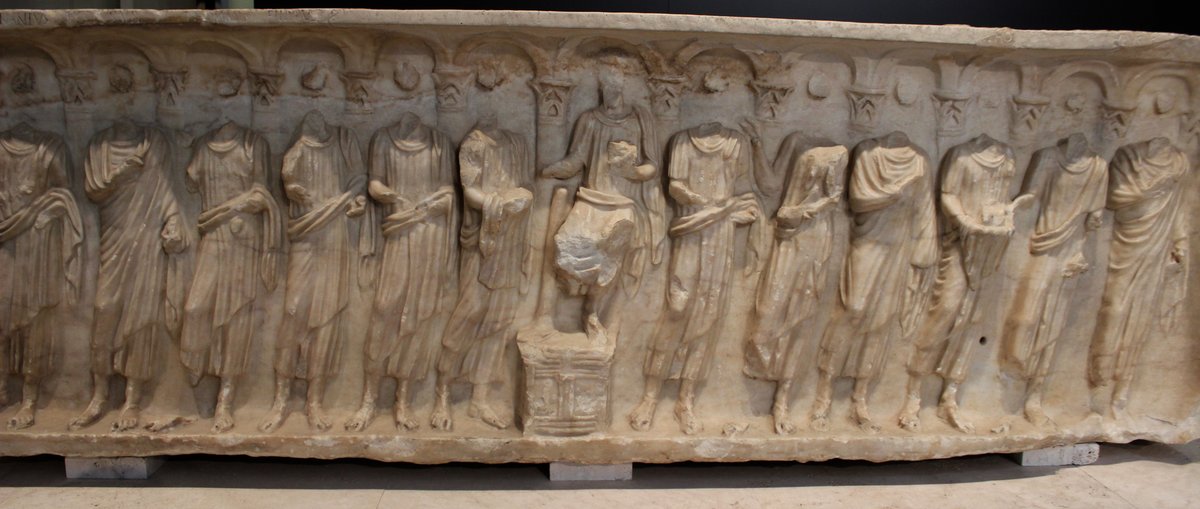
It is associated with a necropolis due to the existence of residential structures built after its construction and a series of burials of both children and adults outside. The mausoleum structure is built with 'opus caementicium', while the crypt is constructed with granite blocks and a vault of bricks with stucco interior. The mausoleum was originally covered with marble fragments. Three sarcophagus were found in the mausoleum, one of which is the 'Sarcófago de los Apóstoles' (pertaining to the era of Emperor Theodosius), currently displayed in the Museo Arqueológico Nacional. Two other sarcophagus made of granite from the Mausoleo de Las Vegas are missing.
Sources: Wikipedia, OpenStreetMap, Wikidata, Wikimedia Commons
Written by Nik Frost
Discuss this with the author and others
No comments yet. Be the first to start the conversation.