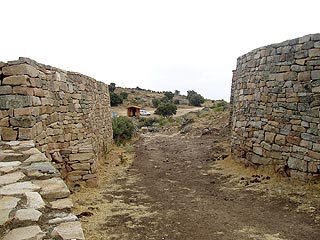

Why did the Vettones carve stone bovine statues called verracos? These statues were situated on pasture lands, and while their exact usage remains unclear, they are a primary characteristic of the Cogotas II culture. They appear as a distinct part of the material culture of a people who lived in the central and western parts of the Iberian Peninsula.
Cattle husbandry played an important role in the life of the Vettones, who were most probably of Celtic origin. They occupied the region during the early first millennium BC, establishing a settlement that was divided into several functional districts. These areas included a necropolis and several cattle enclosures, reflecting the central role of livestock in their society.
Before the Vettones arrived, the region saw the rise and fall of the Cogotas I culture. While the Protocogotas culture existed earlier, around 1700-1550 BC, it was Cogotas I that produced characteristic black ceramics with incised geometric motifs. These vessels were relatively small, flat-based, and rough, likely used as kitchen ware before the culture disappeared around 1000 BC.
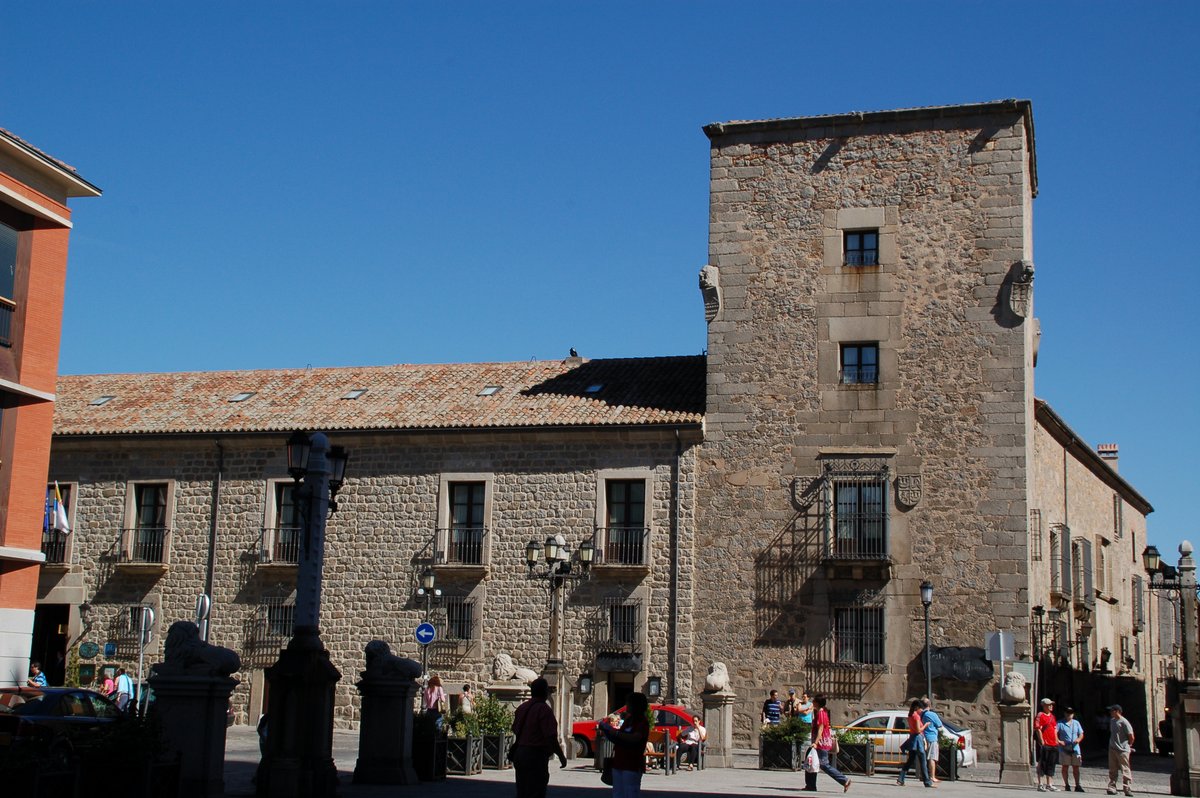
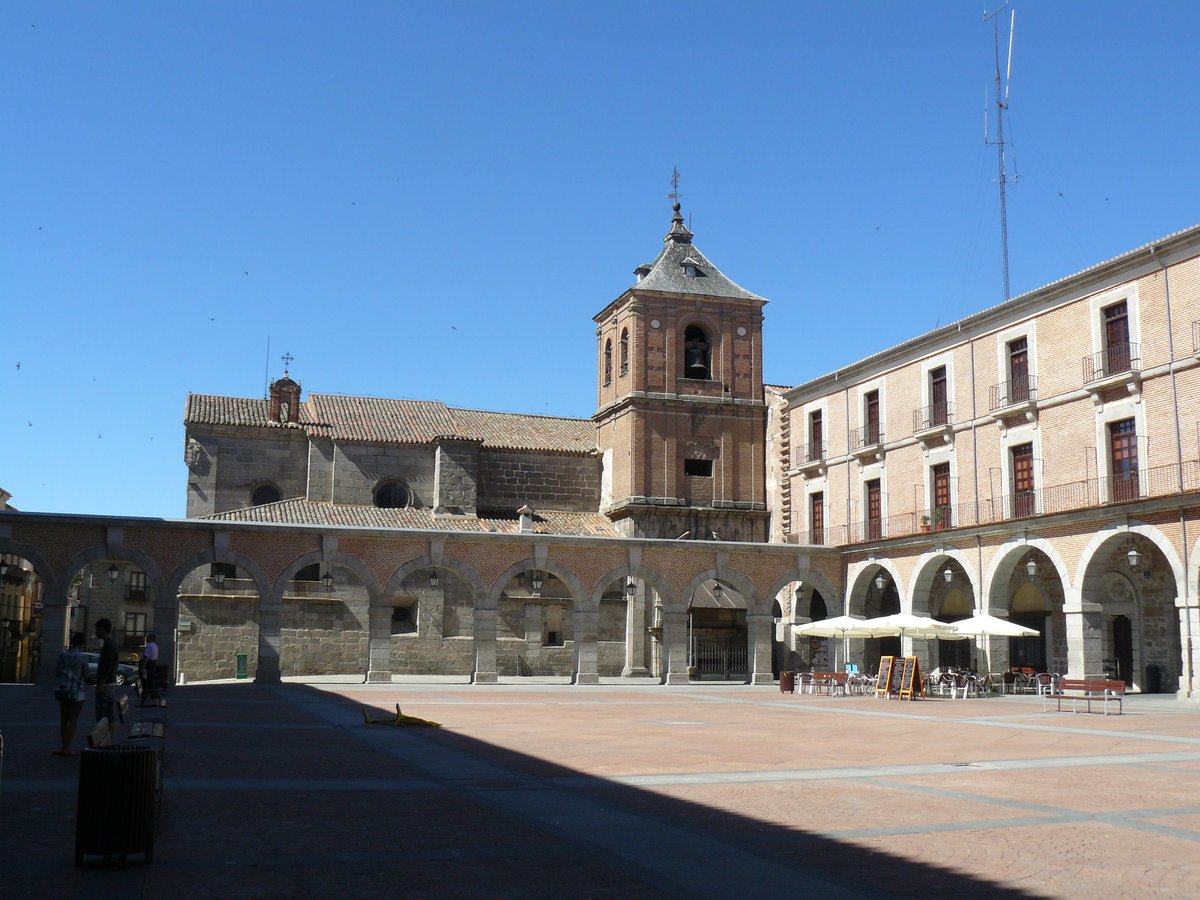
Today, the Castro de Las Cogotas stands as an archaeological site in the province of Avila. Researched by Juan Cabré in the 1920s, it represents a classical settlement of the Vettones and provides insight into the transition from earlier prehistoric cultures to the organized settlements of the Iron Age.
Sources: Wikipedia, OpenStreetMap, Wikidata, Wikimedia Commons
Written by Nicolo Ciampini
Discuss this with the author and others
No comments yet. Be the first to start the conversation.