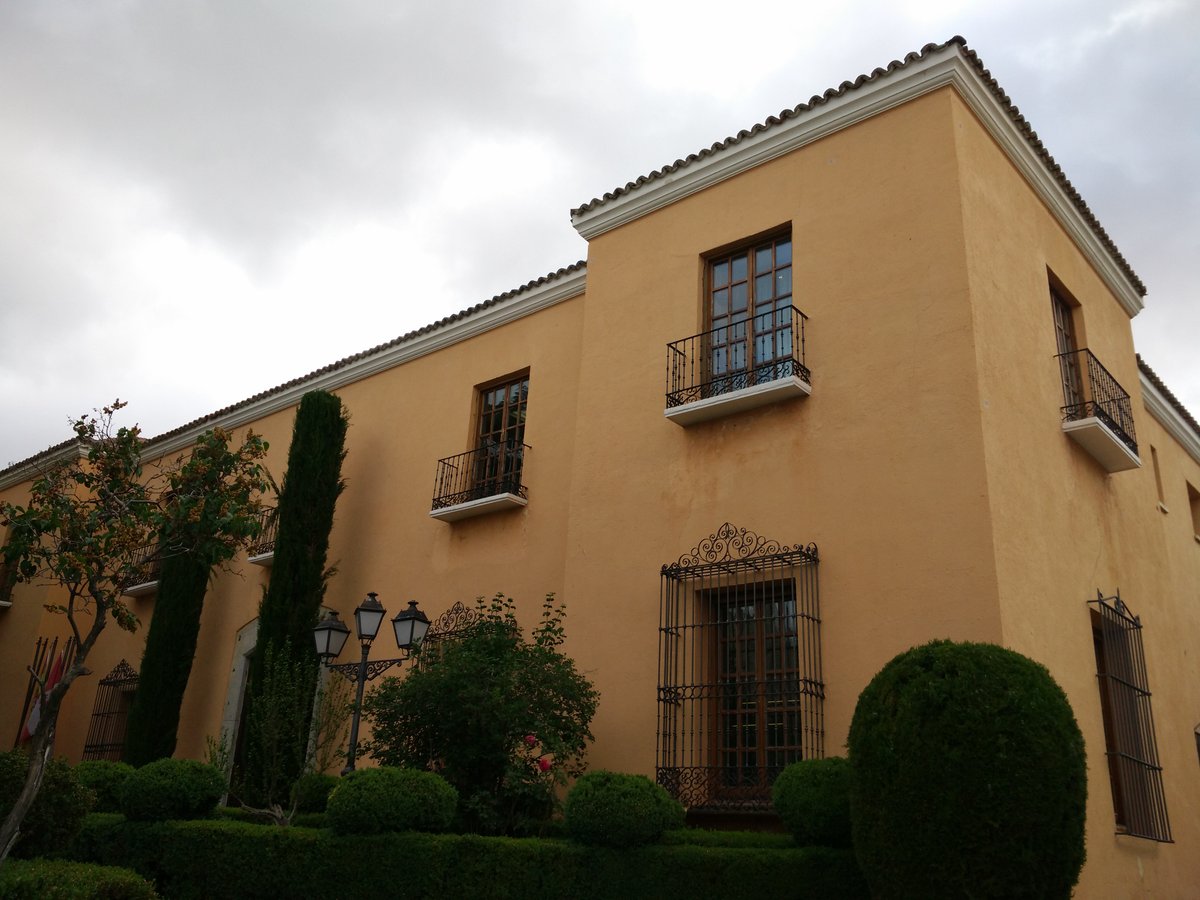

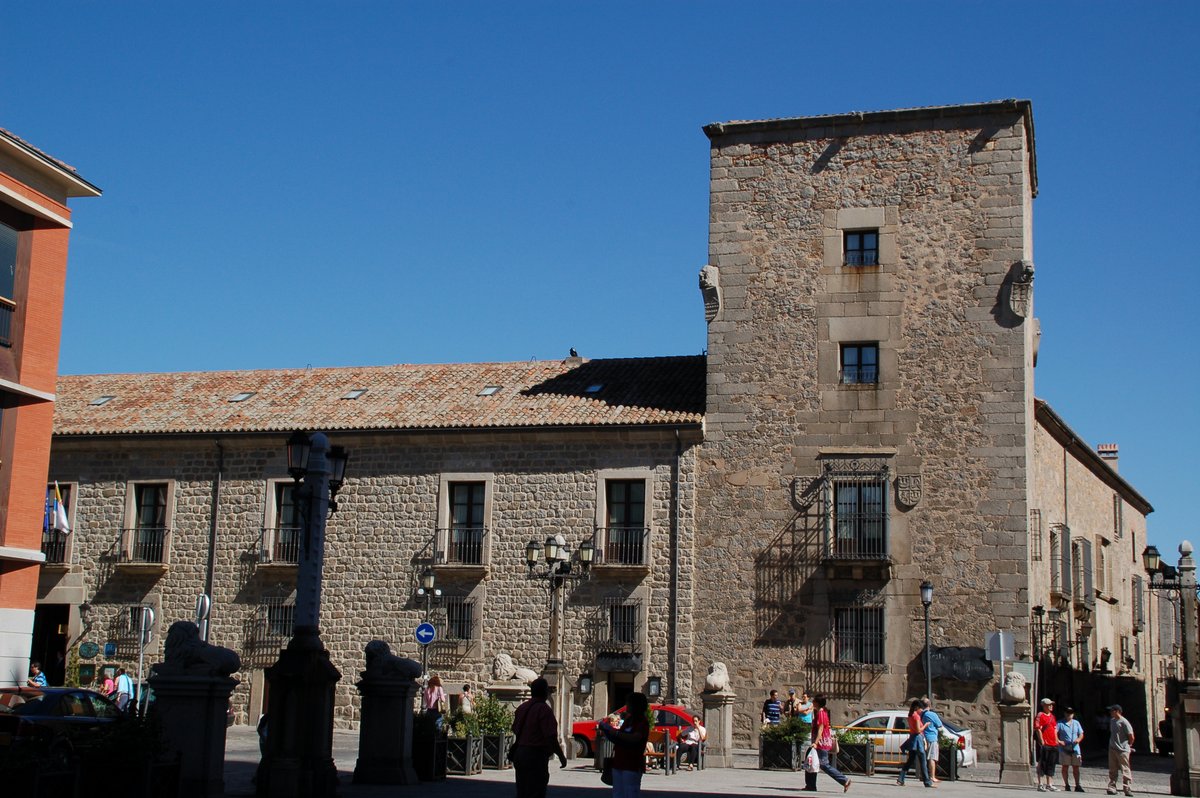
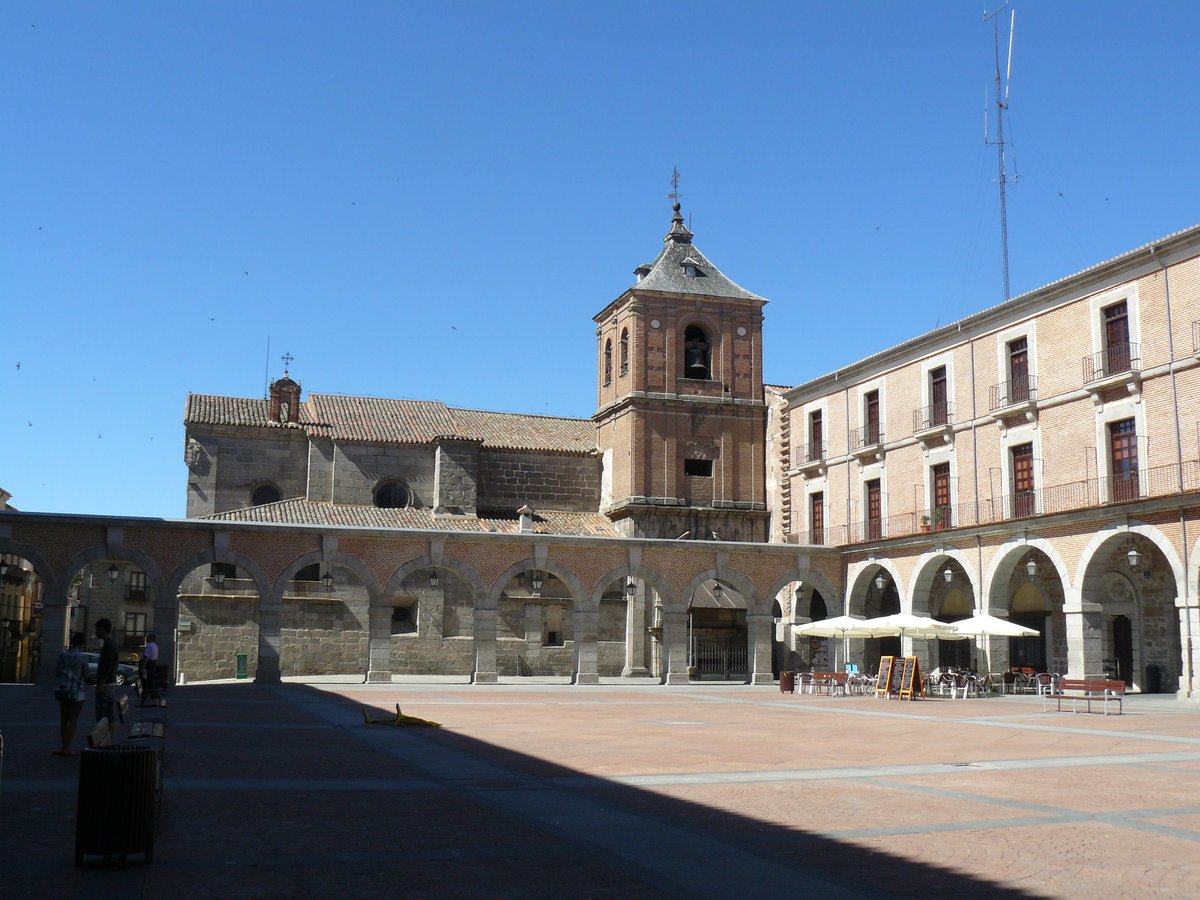
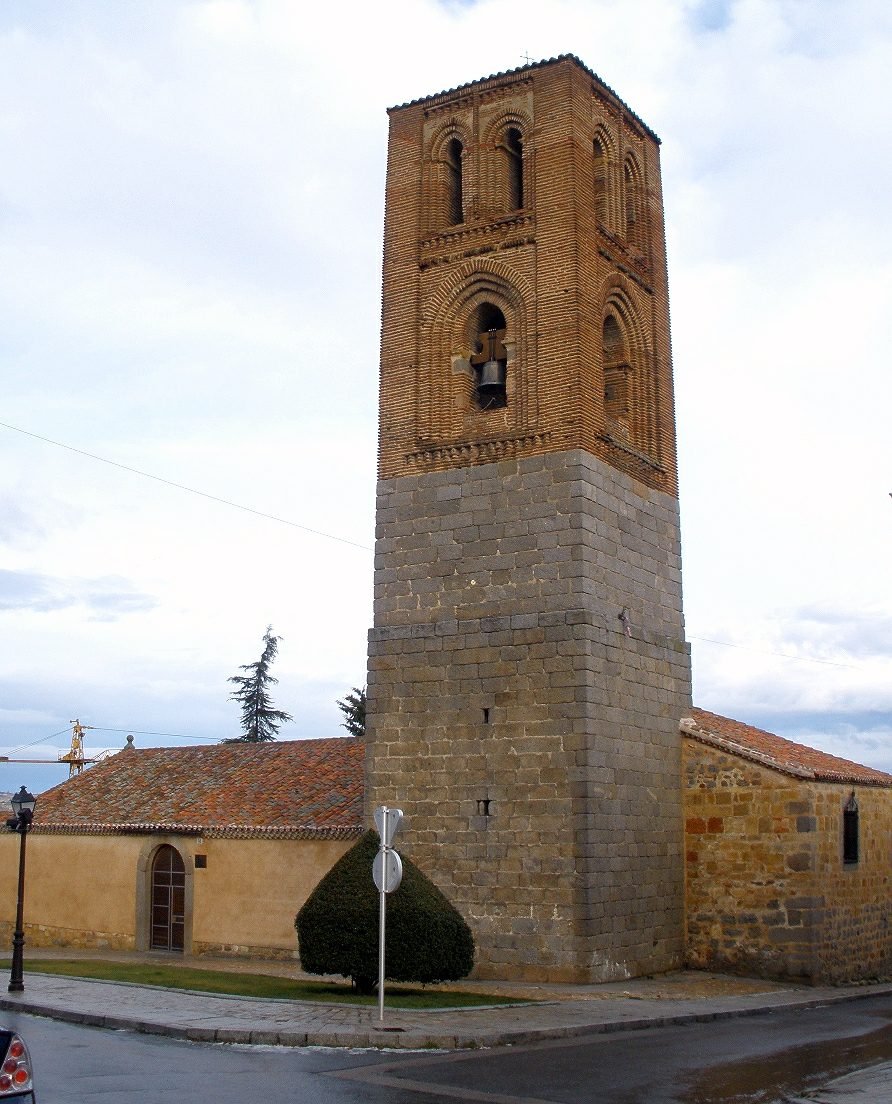
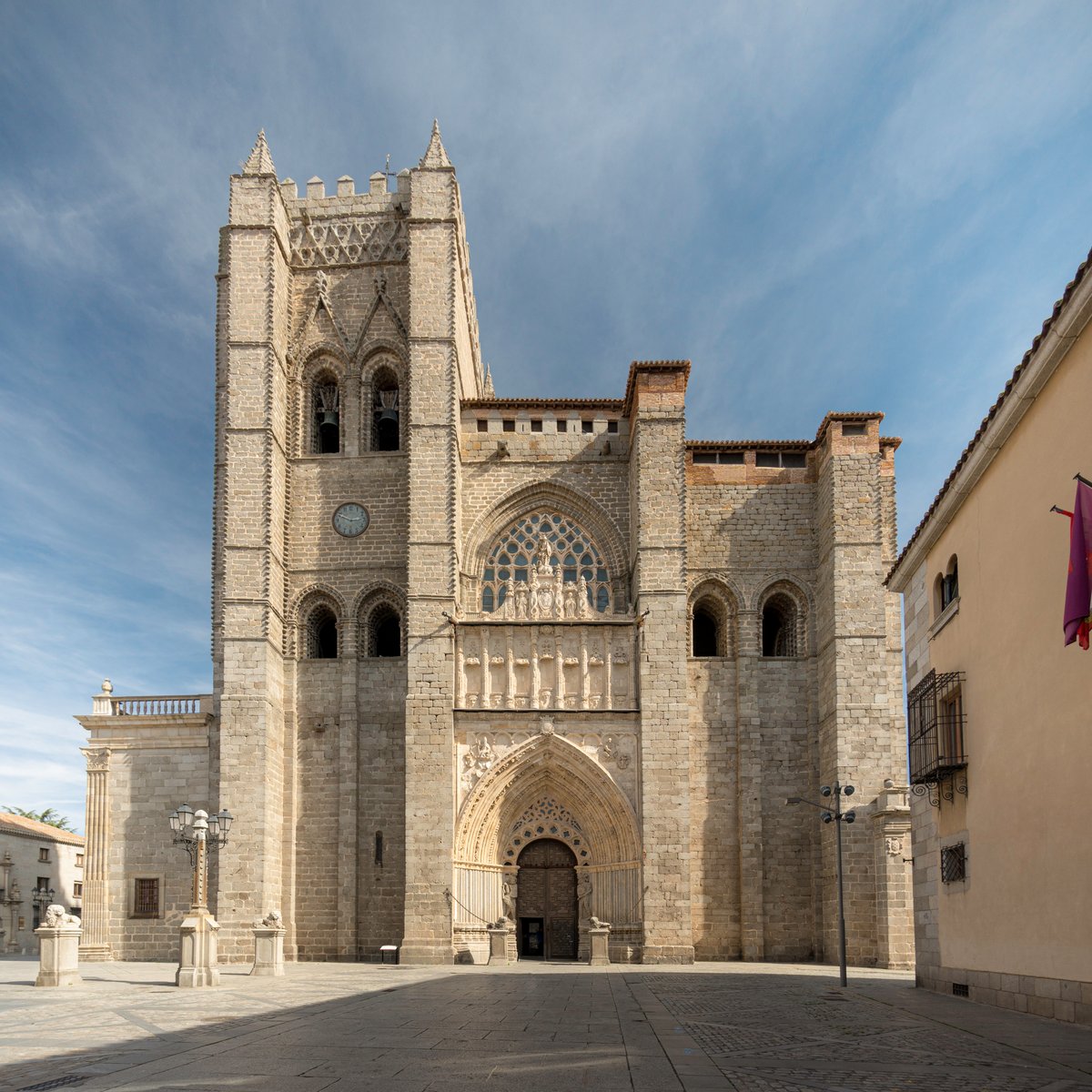
The Palacio de Bracamonte, also known as Palacio de la Santa Cruz or Casa de Diego Álvarez de Bracamonte, is a historic manor in the city of Ávila. It originally belonged to the House of Dávila, one of the most noble Castilian lineages. The first construction dates back to the 15th century, commissioned by Álvaro Dávila, who held the rank of mariscal de Castilla. Because of his rank, the palace should technically be called the palace of the mariscal de Castilla. The building was originally a defensive structure integrated into the city walls, defending the gates. As a result, the wall gate to which the palace is adjacent bears the name PUERTA DE MARISCAL.
The name Bracamonte comes from Álvaro Dávila's marriage to the daughter of the first Bracamonte. A second owner ordered a reconstruction starting in 1510 that lasted until 1597 due to various complications. The building remained inhabited by the Bracamonte family from the 16th through the 18th centuries. In the 19th century, it remained closed until the beginning of the 20th century, when it was occupied by the family of the Baron of Andilla. During this period, the central courtyard was walled off because of the intense cold of the rooms.
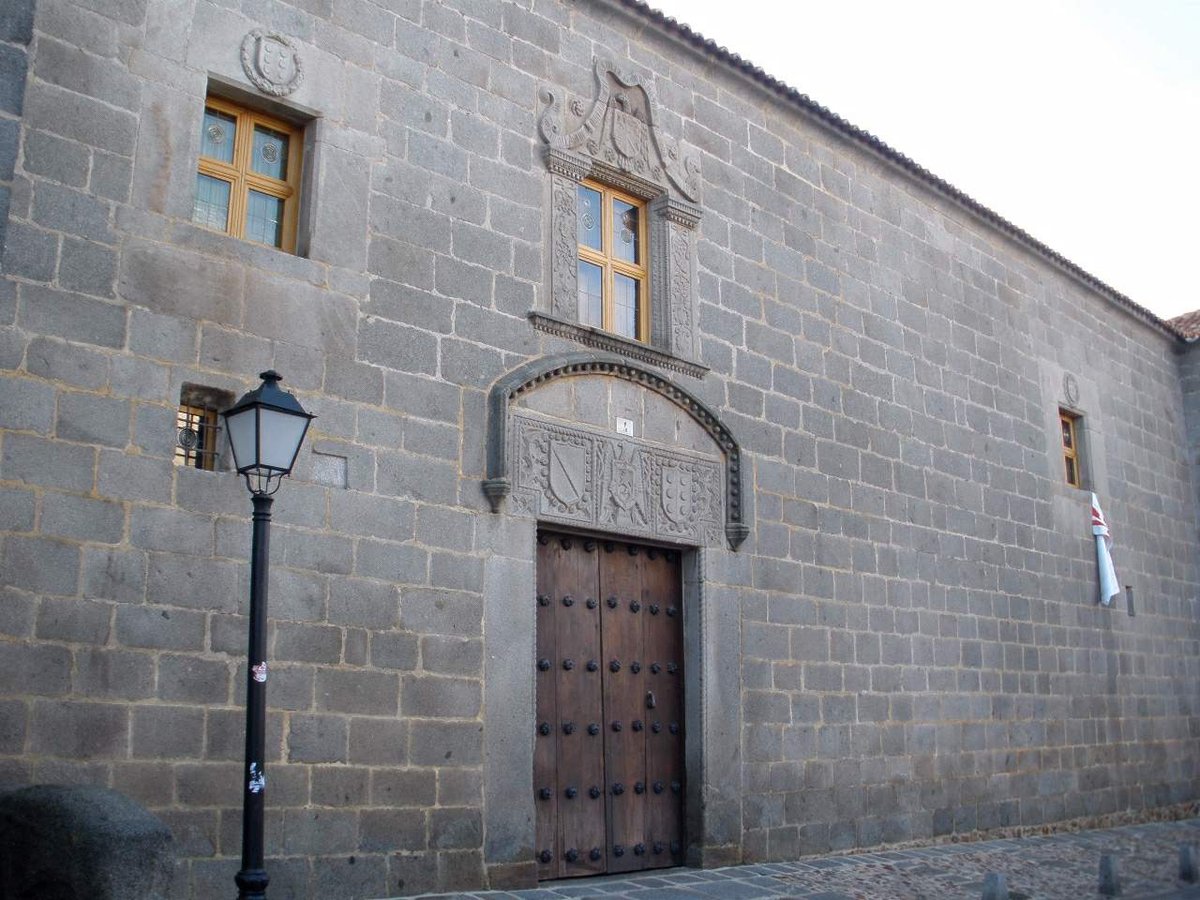
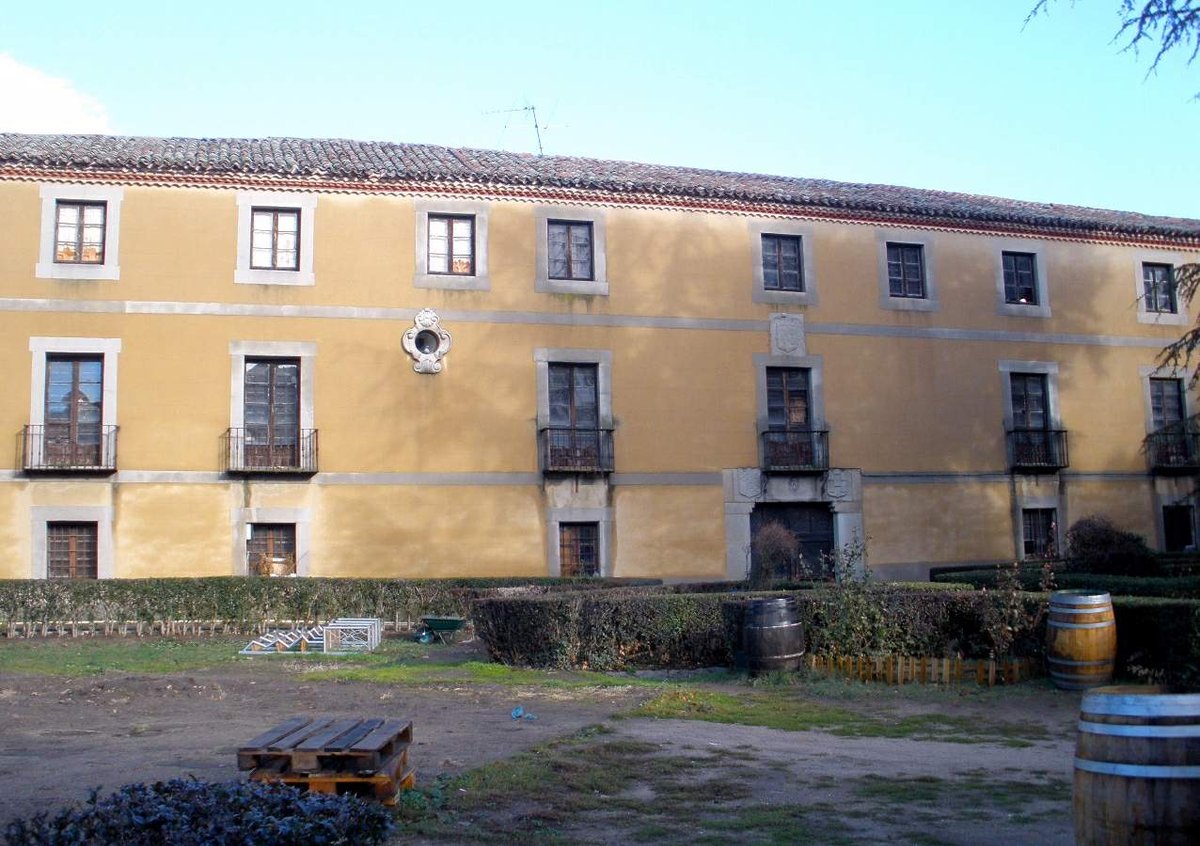
The building features a square plan constructed of ashlar, masonry, and rubble. It has two levels: the lower level has a simple access door with a pointed arch, and the upper level features balconies. The best-preserved part is the central courtyard with two floors of galleries. The lower gallery features three arches per bay with fine columns and heraldic shields of branches of the family, including Bracamonte, Velasco, Guzmán, Dávila, Águila, and Valderrábanos. The upper gallery is divided by a cornice decorated with typical balls from the early 16th century.
Currently owned by the Ministry of Culture, the building serves as the headquarters for the Territorial Culture Service and the Sección Agraria Comarcal de Ávila de la Junta de Castilla y León.
Sources: Wikipedia, OpenStreetMap, Wikidata, Wikimedia Commons
Written by Nicolo Ciampini
Discuss this with the author and others
No comments yet. Be the first to start the conversation.