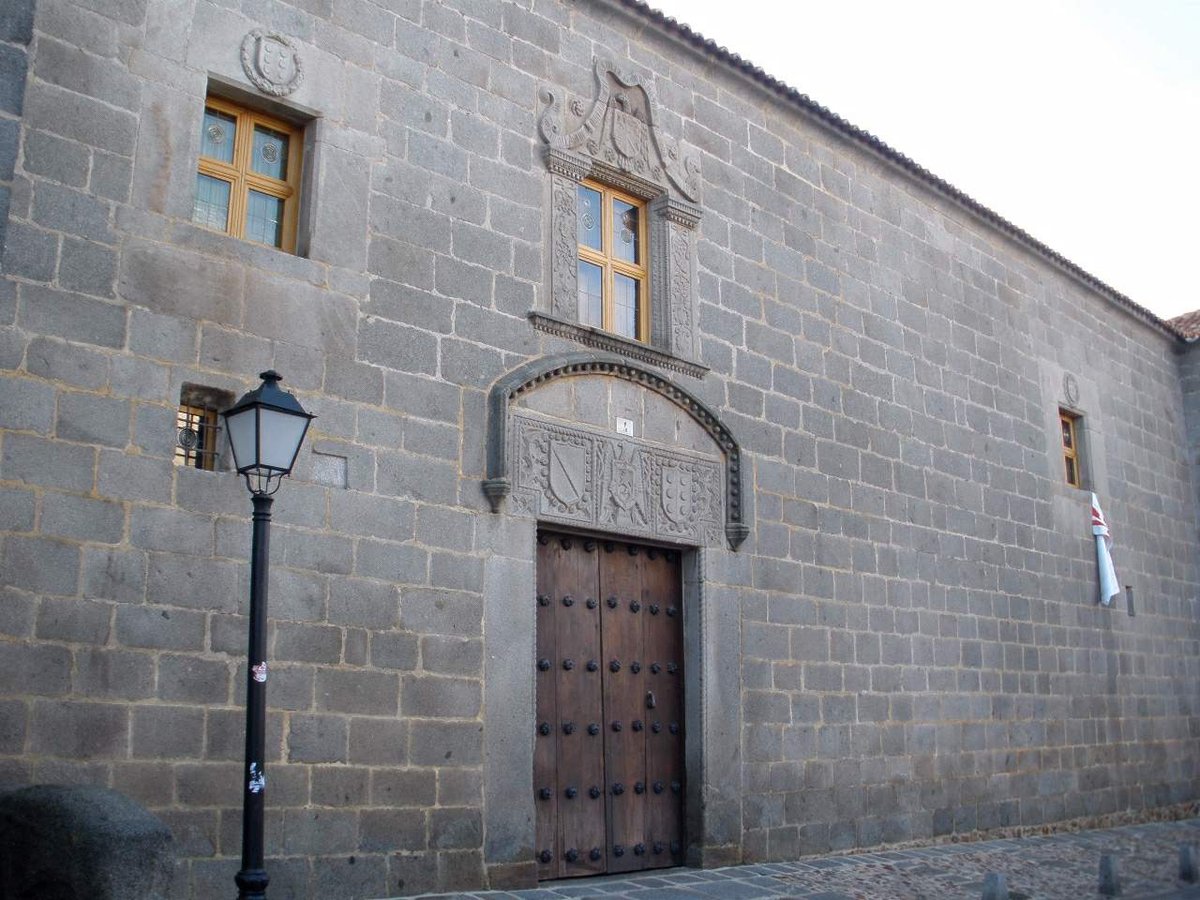

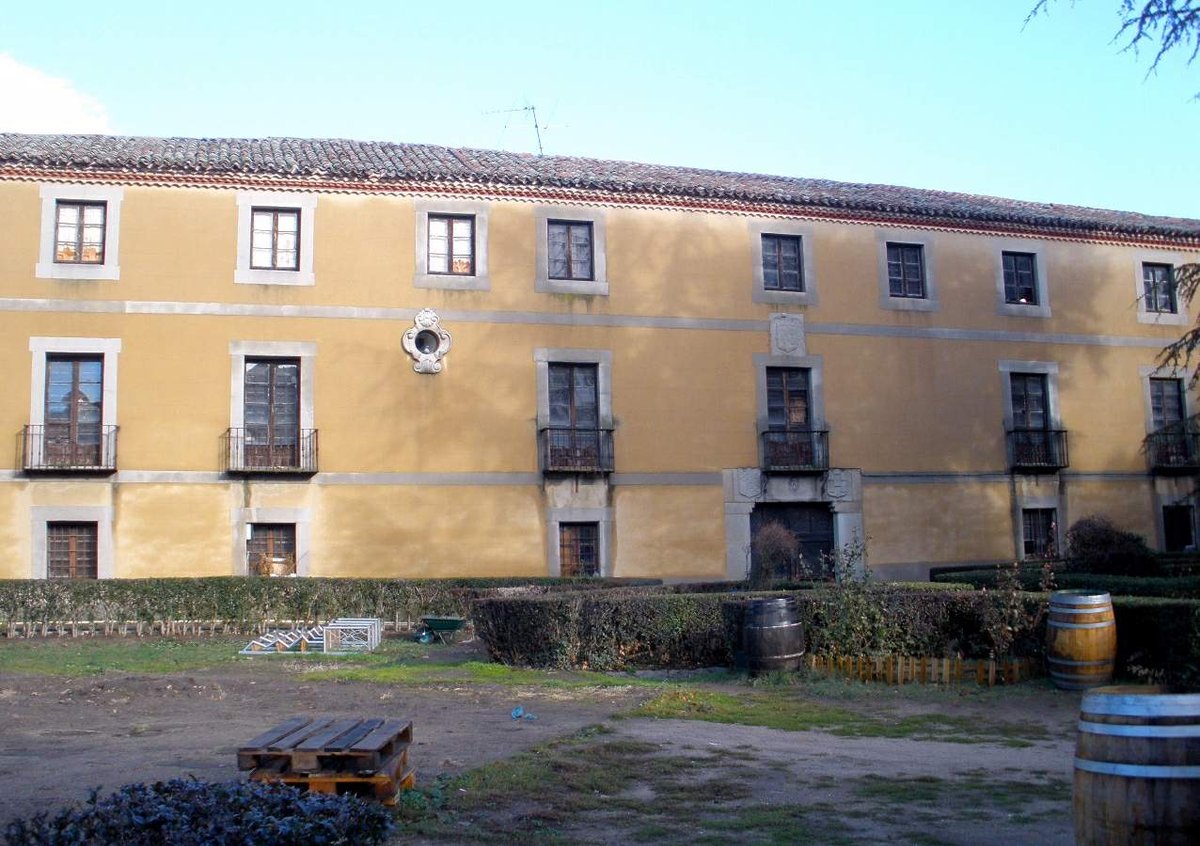
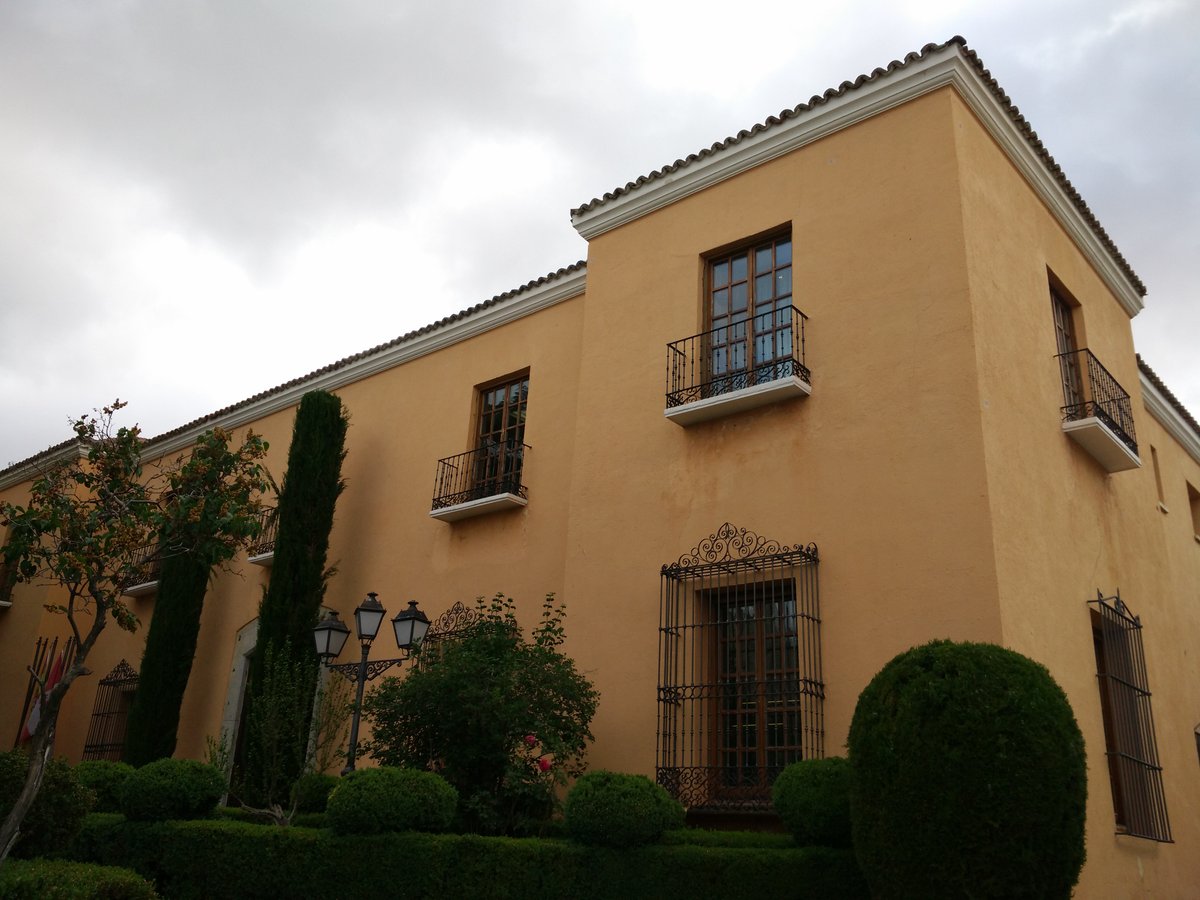
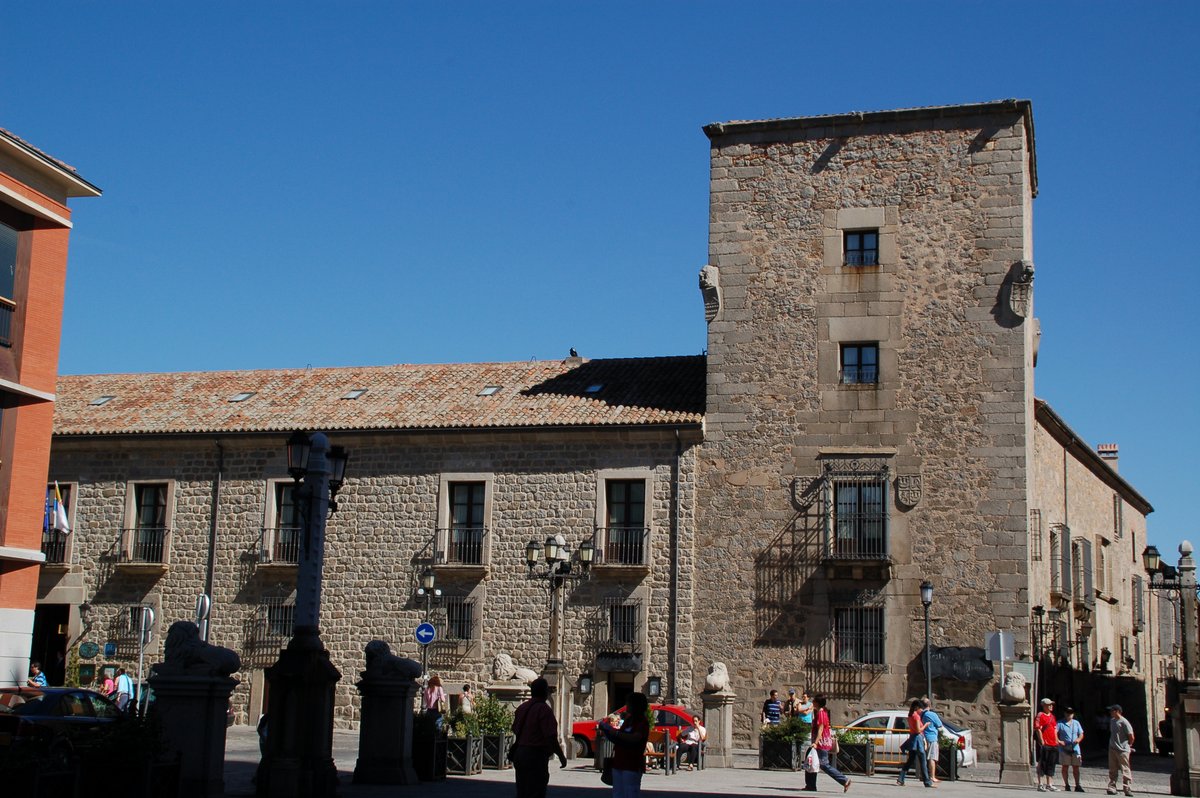
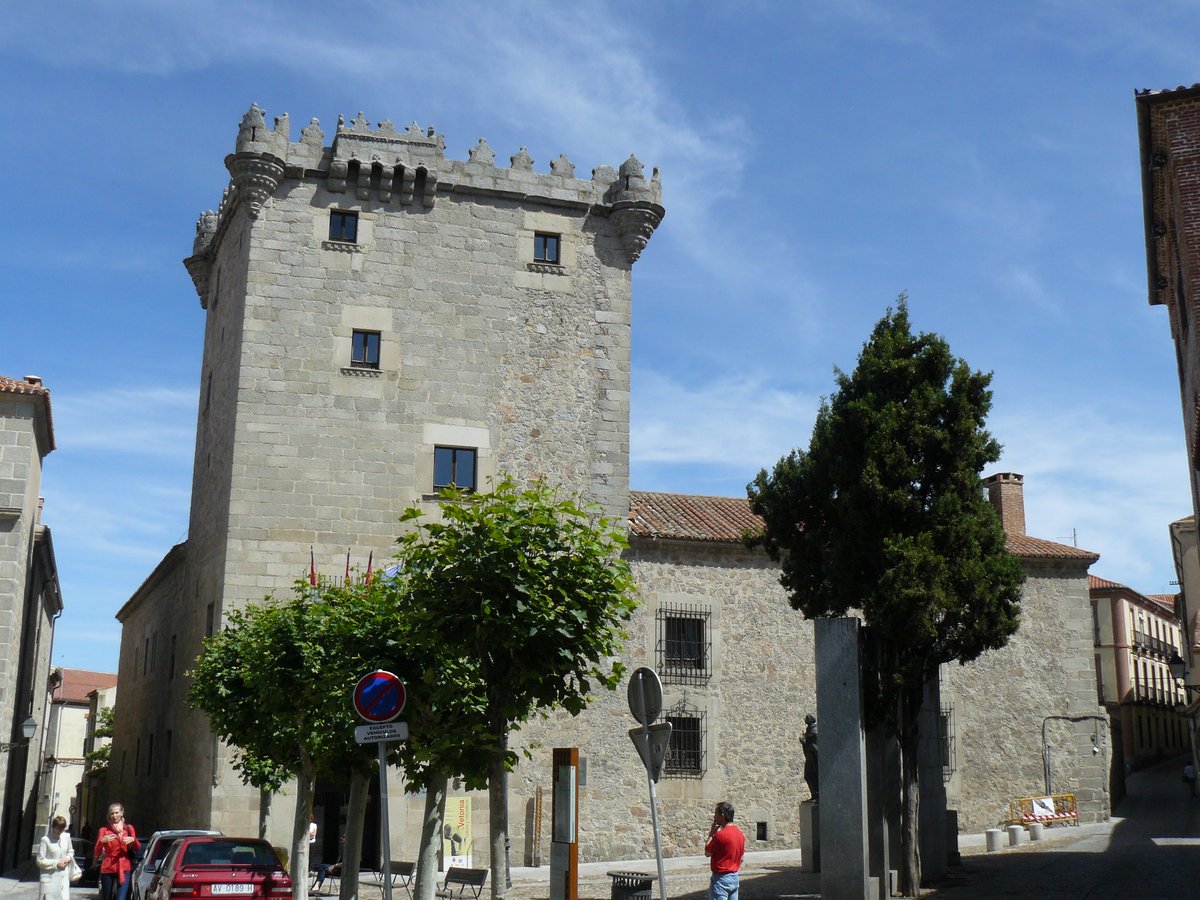
Built in 1531 by Suero de Águila, the Palacio de los Verdugo is a historic manor in Ávila. It was constructed during a period of growth for the city driven by the wool textile industry and the religious influence of Saint Teresa of Ávila and Saint John of the Cross. The building is located on Calle López Núñez, which was known as calle del Lomo at the time of construction.
The manor features a sober stone facade in the Plateresque style with a defensive character. It is built without windows at the lower height and features two wide towers on each side. To the left of the facade stands a stone verraco from the Vettonian period, similar to the dozens of others spread across the city and the well-known Toros of Guisando.
Following its construction, the house was the seat of the house of Suero de Águila. In 1606, it served as a house-convent for the Hieronymites until 1616, when it was exchanged with the Company of Jesus for the San Gil college. It passed through several hands before being held by the Verdugo-Guillamas, Fernández Campomanes, Hurtado, Sánchez-Albornoz, and Muñoz families until 1990. Since 2008, it has served as the permanent headquarters of the General Secretariat of the Group of World Heritage Cities of Spain.
Sources: Wikipedia, OpenStreetMap, Wikidata, Wikimedia Commons
Written by Nicolo Ciampini
Discuss this with the author and others
No comments yet. Be the first to start the conversation.