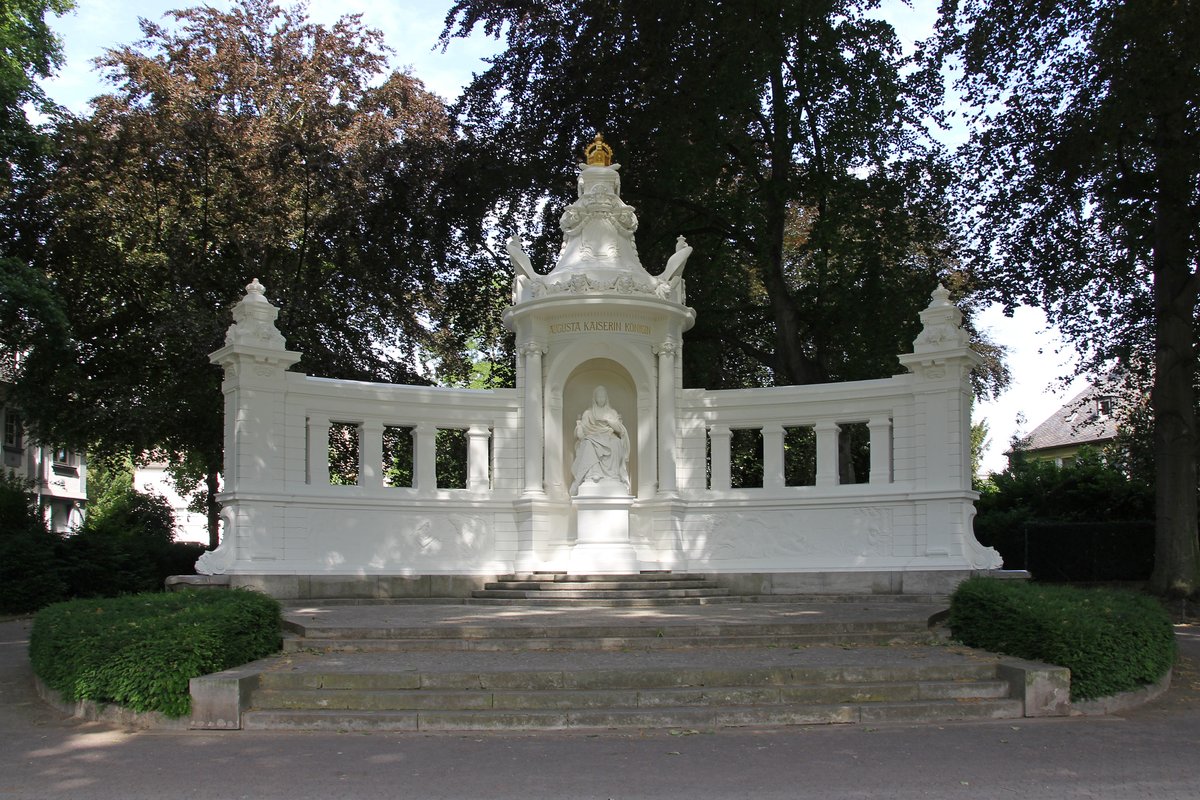
In 1856, Queen Augusta of Saxe-Weimar-Eisenach set up a playground for her daughter Luise. During this time, Augusta began landscaping the Rheinanlagen as a park with statues and monuments.
By the 1860s, the grounds were known as Luisenplatz. Following the passing of Augusta in 1890, the city council moved to honor her memory. To make room for the planned tribute, the Luisentempel - an iron pavilion from 1866 - was moved 100 meters downstream in the autumn of 1892.
Architect Bruno Schmitz won a competition of 41 applicants from across the German Empire to design the monument. He created a monumental architectural structure for a life-size statue of the Empress by Karl Friedrich Moest. Inaugurated on October 18, 1896, the memorial marks the beginning of the historical Rheinanlagen.
Today, the memorial remains at the corner of Ludwigstraße and Mainzer Straße. It stands on the site of the former playground, positioned so that the portrait statue maintains an unobstructed view over the Rhine.
Sources: Wikipedia, OpenStreetMap, Wikidata, Wikimedia Commons
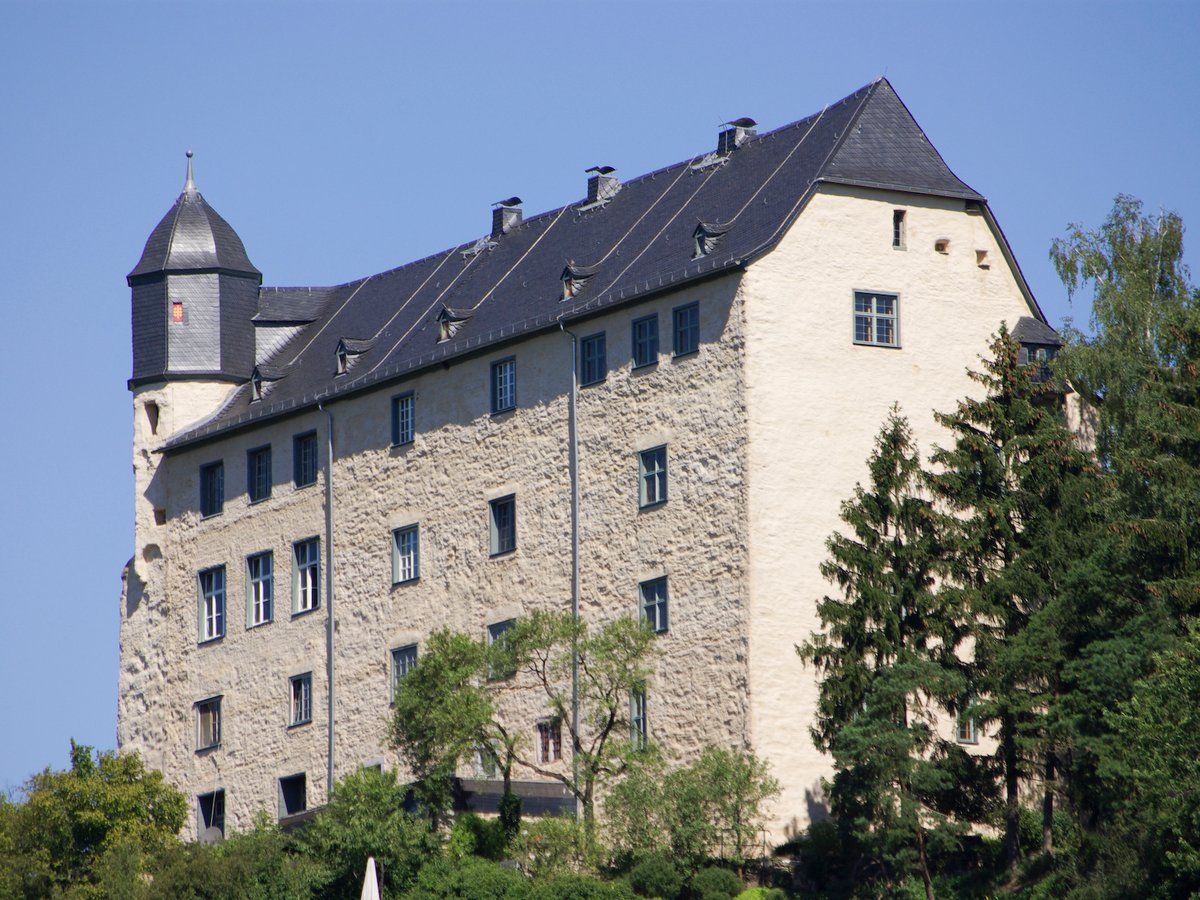
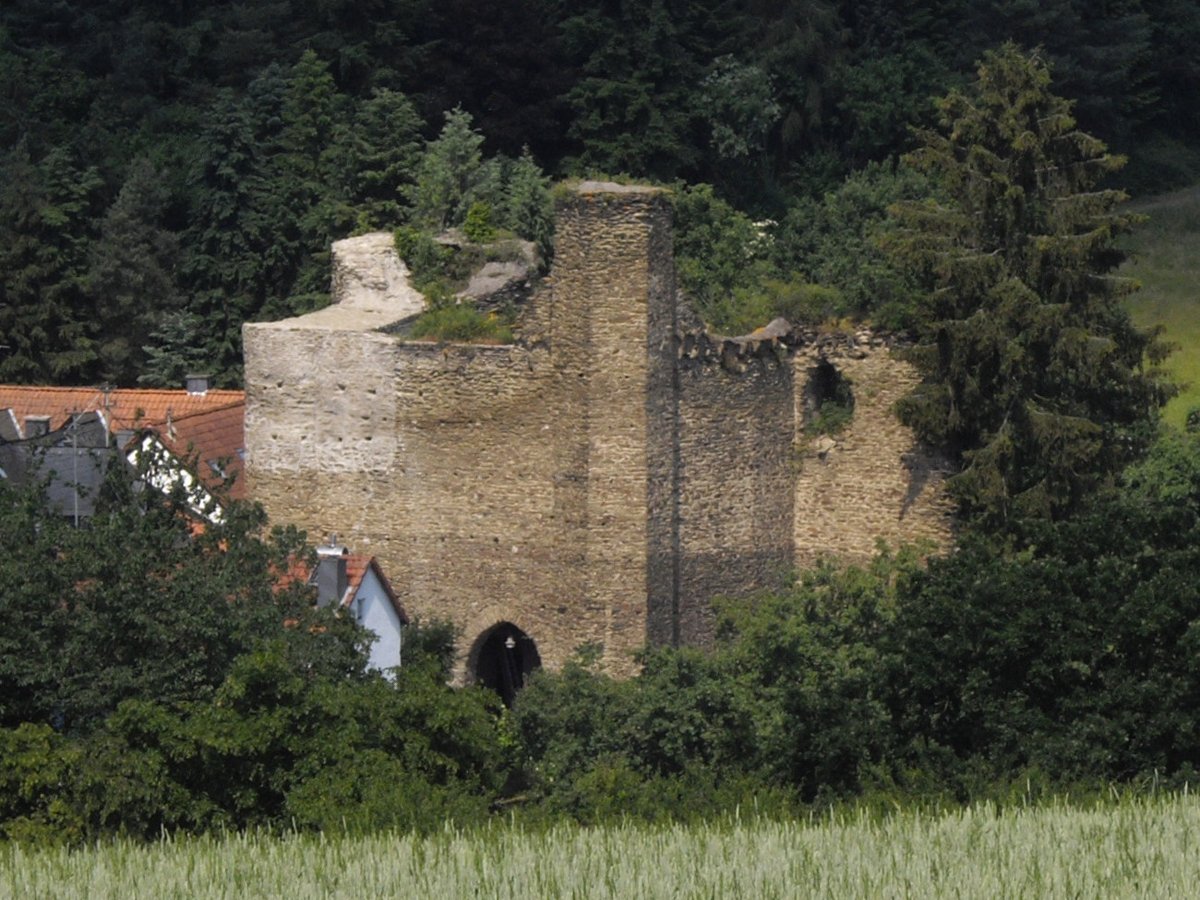
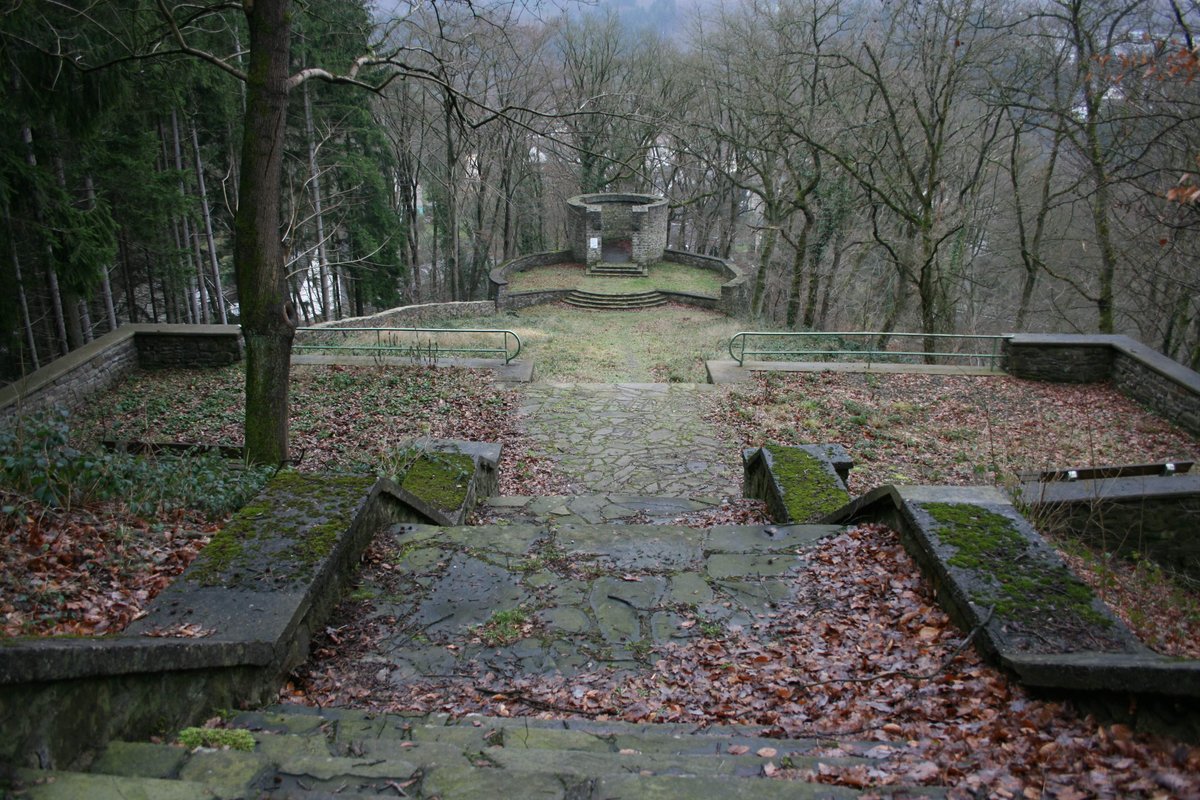
Written by Aurora
Discuss this with the author and others
No comments yet. Be the first to start the conversation.