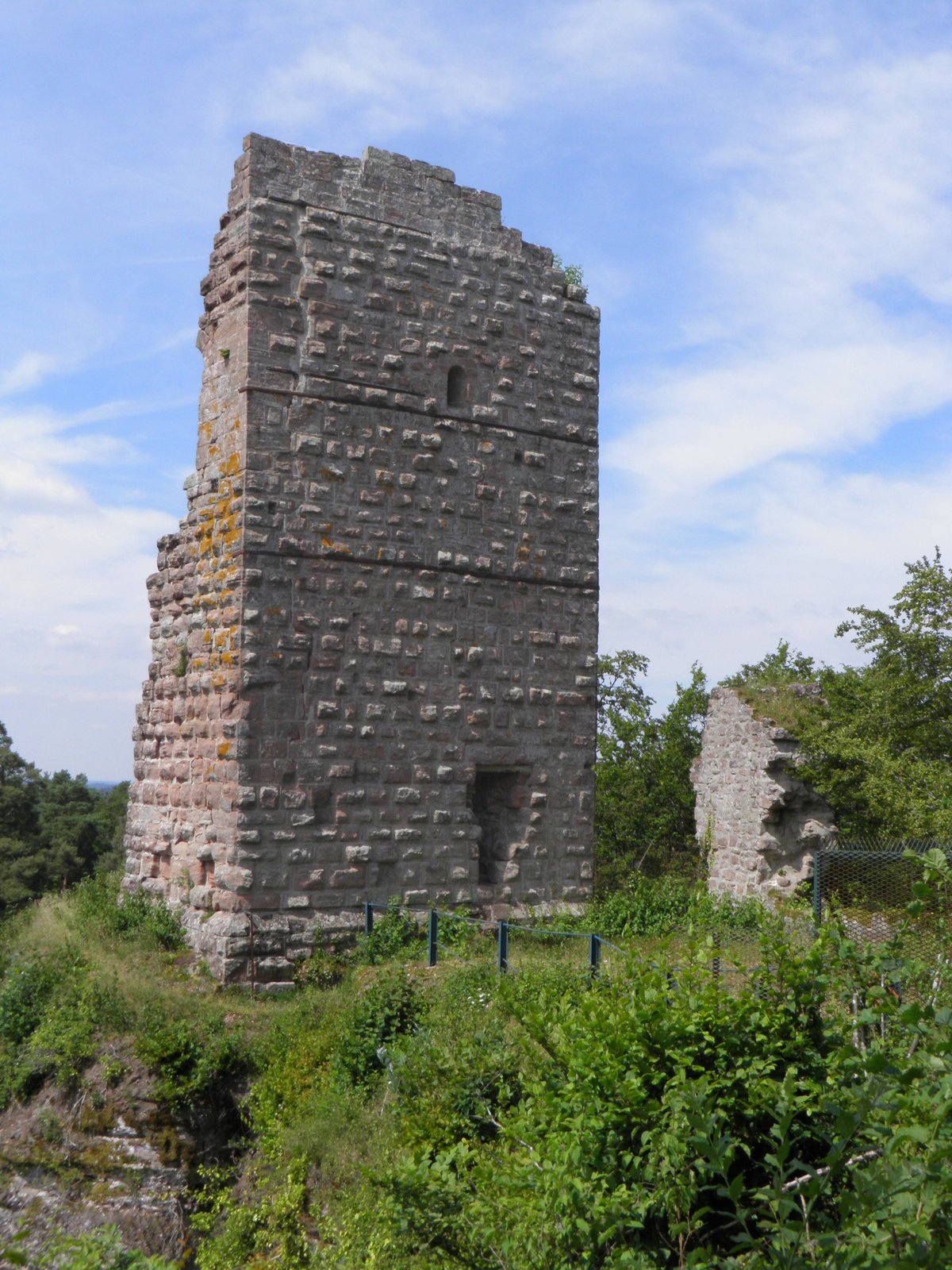

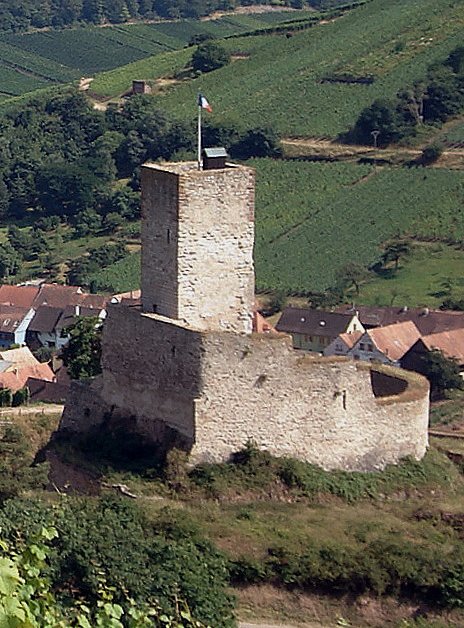
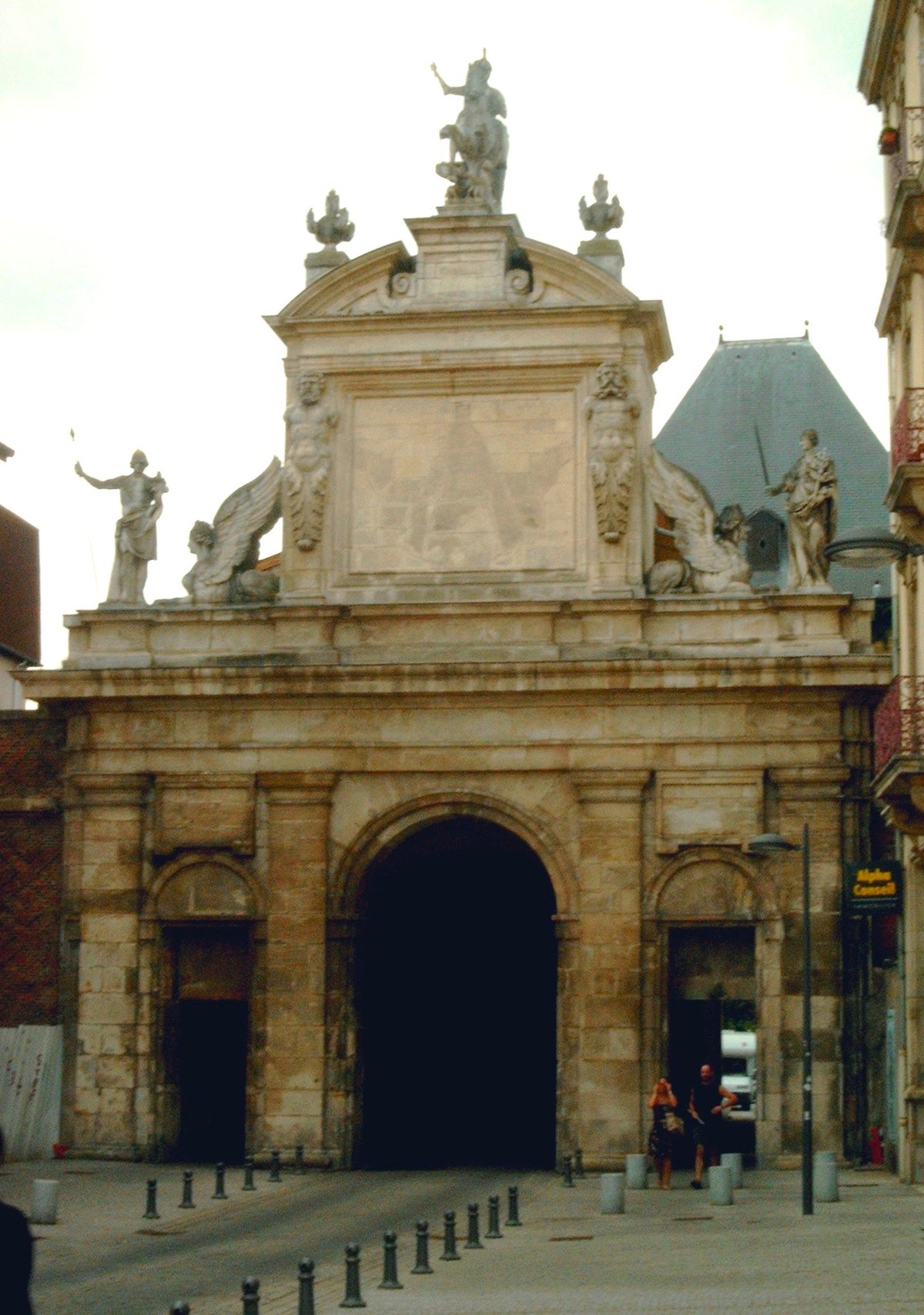
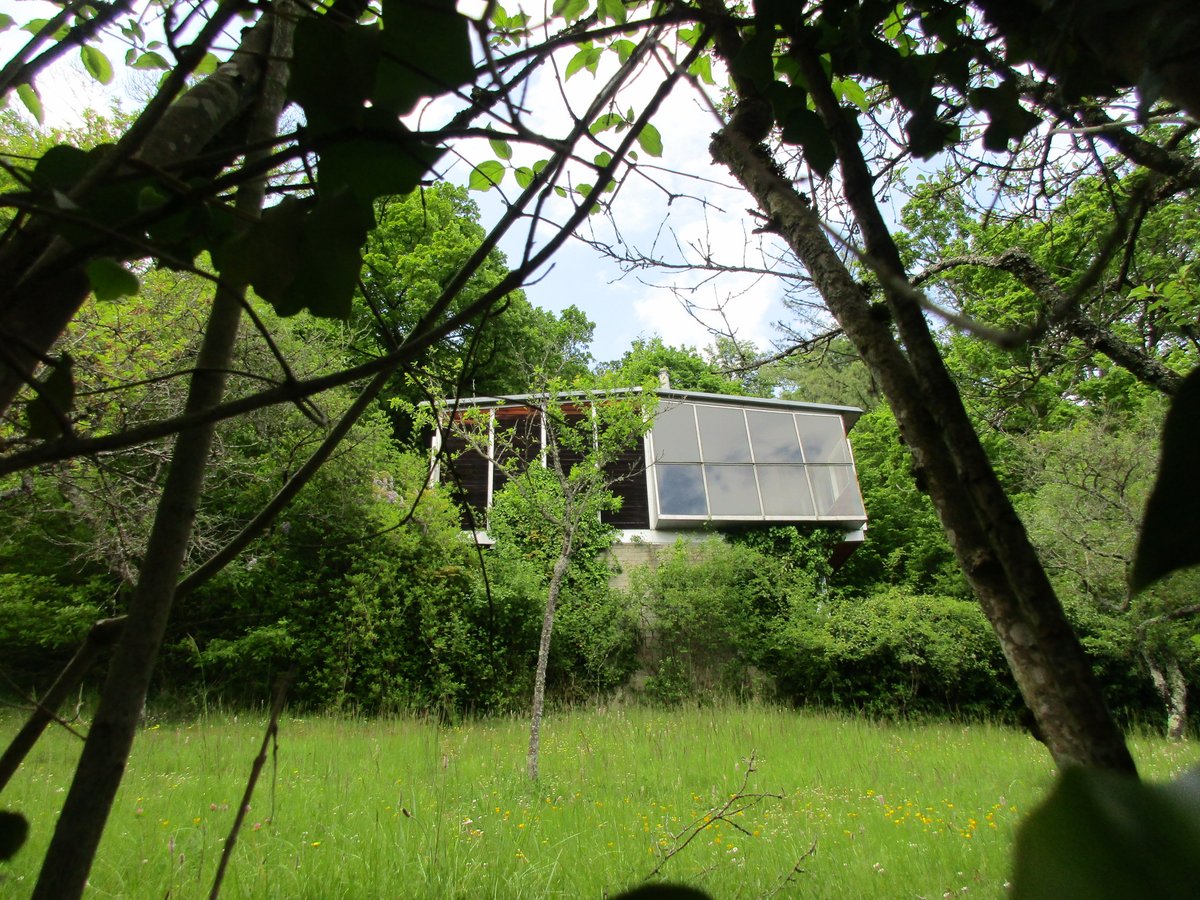
The Château de Pierre-Percée, nestled in the département of Meurthe-et-Moselle, bears a mellow, age-worn demeanor. The name hints at tales of besieged strongholds, but this silent grand stone structure sits untouched, much like the rock from which it was carved. The people who built it, fought for it, and held it for centuries have all vanished.
The site was in possession of Agnès, countess of Bar and widow of the count of Langenstein, in the early 12th century. She married Hermann II, Count of Salm, son of Hermann I, King of Germania. A well dug 100 ft (~30 m) into the rock gives the village and the castle their name. The territory became part of the hereditary property of the Counts of Salm for several hundred years. Around 1134, Hermann II went to war, allied to the Duke of Lorraine against the Count of Bar and Stephan of Bar, the Bishop of Metz.
Hermann was killed on the battlefield outside the Château de Frouard. The castle at Pierre-Percée was besieged for a year and fell into the hands of the bishop of Metz with the death of Hermann's eldest son. The castle was not besieged again until the Thirty Years' War, when, being deserted, it was destroyed by Franco-Swedish troops.
Being state property, the Château de Pierre-Percée is listed as a monument historique by the French Ministry of Culture.
Sources: Wikipedia, OpenStreetMap, Wikidata, Wikimedia Commons
Written by Nicolo Ciampini
Discuss this with the author and others
No comments yet. Be the first to start the conversation.