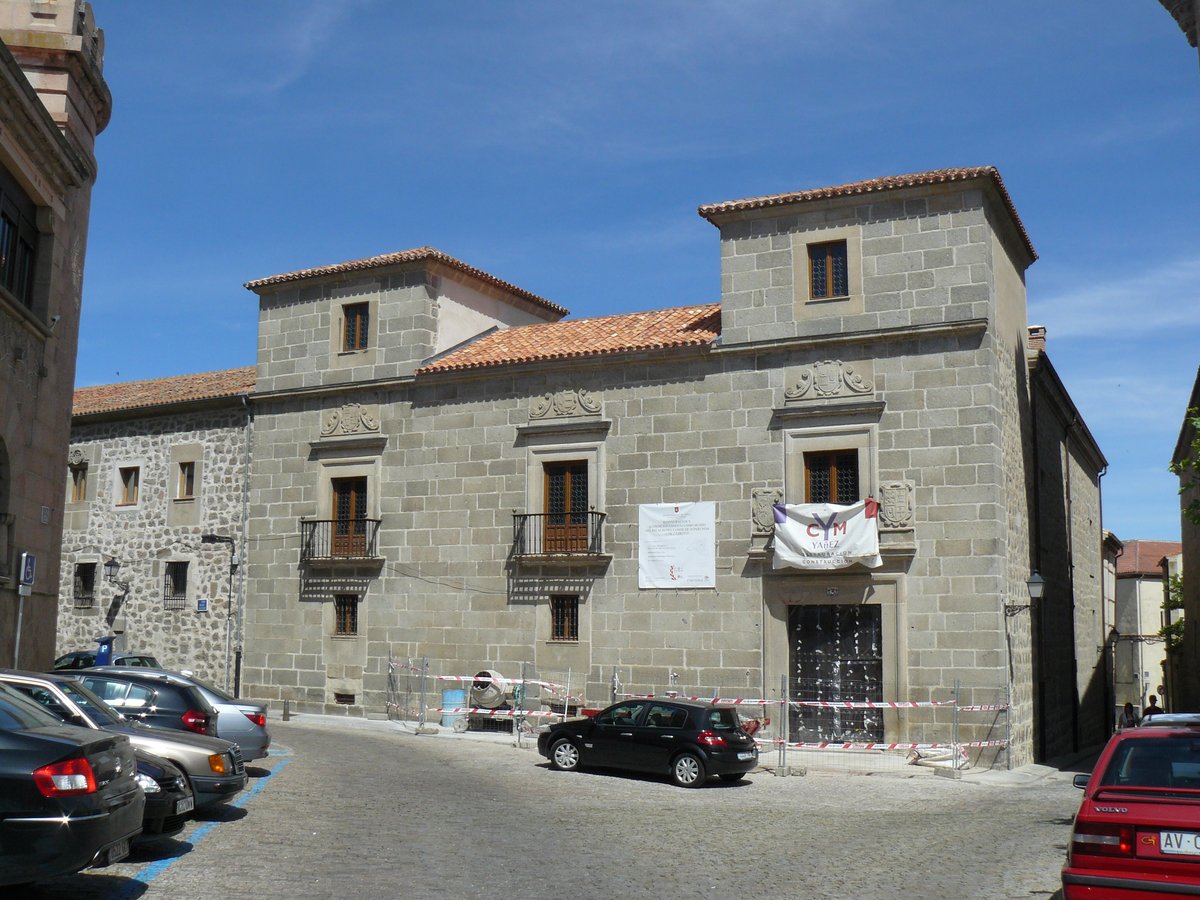

Just outside the walls of Ávila, the city within a city, lies a 16th-century palace known for its association with the 19th-century owner. This Italian Renaissance building, square in plan with two floors and two towers, hosts an extensive collection of art dedicated to the daily life of Ávila and its people. The palace became a Bien de Interés Cultural on December 23, 1992.
Guido Caprotti, a renowned Italian artist, acquired the palace in 1916 and made it his home in Ávila. The palace houses a collection of paintings by Caprotti, his son Óscar, Sorolla, and López Mezquita, offering a unique insight into the lives of these artists and their impact on the city.
The part of the museum dedicated to Caprotti's residence has been preserved, allowing visitors to step into the past and feel the spirit of the 16th century still lingering within its walls.
Sources: Wikipedia, OpenStreetMap, Wikidata, Wikimedia Commons
Written by Nicolo Ciampini
Discuss this with the author and others
No comments yet. Be the first to start the conversation.