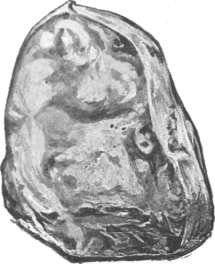

On 11 September 2022, a mudslide occurred when a mine tailings dam wall at Jagersfontein Mine failed and burst. The slide killed three people and hospitalised 40 others, leaving many displaced. The site is a massive open-pit mine in South Africa that was confirmed by historian Steve Lunderstedt in 2005 to be the biggest hand-excavated hole in the world at 19.65 hectares (48.6 acres).
For almost a century, the mine produced some 9.6 million carats of jewel-quality diamonds. It was discovered in 1870 when farmer J.J. de Klerk found a 50-carat stone, sparking a diamond rush. For much of its operational history, the mine was run by De Beers until 1972, when it was deproclaimed. The gems from this mine are known for a distinctive faint bluish tint, with the term "Jagers" coined to denote this specific hue.
Since the mine's closure on May 28, 1971, an Open Mine Museum and the Jagers Mining Village have opened as tourist attractions at the site. Geologically, Jagersfontein is a kimberlite pipe and a prime locality for mantle xenoliths, some of which are believed to have come from depths of 300-500 km (190-310 mi).
Sources: Wikipedia, OpenStreetMap, Wikidata, Wikimedia Commons



Written by Mutabor
Discuss this with the author and others
No comments yet. Be the first to start the conversation.