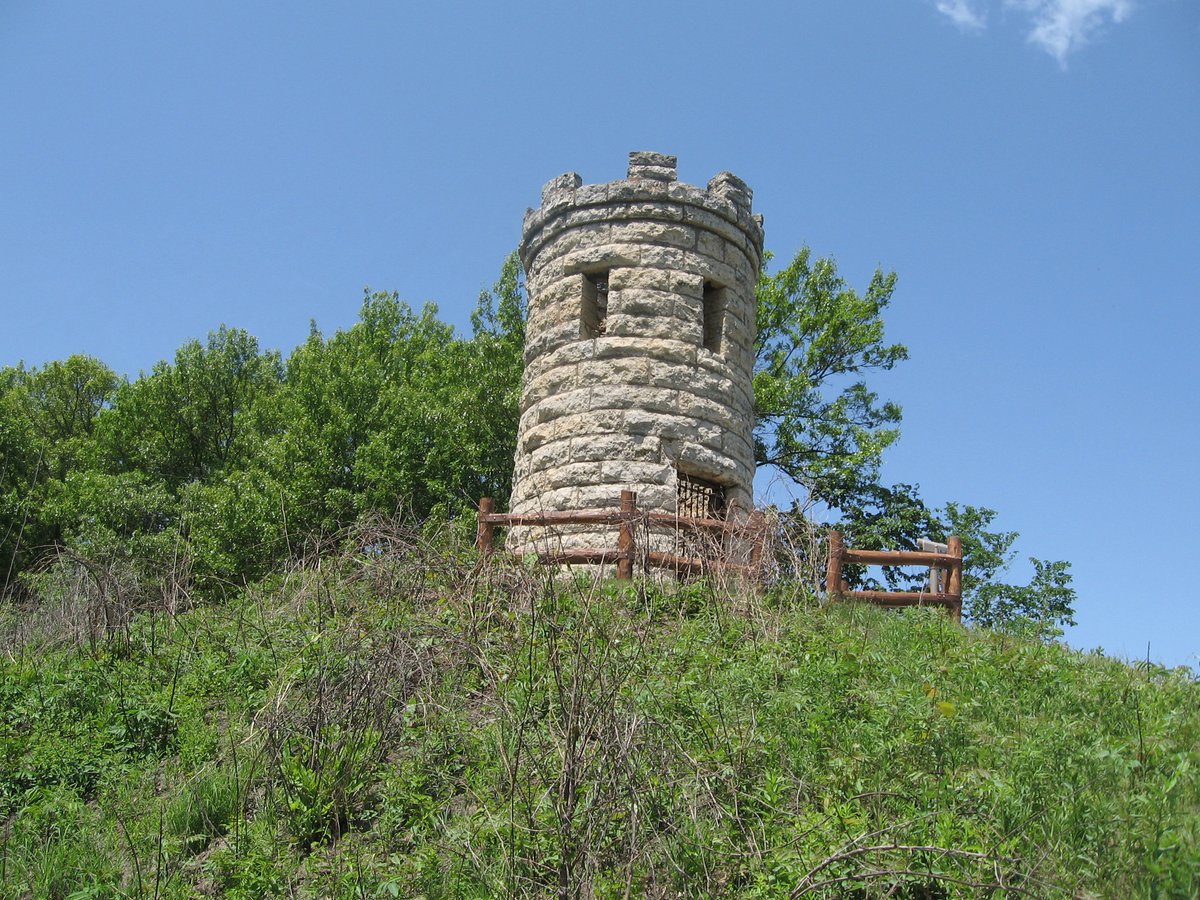

The Mines of Spain State Recreation Area and E. B. Lyons Nature Center, located along the southern edge of Dubuque, Iowa, is a memorial to Julien Dubuque, the man who made his fortune mining lead in the area. But it's not just a memorial to Dubuque – it's also a reminder of the price he and his followers paid for that fortune. The mines that made Dubuque rich also exposed the early miners and their successors to deadly levels of lead poisoning. Let's take a walk through time and explore the history of these mines, from their ancient origins to the present day.
The area was first settled by the Meskwaki, who arrived in the 1760s and subsisted on horticulture, hunting, and fishing. They were involved in the lead trade, but only mined the surface deposits and smelted the ore using simple furnaces.
Julien Dubuque, a French trader, arrived in the area in 1785 and struck a deal with the Meskwaki to mine lead under their land. He built a trading post near Catfish Creek and began mining lead in earnest. Dubuque's operations were initially successful, but the tunnel collapses and landslides were a common hazard. Despite that, Dubuque continued to mine and by 1794, he was producing 18 tons of lead per year.
But the lead poisoning that would later kill Dubuque and many of his followers was already starting to take its toll. Dubuque himself suffered from symptoms such as headaches, tremors, and depression. He died in 1810, and speculation about his cause of death ranges from tuberculosis to lead poisoning to suicide.
Sources: Wikipedia, OpenStreetMap, Wikidata, Wikimedia Commons
Written by Friendly Jane
Discuss this with the author and others
No comments yet. Be the first to start the conversation.