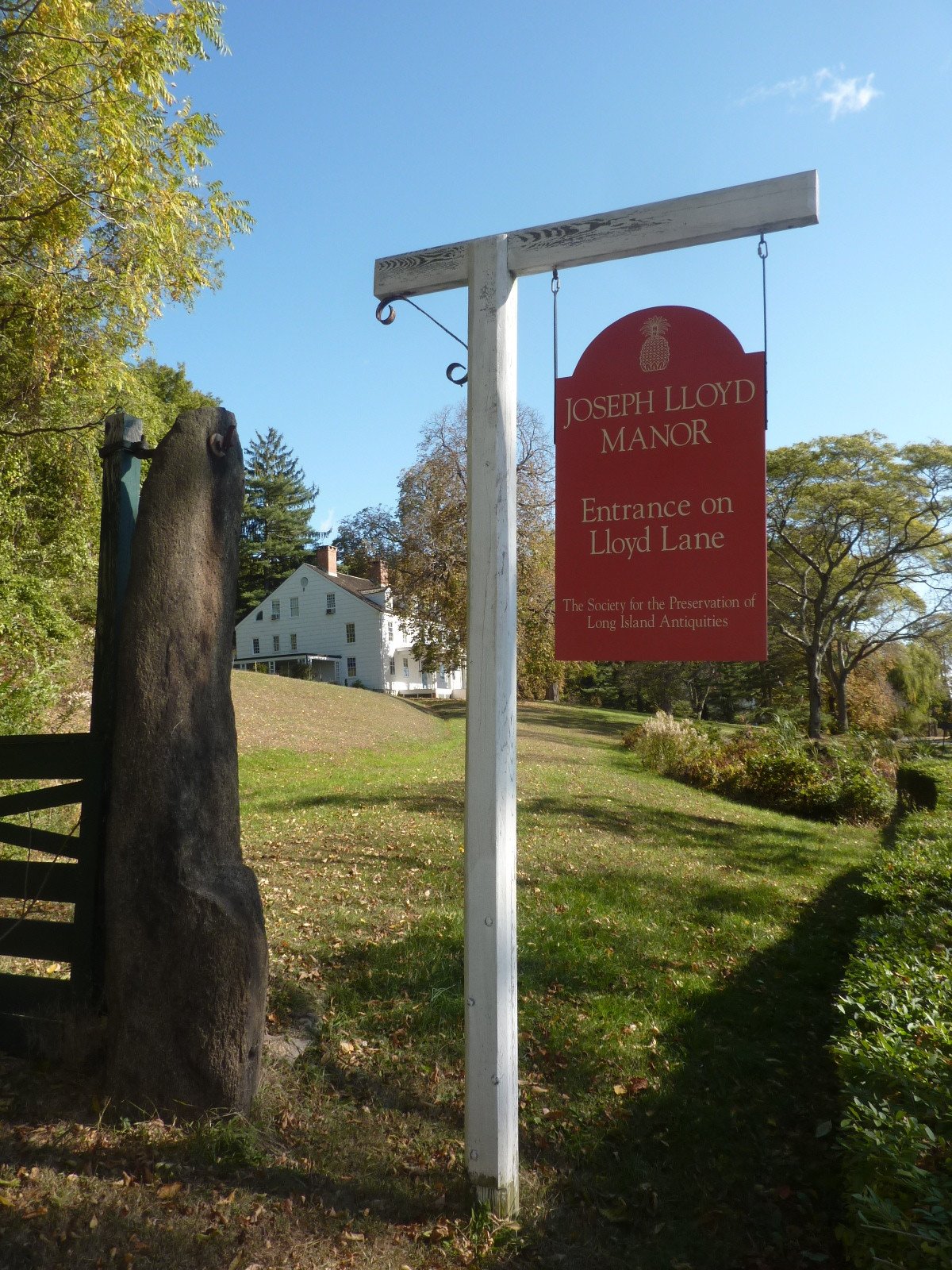
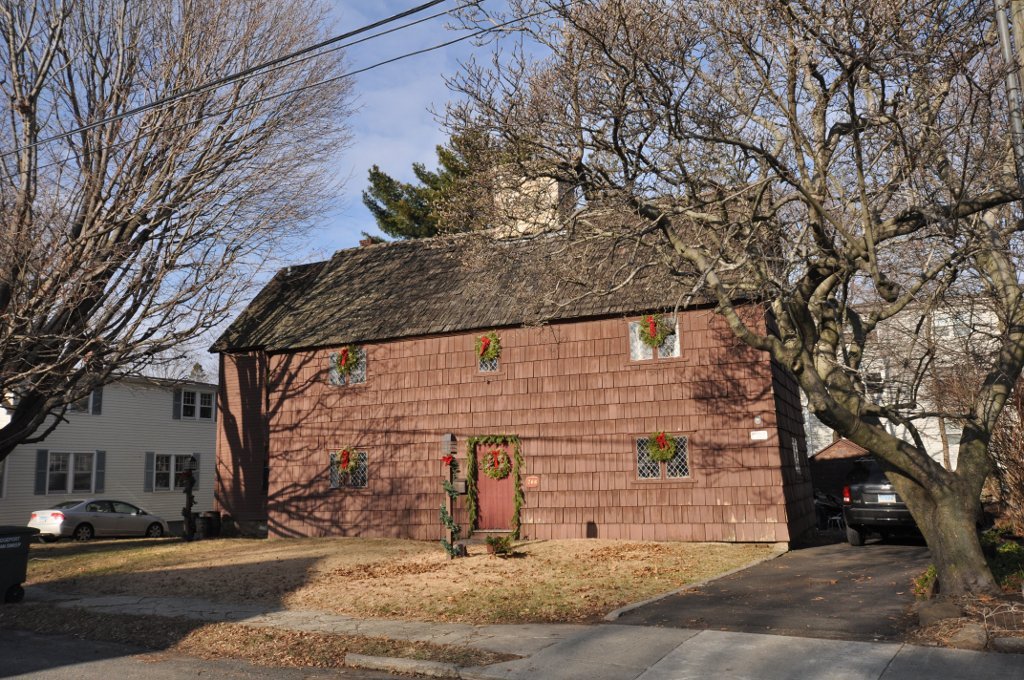
Jupiter Hammon authored his best-known works while being held in bondage by the Lloyd family in this house.
In 1766, Joseph Lloyd hired a Connecticut carpenter named Abner Osborne to construct a Pre-Revolutionary manor on his 3,000-acre plantation. The structure featured a five-bay façade with fluted pilasters and a grand staircase with a mahogany banister. They had an unlimited supply of wood from the dense trees of Lloyd Neck, so they didn't have to skimp on the materials.
The Lloyd family held the property for a century before selling it in 1876. During that time, British soldiers occupied the manor in 1776 after the Battle of Long Island. Eventually, Joseph Lloyd took his own life in exile in Connecticut, and the estate cycled through various owners, including the Woods family in 1905 and the Lindbergh family in the 1940s.
Since being gifted to a preservation society in 1968, the manor has served as a museum. You can inspect the formal paneling and the courtyard, but the real objective here is to discuss the region's history of enslavement and the heavy legacy left behind by Hammon.
Sources: Wikipedia, OpenStreetMap, Wikidata, Wikimedia Commons



Written by Kyle McLonely
Discuss this with the author and others
No comments yet. Be the first to start the conversation.