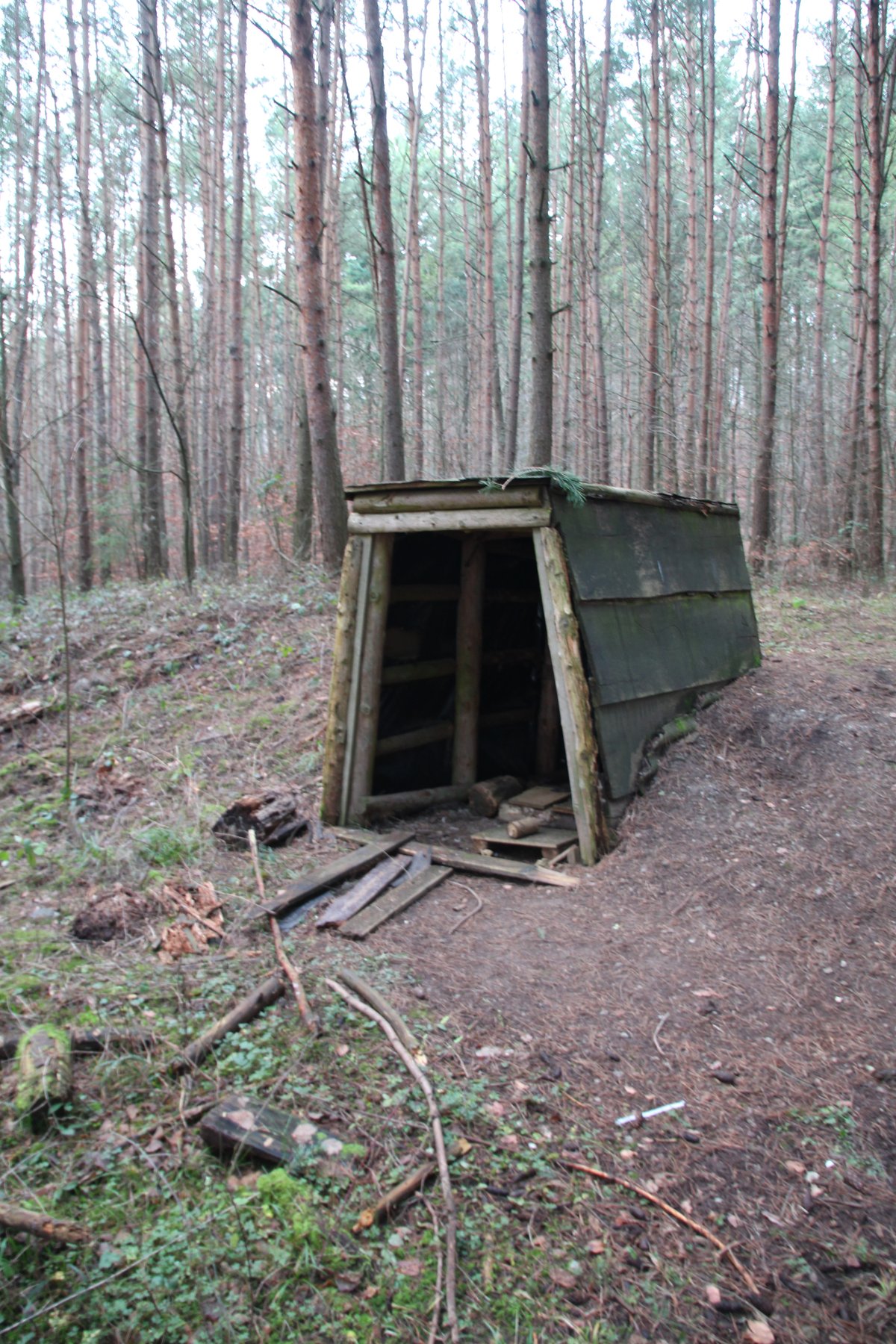
At Dünsberg, Grube Friedberg rests. This site saw ore pulled from the soil for over a century. History began in 1826. Sons of J. W. Buderus struck Fellingshausen with prospecting tools.
By 1836, Justus Kilian secured a license for Buchholz deposits. Finding only small pockets of brown ironstone, he sought expansion across Fellingshausen. In 1840, he succeeded. He had established an ironworks nearby in Weidenhausen an der Salzböde in 1837 to process the landed wealth.
Conflict bloomed when Ph. Gath and partners received a competing license in 1847. Justus Kilian began mining the ore deposit without waiting for a mining authority decision. He ordered his miners not to yield to Gath's miners, who subsequently withdrew. Physical skirmishes broke out by 1857.
On August 12, 1859, tension snapped. Justus Kilian died during a confrontation with his son-in-law. His death silenced Hedwigshütte, built in 1854. The Buderus sons bought it two years later. A final settlement in 1863 ended a nine-year legal battle, partitioning the Buchholz sector.
From this peace, Friedberg emerged in 1864 to describe the eastern fields. The Buderus company began extraction there that year. In the mapped open-cast mine, only the upper layers up to a thickness of eight meters were mined until the pit fell silent in 1961.
Sources: Wikipedia, OpenStreetMap, Wikidata, Wikimedia Commons

Written by Aurora
Discuss this with the author and others
No comments yet. Be the first to start the conversation.