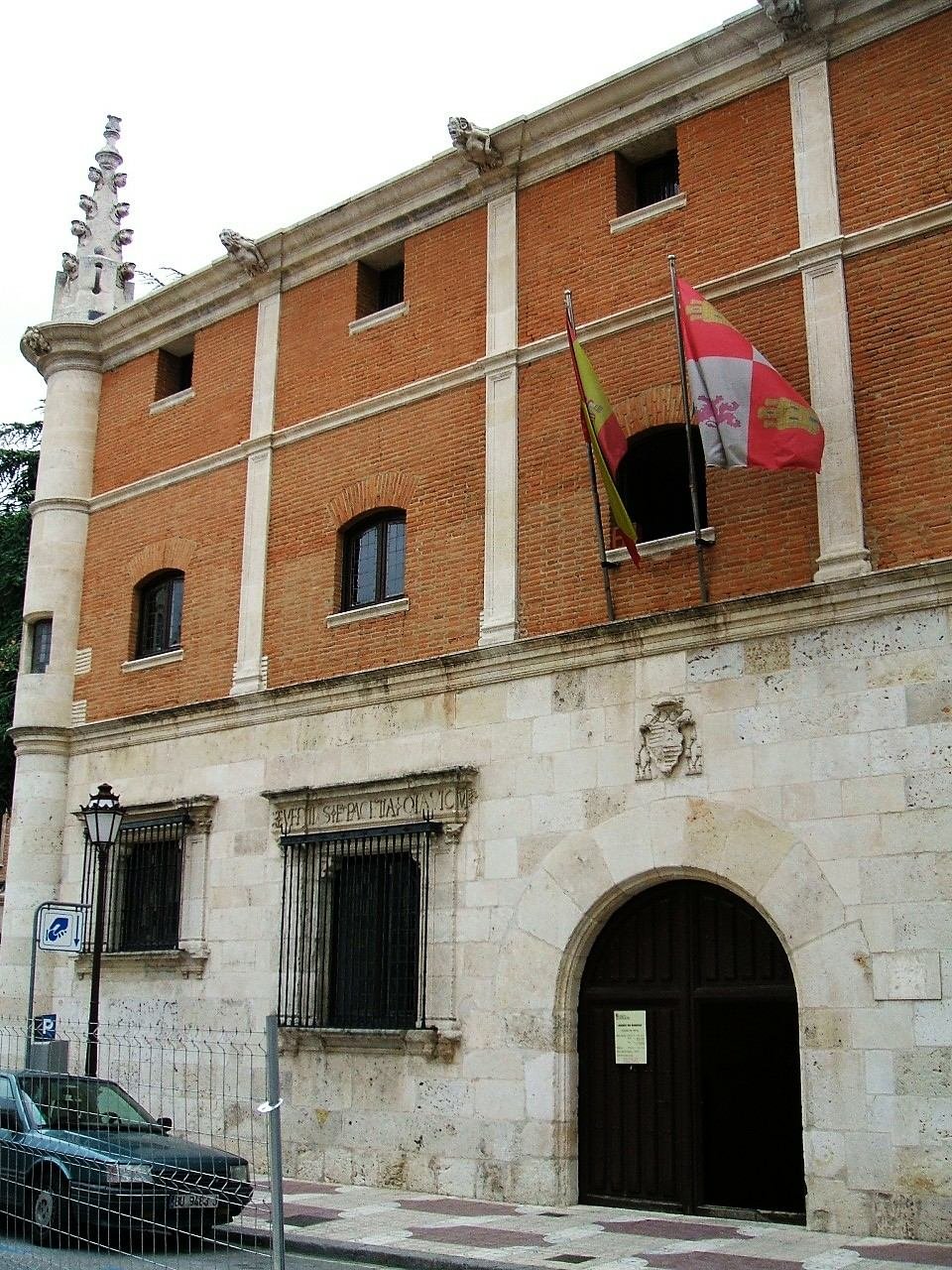

The Museo de Burgos lives inside two 16th-century palaces known as the Casa de Miranda and the Casa de Íñigo Angulo. The owner of the Casa de Miranda sold the courtyard of the palace to William Randolph Hearst, but the declaration of a national monument prevented the courtyard from leaving the country. Now it serves as a space for the museum, which houses collections that are exclusively from the Burgos province, either by origin or destination.
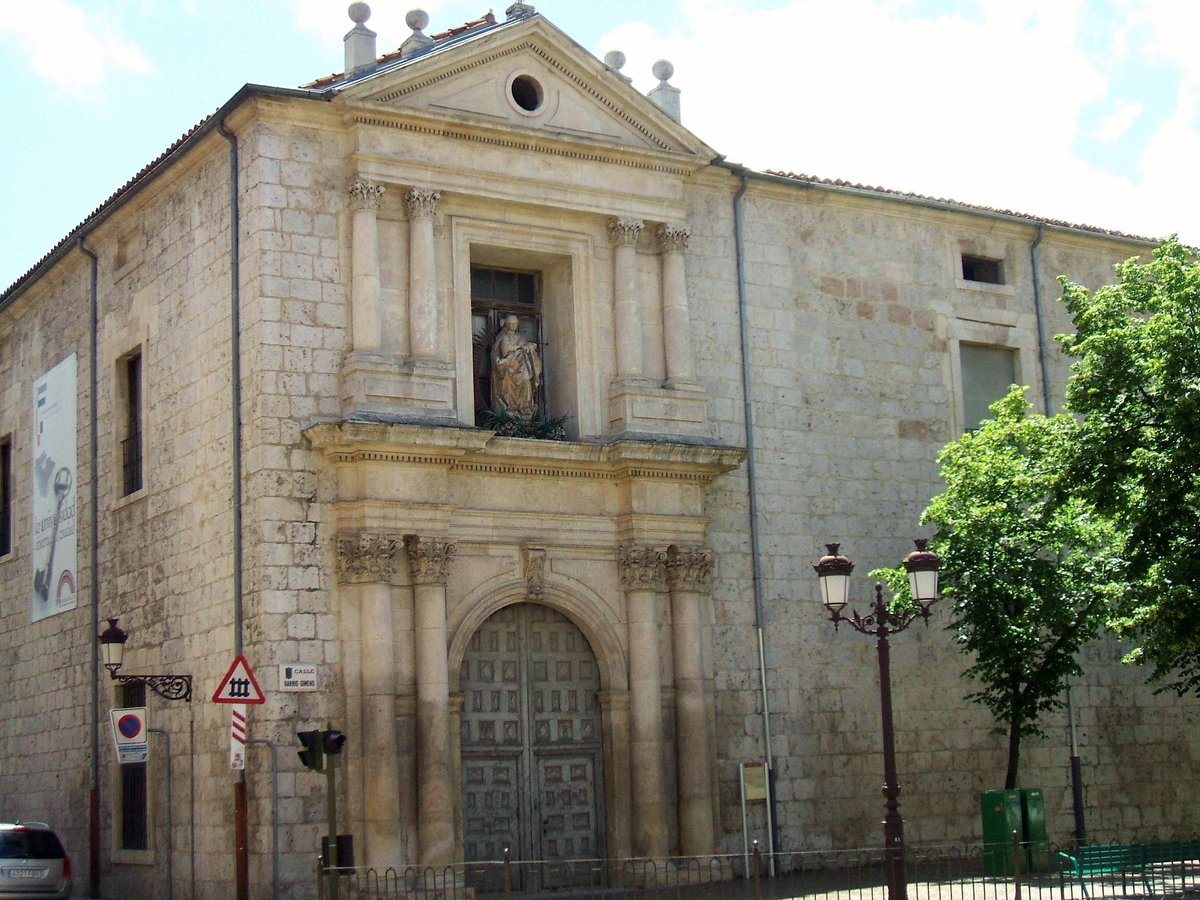
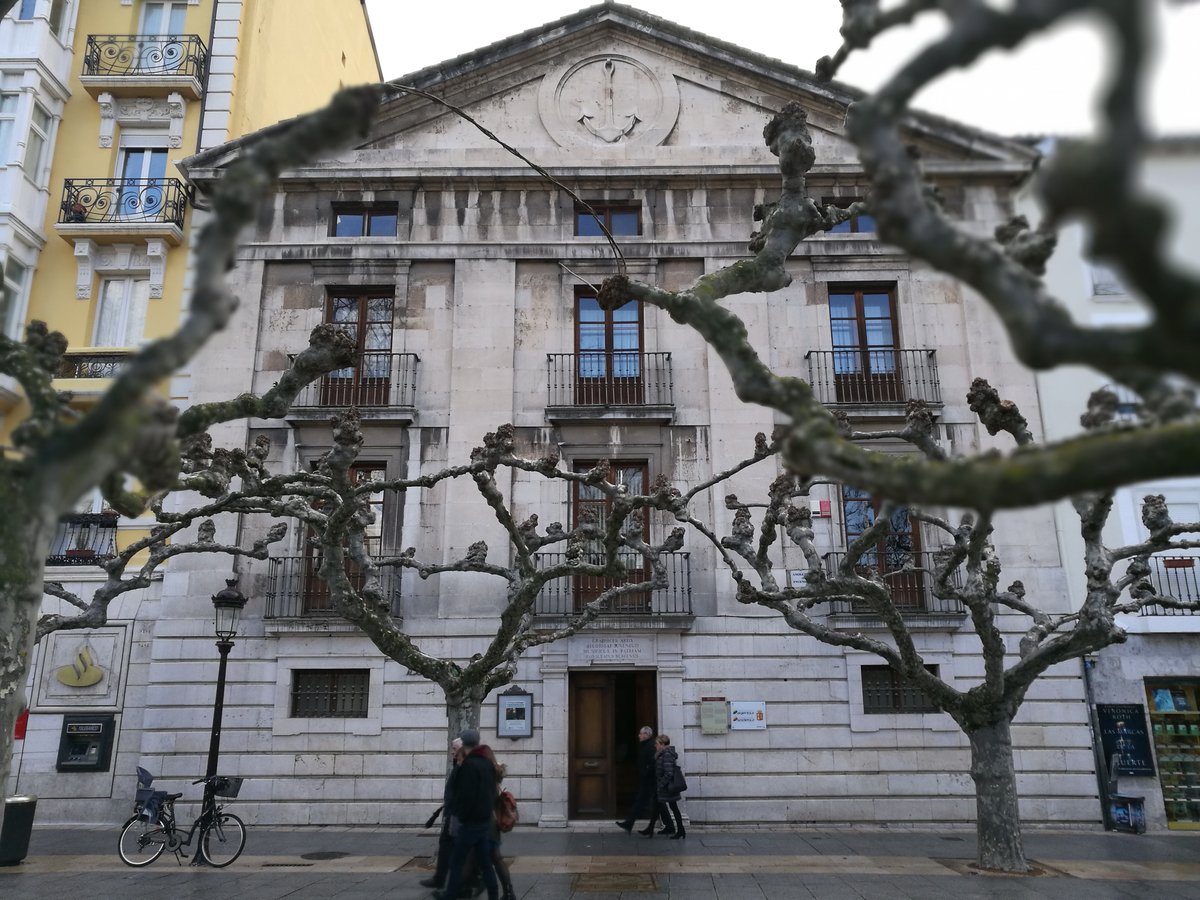
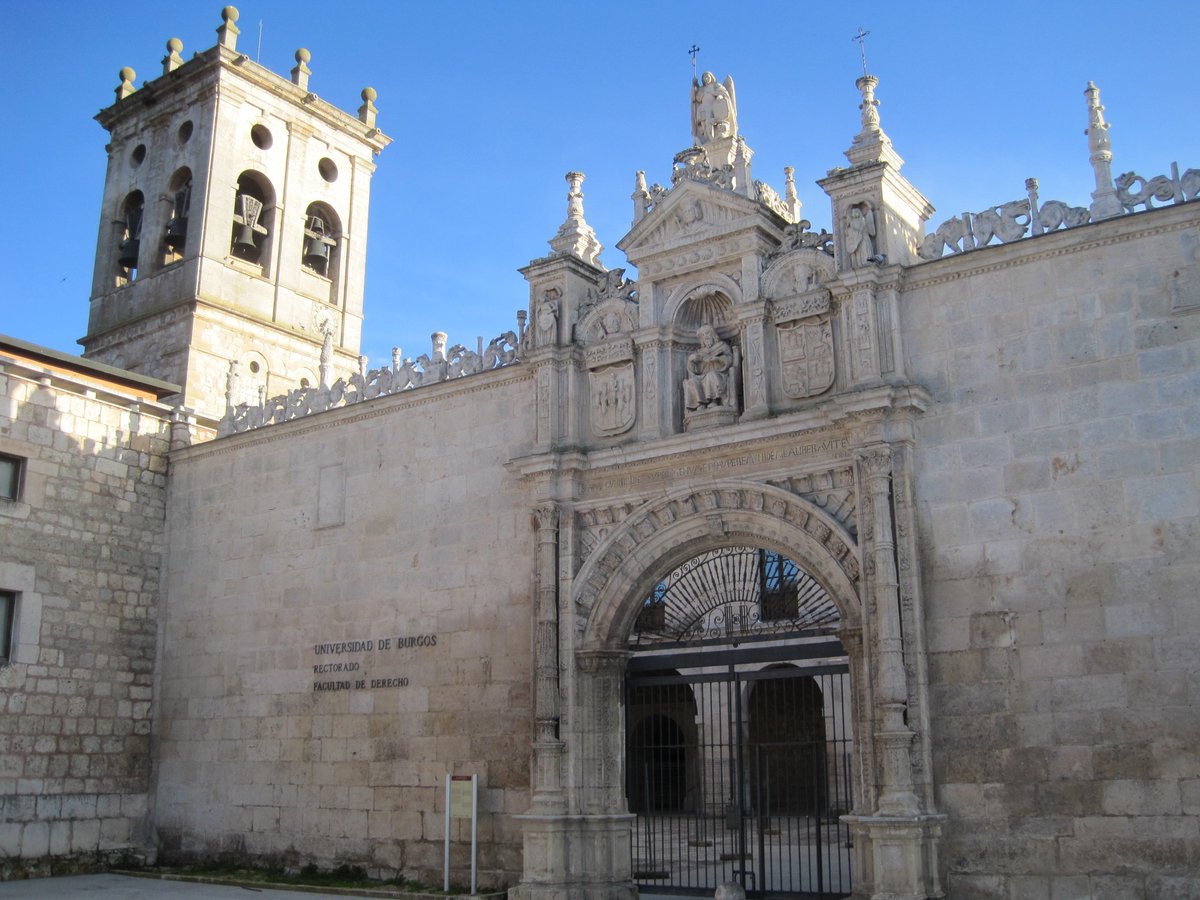
The museum was born in 1846 as a result of the work carried out by the Provincial Commission of Desamortización and later by the Provincial Commission of Monuments. These bodies were responsible for collecting, cataloging, and guarding artistic assets from the churches, convents, and monasteries of the province affected by the Desamortización of 1835. Before finding its current home, the museum was a nomad, occupying several buildings including the Seminario conciliar de San Jerónimo, the Instituto de Segunda Enseñanza de San Nicolás, and the Cartuja de Miraflores.
Inside the Casa de Miranda, you will find the Prehistory and Archaeology sections spread across eight rooms and the decorated galleries. You can see Paleolithic fossils from Atapuerca and the daily grit of Roman life in Clunia, including sculptures in marble and a wide collection of everyday objects like sewing needles and ceramics. The Bellas Artes section is tucked away in the adjoining Casa de Íñigo Angulo, which was acquired by the State in 1986 and opened to the public in 1991.
Sources: Wikipedia, OpenStreetMap, Wikidata, Wikimedia Commons
Written by Nicolo Ciampini
Discuss this with the author and others
No comments yet. Be the first to start the conversation.