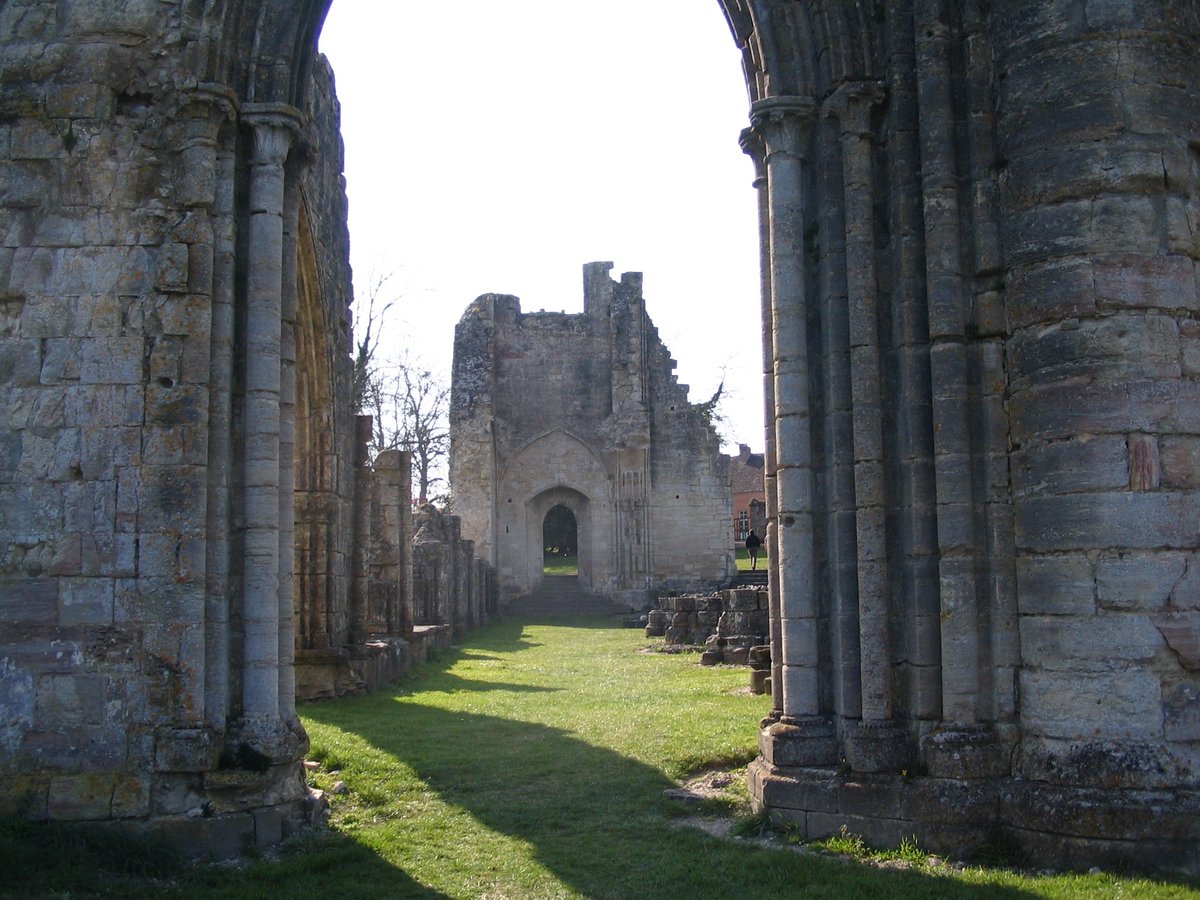

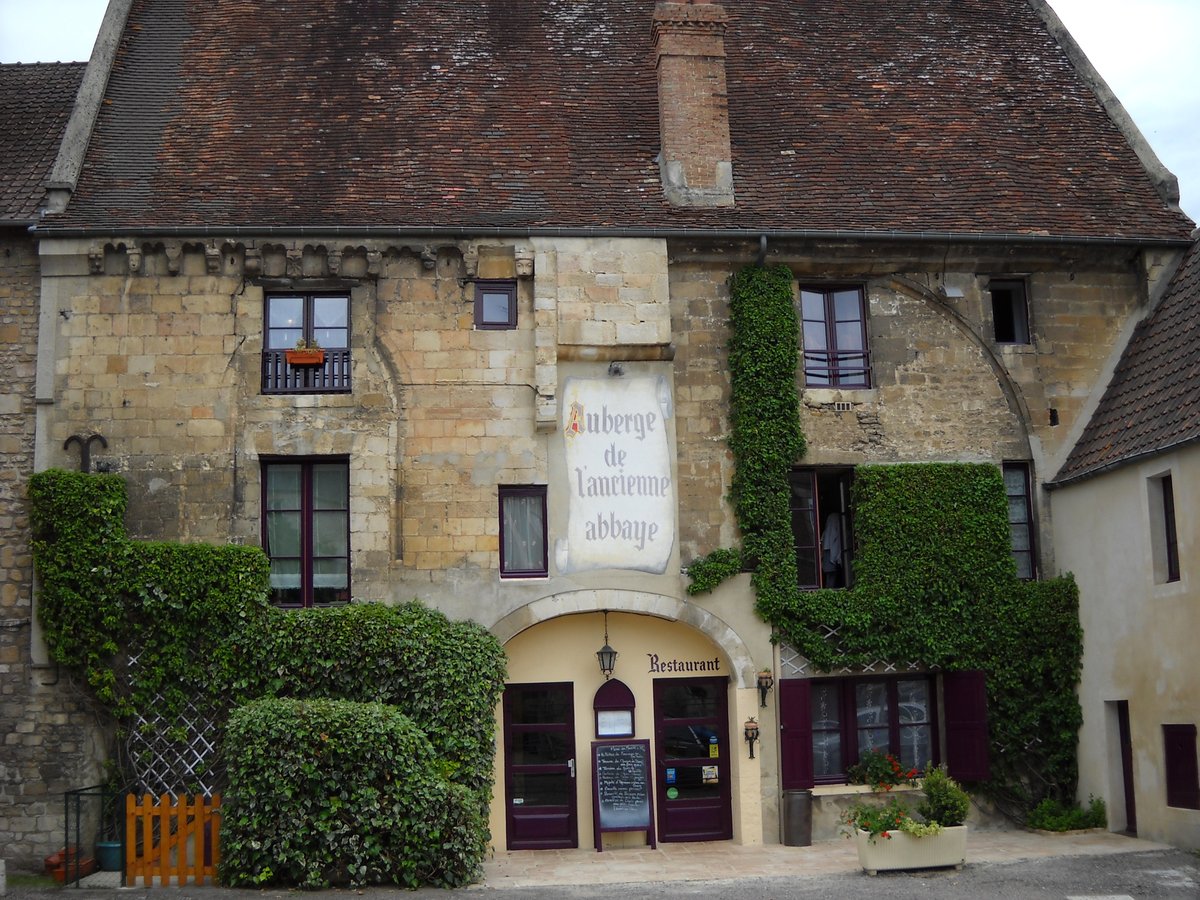
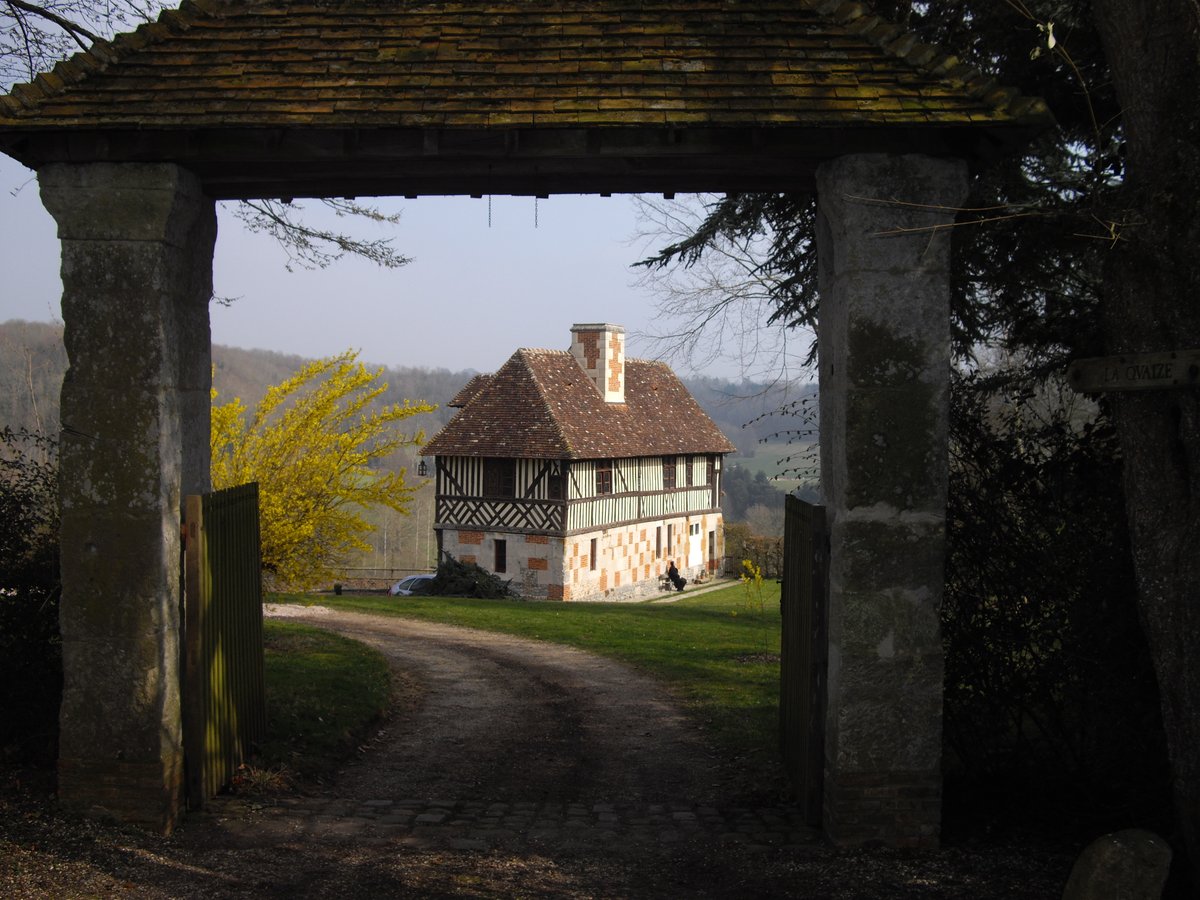
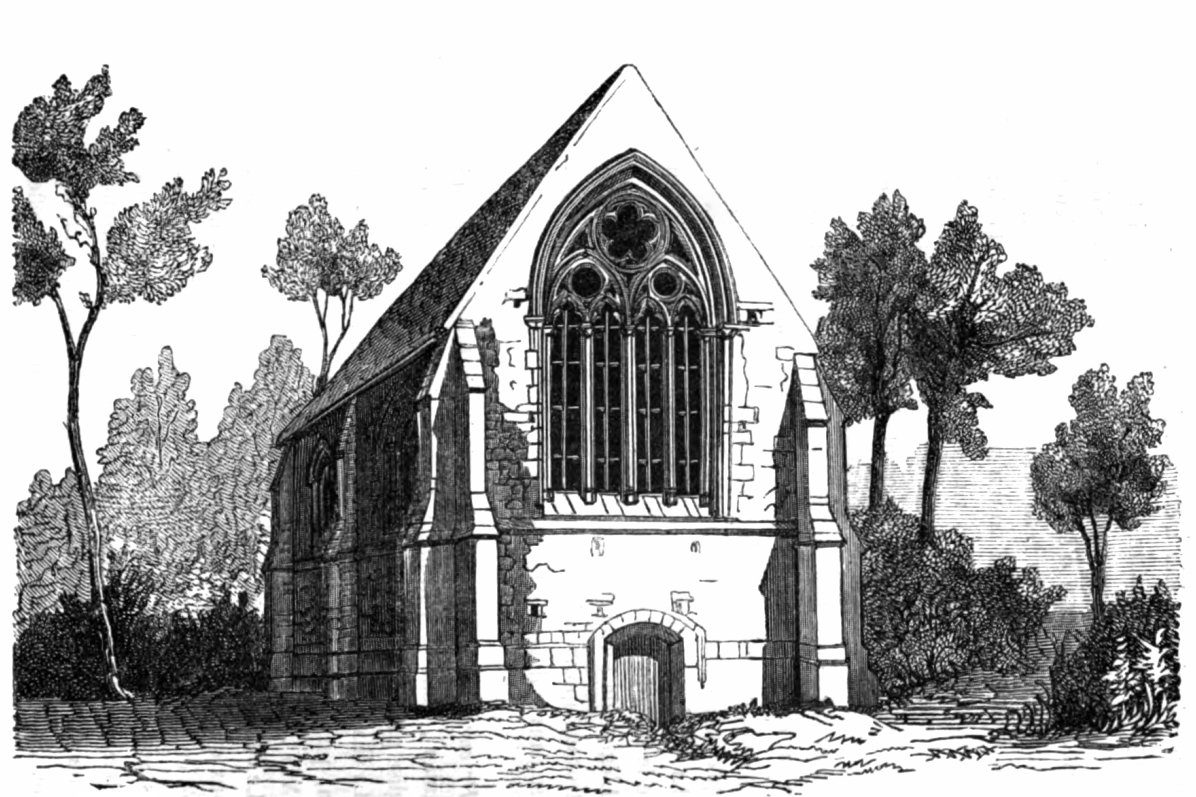
Tracing its roots to the 6th century, the Abbey of Saint-Evroul, set in Normandy, France, was initially a hermitage founded by Évroult. By 567 it had become an abbey dedicated to Saint Peter, with Évroult presiding over as abbot. However, the abbey does not appear in surviving documents until the reign of Charles the Simple, when it is mentioned c. 900 under the name "monasterio que vocatur Uticus." Beginning in the mid-10th century, the abbey fell into disuse for nearly a century due to the campaigns of the Frankish Duke Hugh the Great.
Around the year 1050, the abbey was rebuilt by William Giroie and his nephews, Robert and Hugh de Grandmesnil, with the assistance of both Bec Abbey and Jumièges Abbey. It remained under the patronage of both abbeys as well as the Giroie and de Grandmesnil families throughout the period. The abbey church was dedicated to the Virgin Mary, Saint Peter, and Évroult on 13 November 1099.
Among the abbey's most renowned monks was Orderic Vitalis, who entered the abbey around this time. His Historia ecclesiastica, an important source for the history of the Norman world, includes a history of the abbey. However, during the 14th and 15th centuries, the abbey suffered significantly from conflict, eventually leading to its decline. Saint-Evroul was classified as a Monument historique in 1967.
Sources: Wikipedia, OpenStreetMap, Wikidata, Wikimedia Commons
Written by Nicolo Ciampini
Discuss this with the author and others
No comments yet. Be the first to start the conversation.