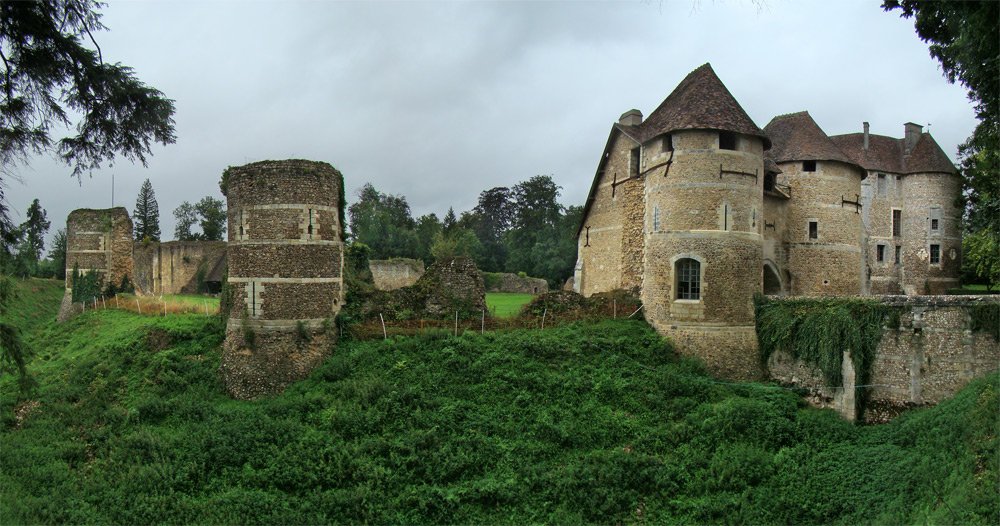

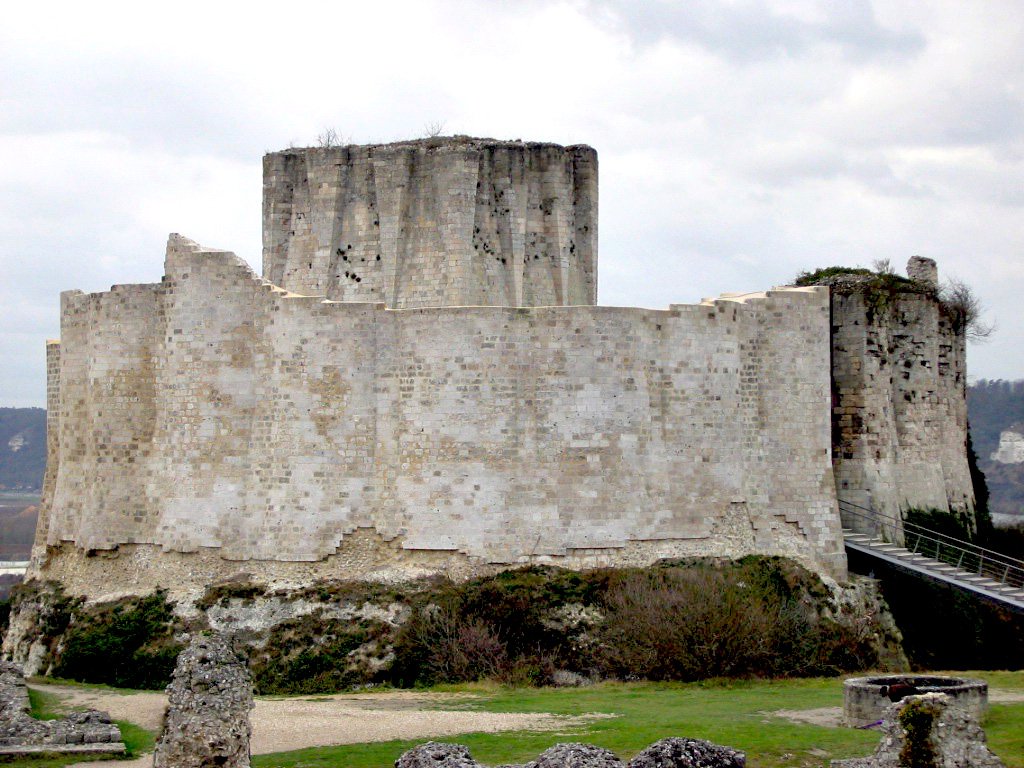
Why does a fortress look like it was intentionally softened? In the 17th century, Marie Françoise de Brancas undertook to refit the medieval fortress to make it more hospitable. She demolished three sides of the polygonal castle to open her apartments to the light. It was a transformation of the castellan architecture - trading military defenses for a more domestic atmosphere.
The castle was built by Robert II d'Harcourt in the 12th century. It stood as a military base during the Hundred Years' War, even surviving an English occupation in 1418. After being partially abandoned and invaded by vegetation following Louis Gervais Delamarre's acquisition in 1802, the site was bestowed to the Royal Academy of Agriculture of France upon his death.
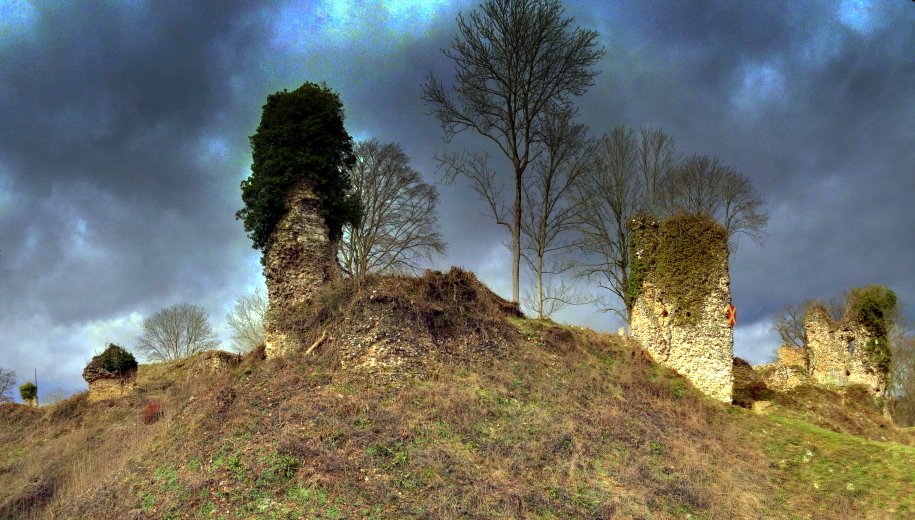
Today, the focus has shifted from warfare to botany. The grounds host the oldest arboretum in France, a collection of trees started by Delamarre. It is a peaceful place to visit, though the castle itself appears truncated today because the top of the keep was levelled to bring it to the same height as the other buildings. The site is currently owned by the council general of Eure.
Sources: Wikipedia, OpenStreetMap, Wikidata, Wikimedia Commons
Written by Nicolo Ciampini
Discuss this with the author and others
No comments yet. Be the first to start the conversation.