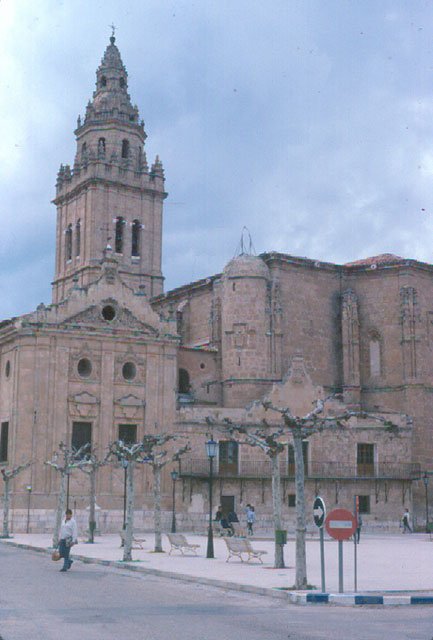

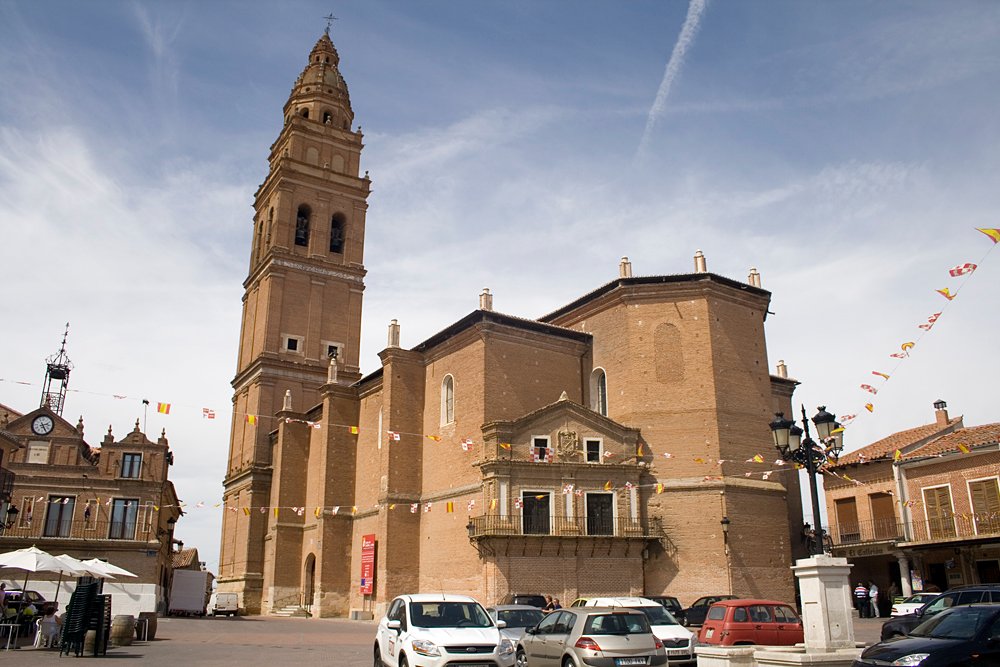
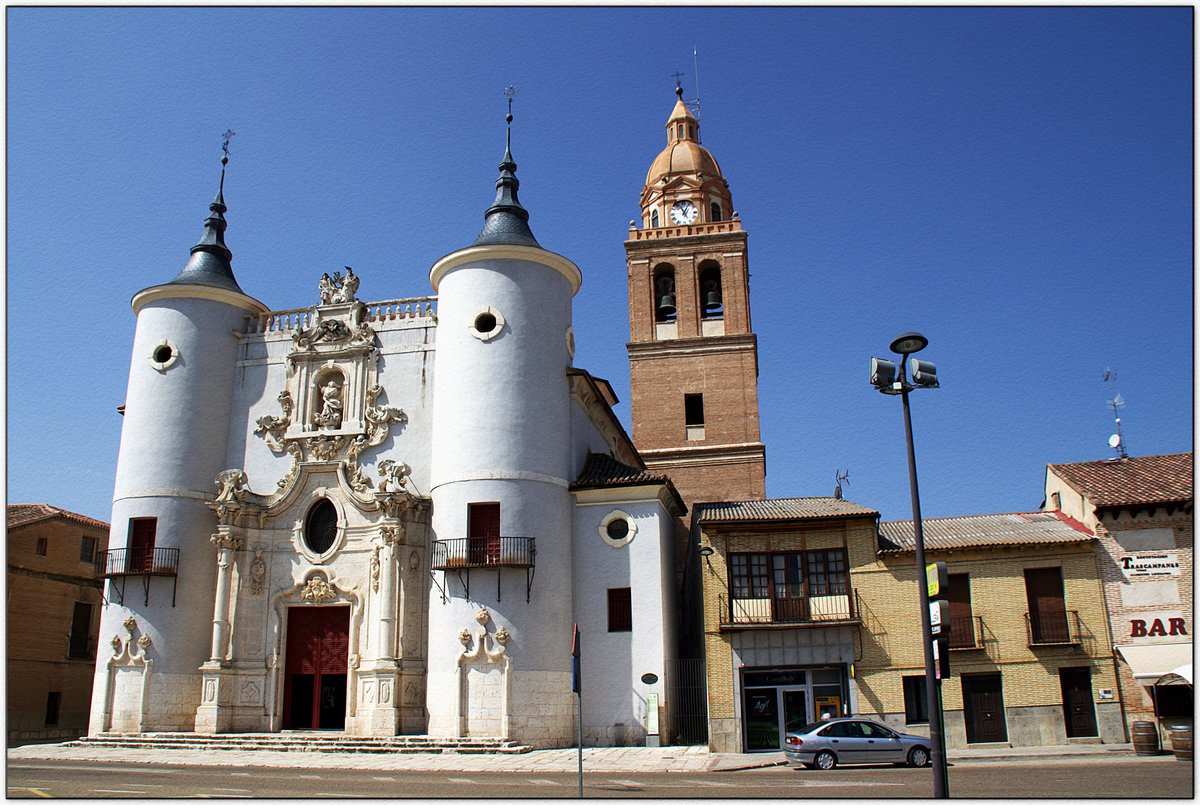
Locals call the Iglesia de los Santos Juanes the "Giralda of Castilla" due to its airy tower, which references the famous tower in Seville. The building dates back to the 16th century and was developed by Rodrigo Gil de Hontañón, who took over construction that was already underway. While Gil de Hontañón's work is realized in the Gothic style, the project was finished in a Classicist style by architects including Felipe de la Cajiga after his death.
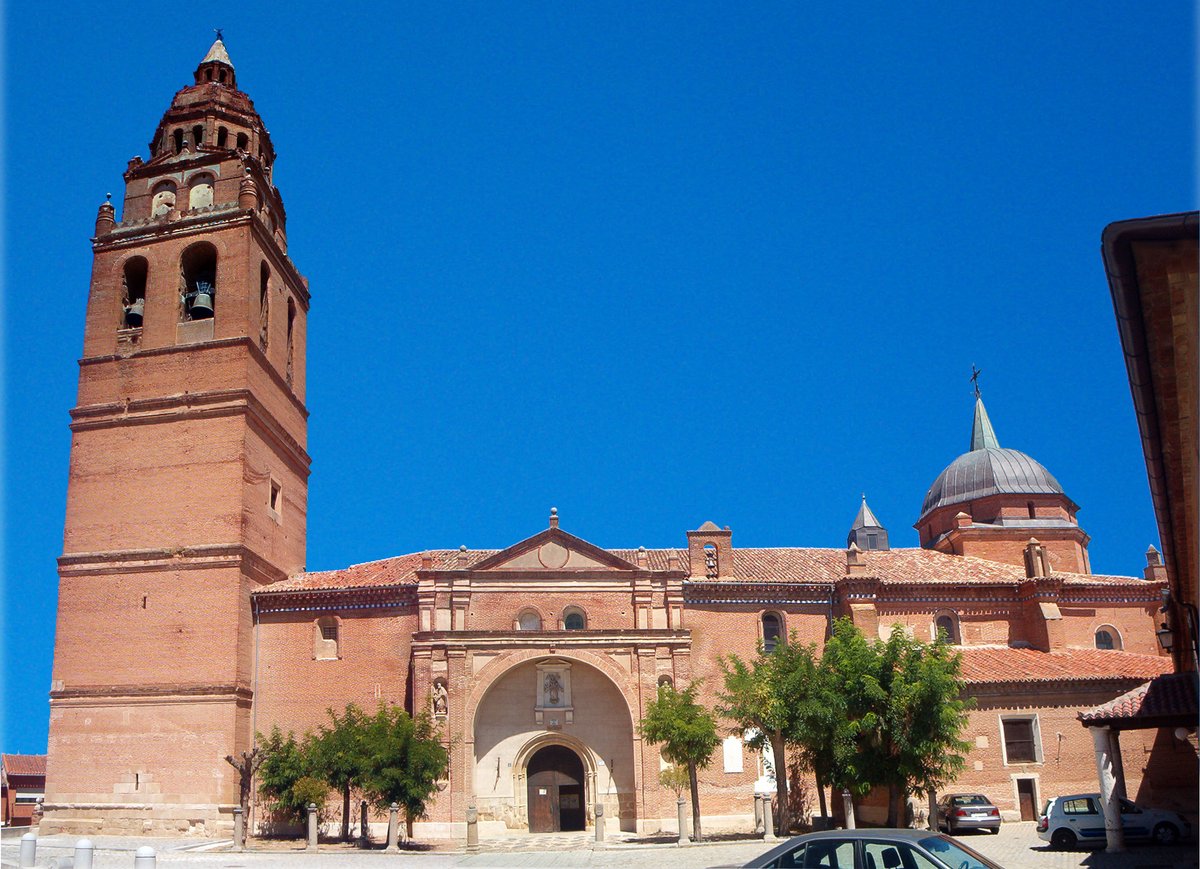
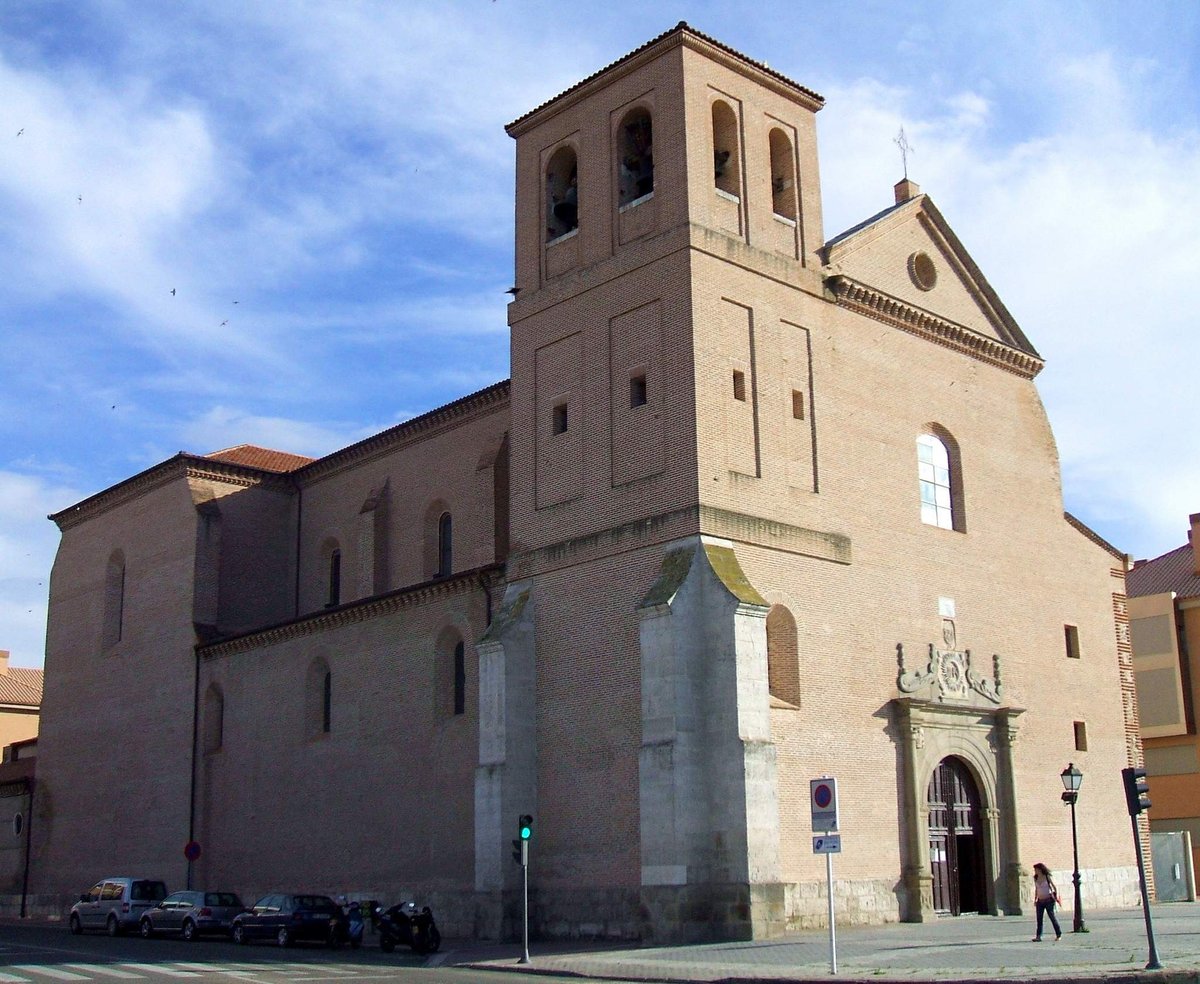
The building features a rectangular floor plan with three naves, which are the primary elements remaining from Gil de Hontañón's proposals. A polygonal apse is covered by Gothic rib vaulting. The exterior is constructed from masonry and brick, and the church features two main doors: one to the North dedicated to Saint John the Baptist and one to the South dedicated to Saint John the Evangelist.
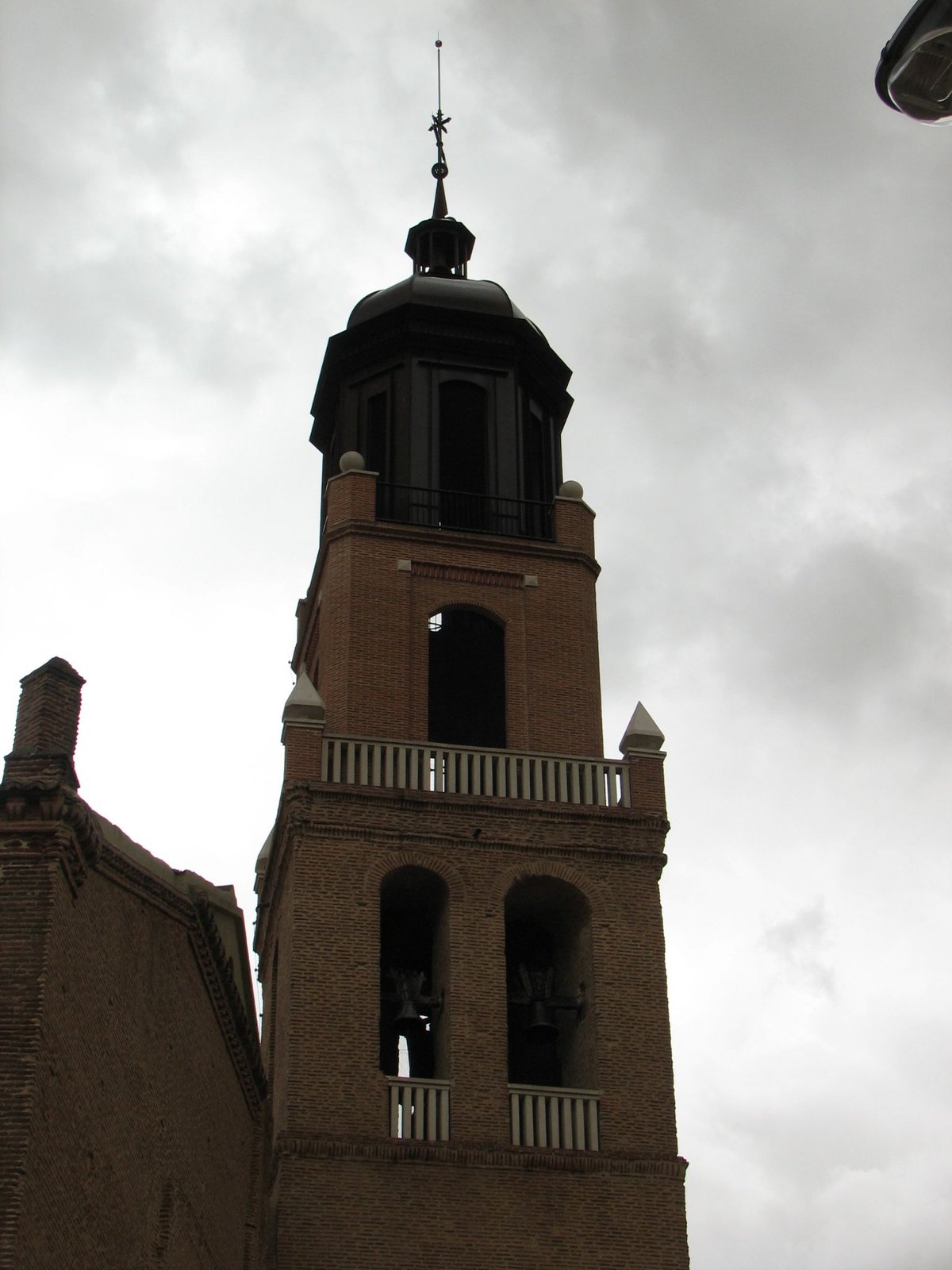
In 1663, the bell tower reportedly sank into the ground, destroying the old choir and other dependencies. A new tower was subsequently built, with construction concluding in the early 18th century. Inside, the sacristy was built in 1733 following the layout of Alberto Churriguera, featuring exuberant decoration on the walls and vaults.
The main altarpiece dates from the beginning of the 17th century and is a Classicist work by Francisco Velázquez, Francisco Martínez, and Gregorio Fernández. It features eight columns in each of its two bodies and depicts the four Evangelists, several reliefs of Christ's baptism and the life of Saint John, and sculptures of prominent saints including Saint Peter, Saint Paul, Saint Andrew, and Saint James. The church has been designated as a Bien de Interés Cultural since June 3, 1931.
Sources: Wikipedia, OpenStreetMap, Wikidata, Wikimedia Commons
Written by Nicolo Ciampini
Discuss this with the author and others
No comments yet. Be the first to start the conversation.