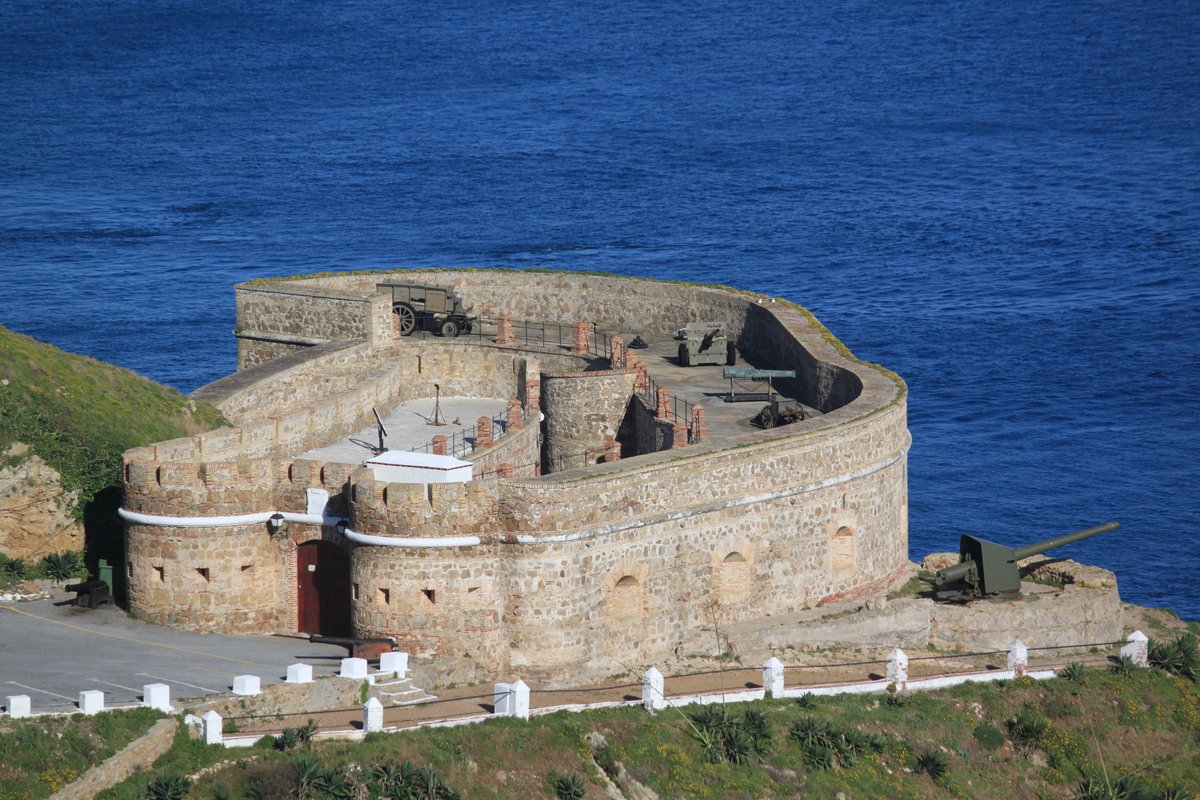

El Desnarigado was an escaped Berber slave from the mines of the Rif to whom his nose had been amputated during his captivity. He escaped with other slaves and reached Portuguese Ceuta, landing on a small beach that also bears his name. They settled on a small hill which served as a hideout for their pirate activities in the Strait of Gibraltar.
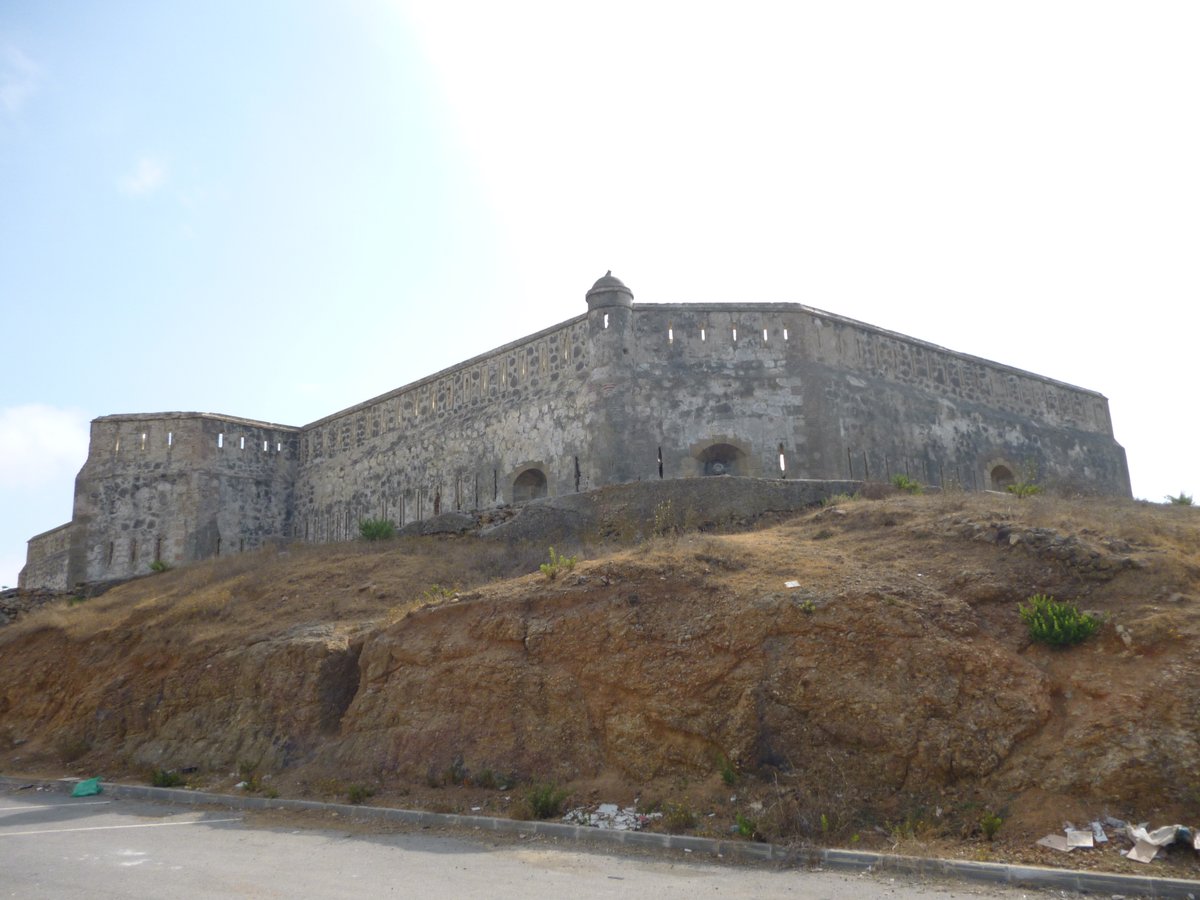
In the late 17th century, a small fort was built on this site, though only little remains of it exist today. The current castle was constructed in the 19th century and consists of a single floor with one front and two side bodies parallel to the coast. Two towers, six meters high and crowned with battlements, flank the gate where a reproduction of the Habsburg monarchy coat of arms is located.
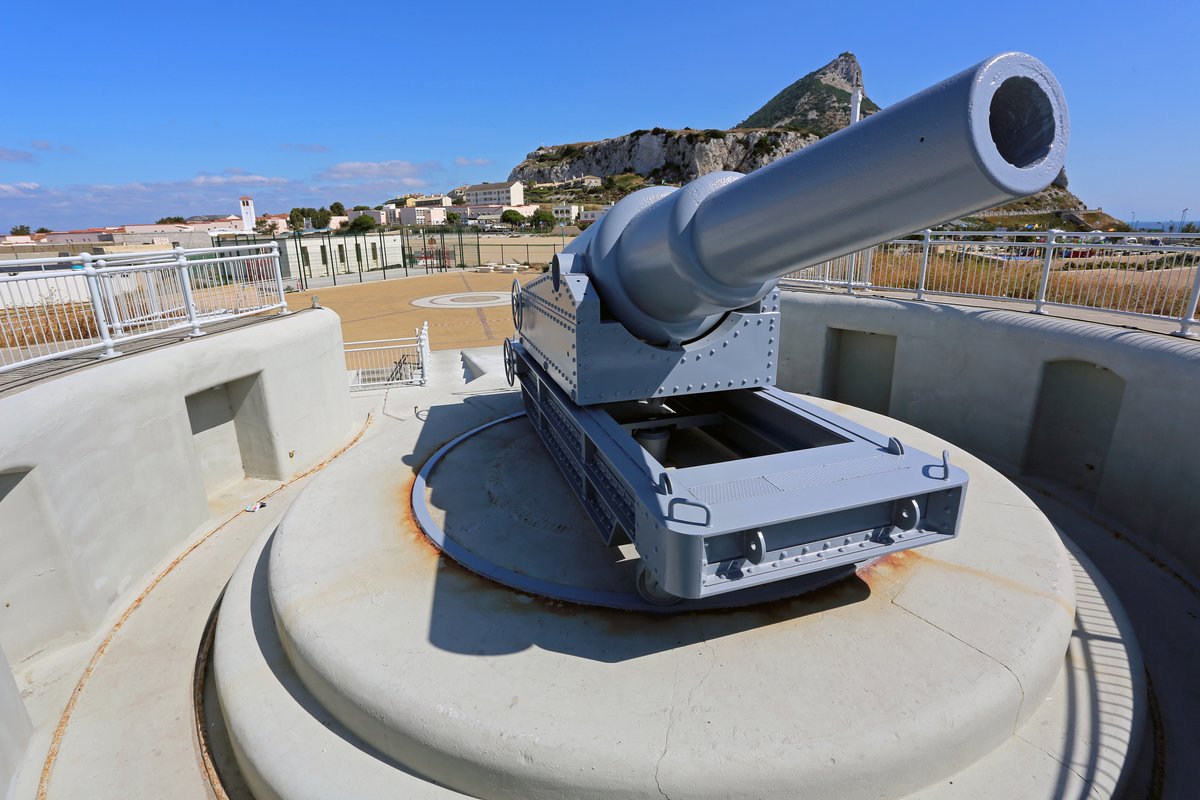
The castle remained active until the beginning of the 20th century, when it was gradually abandoned. It was later rehabilitated and transformed into a military museum, which opened in 1984. The museum now houses various military objects related to the history of Ceuta.
Sources: Wikipedia, OpenStreetMap, Wikidata, Wikimedia Commons
Written by Mutabor
Discuss this with the author and others
No comments yet. Be the first to start the conversation.