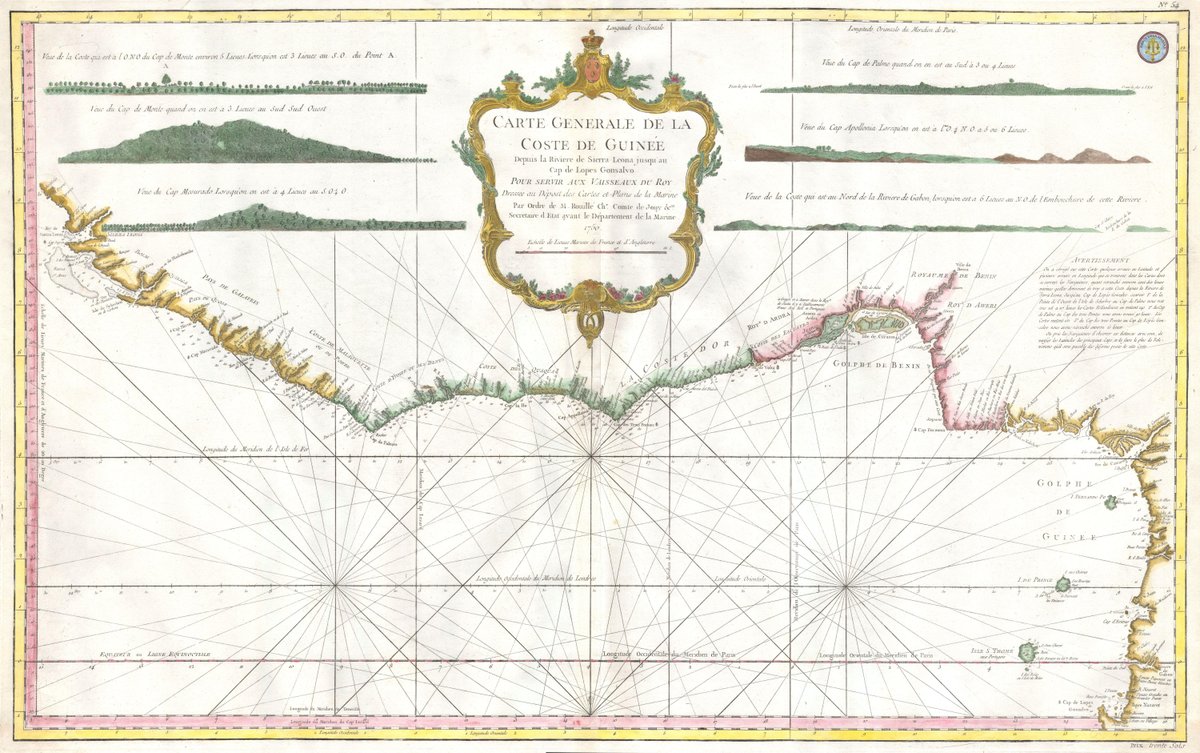

In 1480, Ginuwa, a prince of the royal house of the Kingdom of Benin, founded the Kingdom of Warri in the western Niger Delta. Known as the Iwere Kingdom or the Land of Iwere, the monarchy was established by this dynasty. At its height, the sovereign was described as owning not only both banks of the Benin river but also all the rivers of these parts as far as the tributaries of the Calabar.
By the early 17th century, the royal court became a crossroads of international connection. A son of the reigning Olu was sent to Portugal and returned with a Portuguese wife; their son, Antonio Domingo, became Olu of Warri in the 1640s. While the realm grew wealthy from palm products, cocoa, and groundnuts, it also served as a base for Portuguese and Dutch slave traders, with Itsekiri merchants acting as intermediaries in Atlantic commerce.
War was waged upon the water by a naval force that, by the late 18th century, used vessels with simple sails and shields for protection. In the early 19th century, the King's canoes featured seven blunderbusses mounted in a series on a swivel to fire simultaneously. Though the monarchy entered a long interregnum following the death of Olu Akengbuwa in 1848, it was restored under colonial rule in 1936.
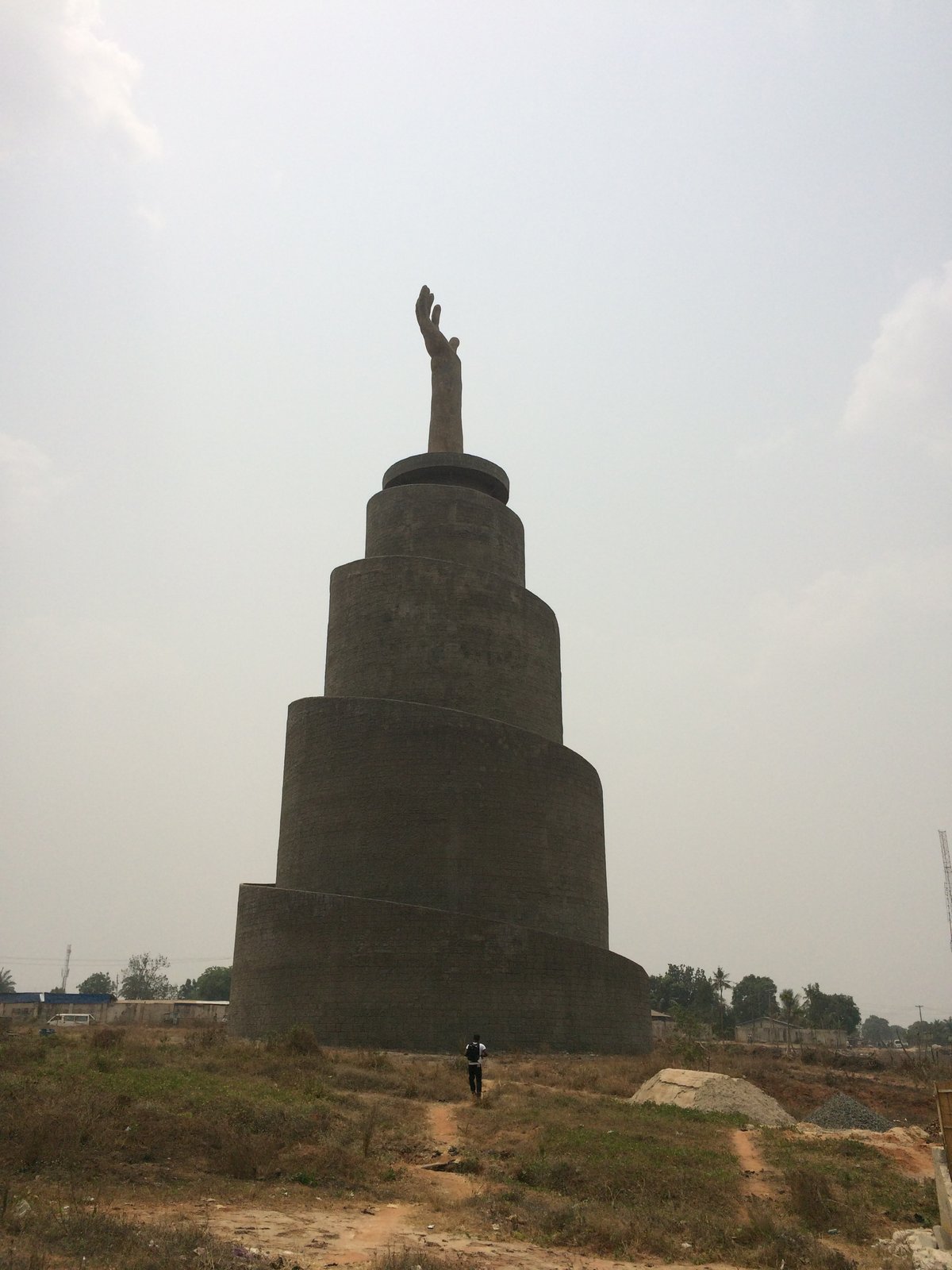
Today, the palace stands on Ajamimogha Road in the heart of the city of Warri. It remains the throne of the Olu, the traditional ruler of the Land of Iwere. The current ruler, Ogiame Atuwatse III, was crowned on 21 August 2021 to carry forward a story that began five centuries ago.
Sources: Wikipedia, OpenStreetMap, Wikidata, Wikimedia Commons
Written by Mutabor
Discuss this with the author and others
No comments yet. Be the first to start the conversation.