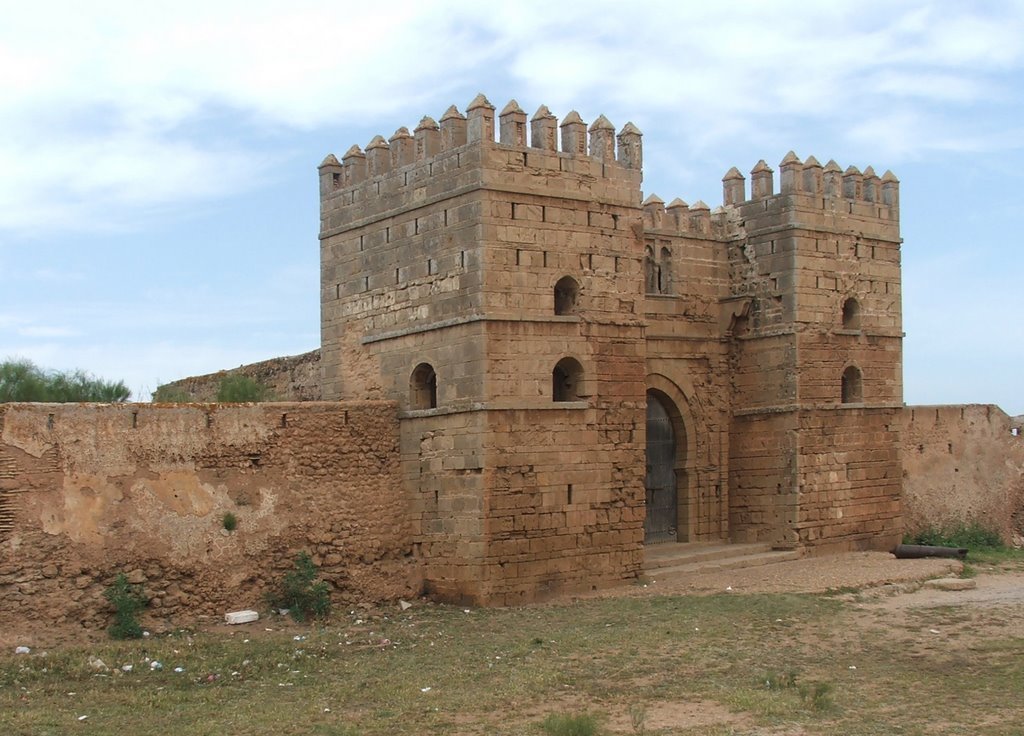

In the lands of Morocco stands a grand fortress by the sea. This citadel is nestled on the shores of the Sebou River, where the water flows through the Atlas Mountains and reaches inland areas such as Fez. In the 12th century, the Almohad Sultan Abd Al-Mu'min established a dock and a fort at this strategic location, using high quality woods from the neighboring forest. The town of Mehdya grew around the site, serving as a resource center for trade with Europe until the 16th century.
The Portuguese captured the area in 1515, though their occupation lasted only some weeks. By the 17th century, the site was used as a hub for piracy before the local authority was occupied by Spain. The Spanish constructed the La Mamora fortress and San Felipe baston fort in 1614 on the rocks overlooking the river mouth. This citadel wall became the basis for the structure that remains today.
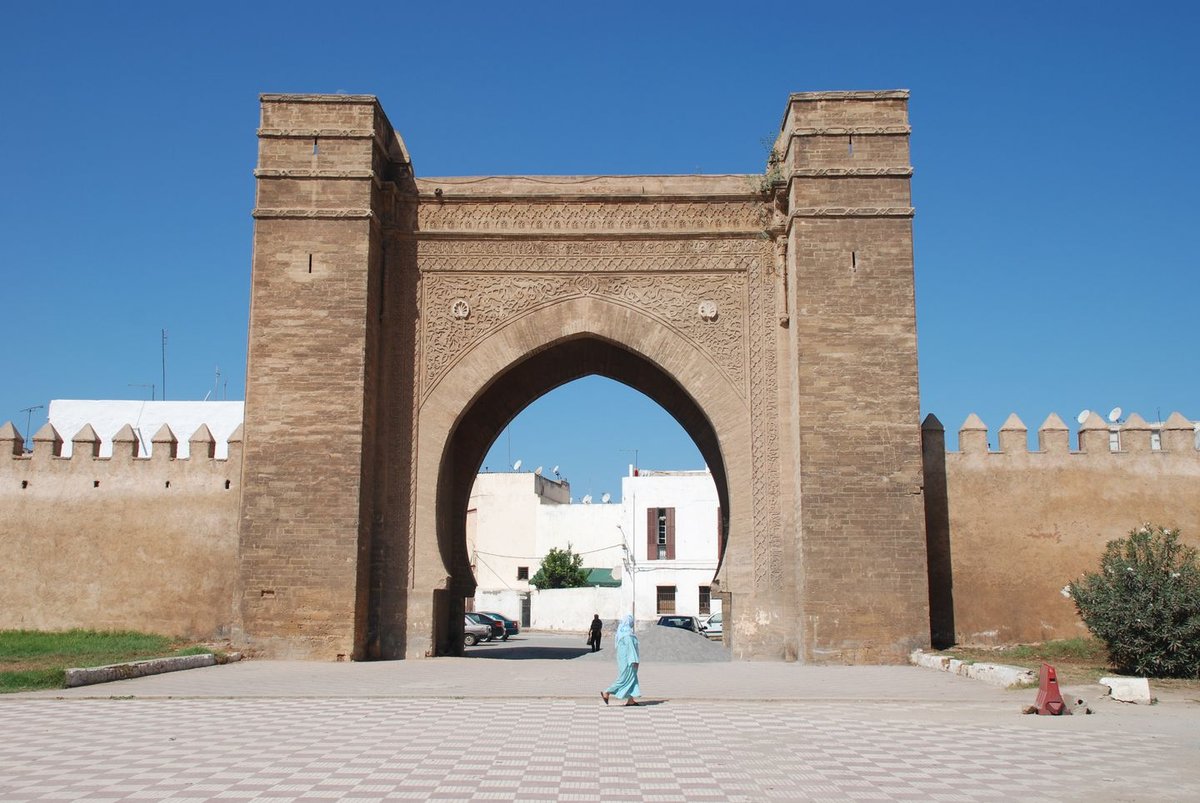
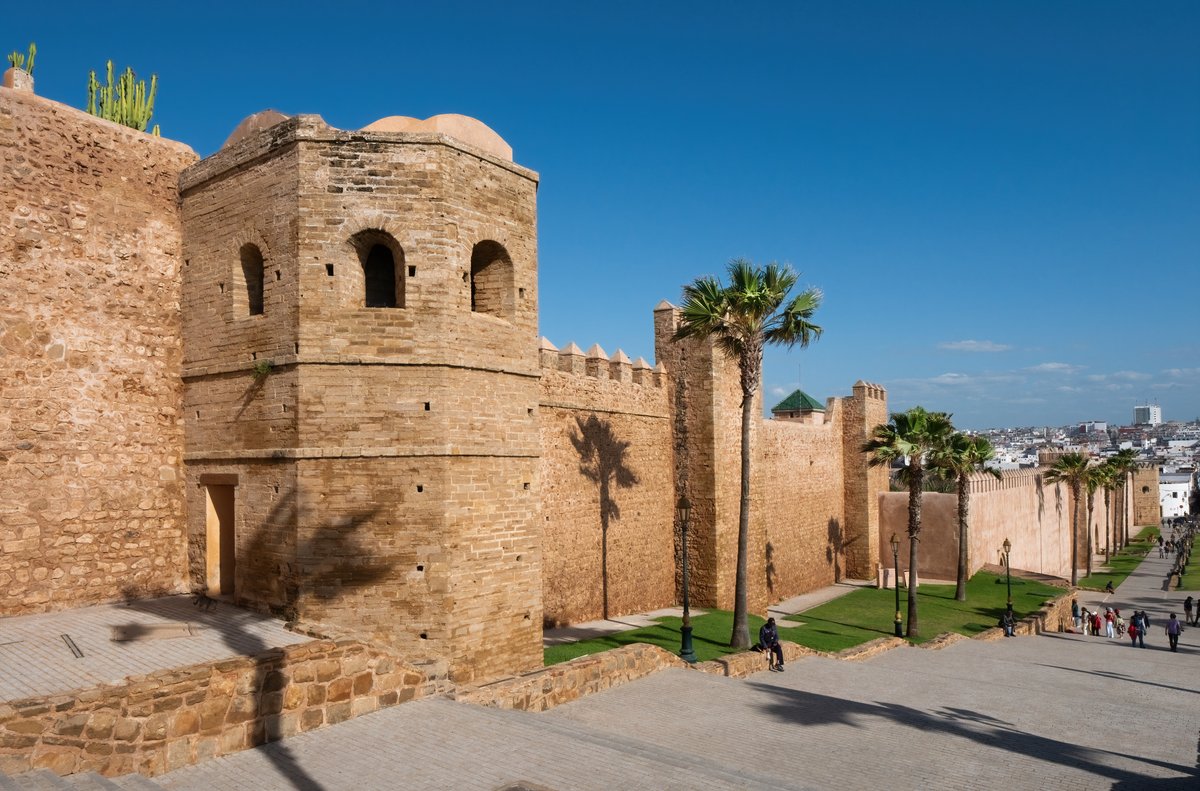
In 1681, the Alaouite Sultan Ismail Ibn Sharif recovered the area and gave the kasbah its current name. He carried out a full-scale reconstruction, building an administration building, a mosque, barracks, and a madrasa. He restored the broken citadel walls and constructed the monumental entrance gate, Bab al-Jadid. After the harbor was closed to secure Kenitra in the late XVIII century, the kasbah was abandoned. It was later damaged during the Battle of Port Lyautey in World War II.
Sources: Wikipedia, OpenStreetMap, Wikidata, Wikimedia Commons


Written by Mutabor
Discuss this with the author and others
No comments yet. Be the first to start the conversation.