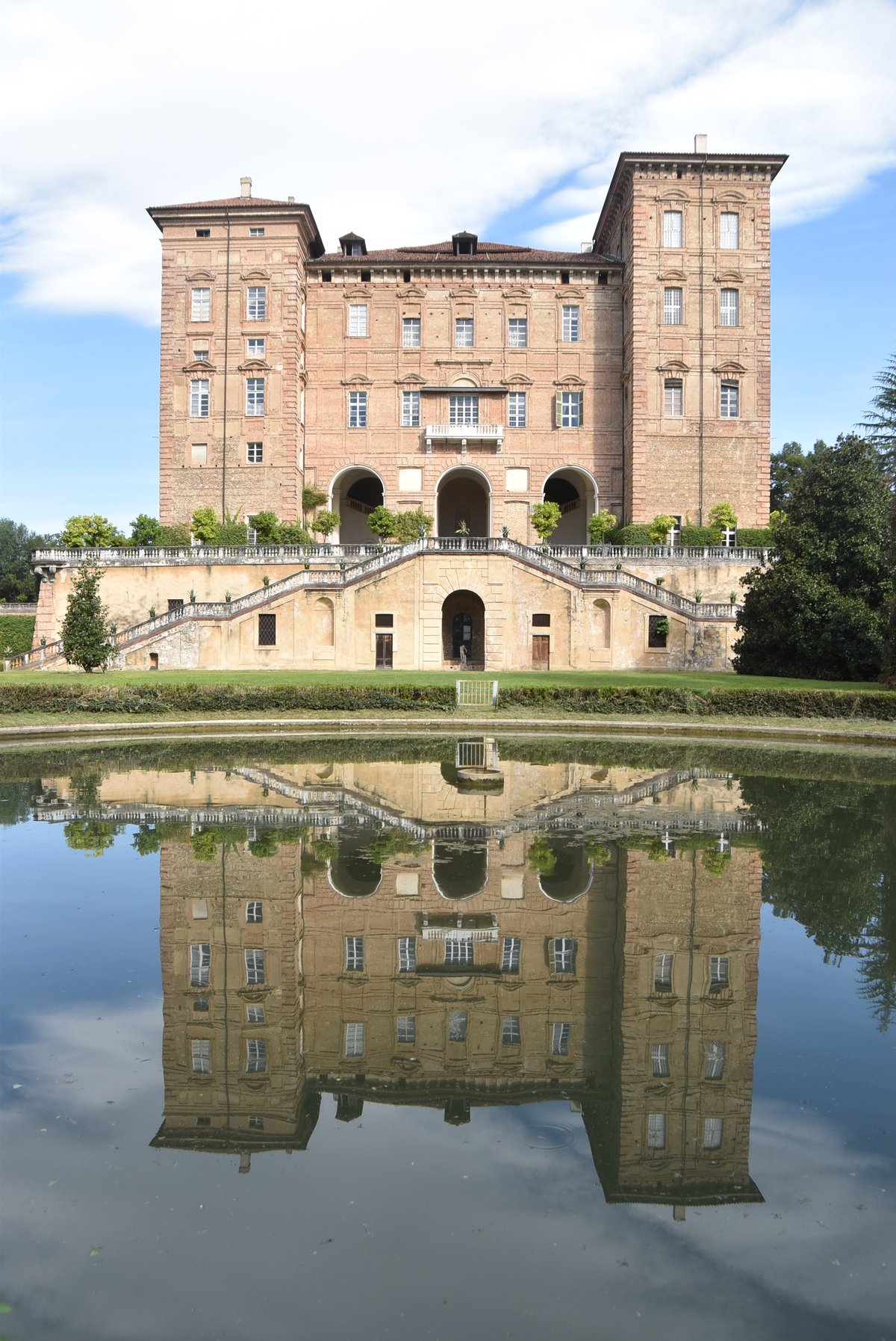

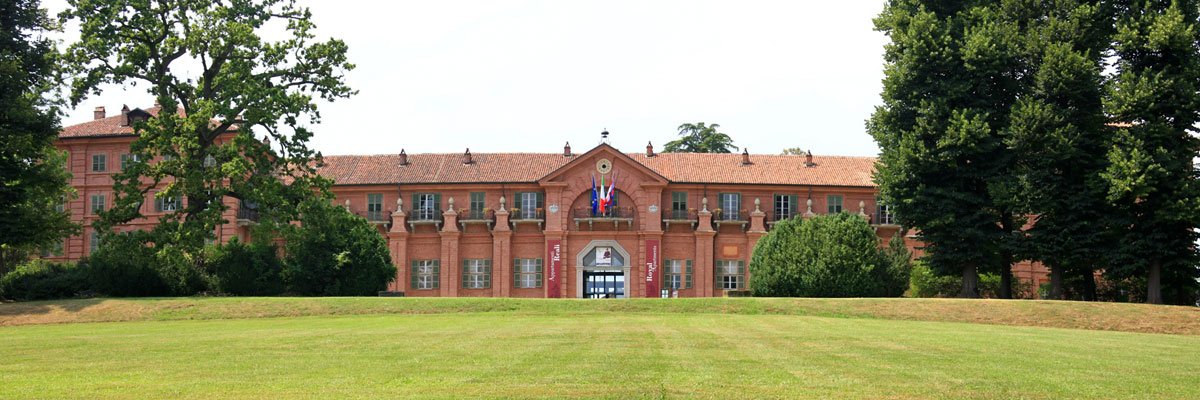
During the Second World War, the Italian state chose the Castello ducale di Agliè as a place to shelter art and artifacts from Turin's museums, galleries and cathedrals. The castle served as a sanctuary to prevent these items from being damaged or lost during the conflict.
The castle evolved significantly from its 16th-century appearance as a medieval fortress with a central keep and a moat. Following the purchase by the House of Savoy in 1764, the architect Ignazio Renato Birago di Borgaro renovated the property. These works included the creation of spacious apartments and the construction of a parish church connected to the castle by a two-story gallery.
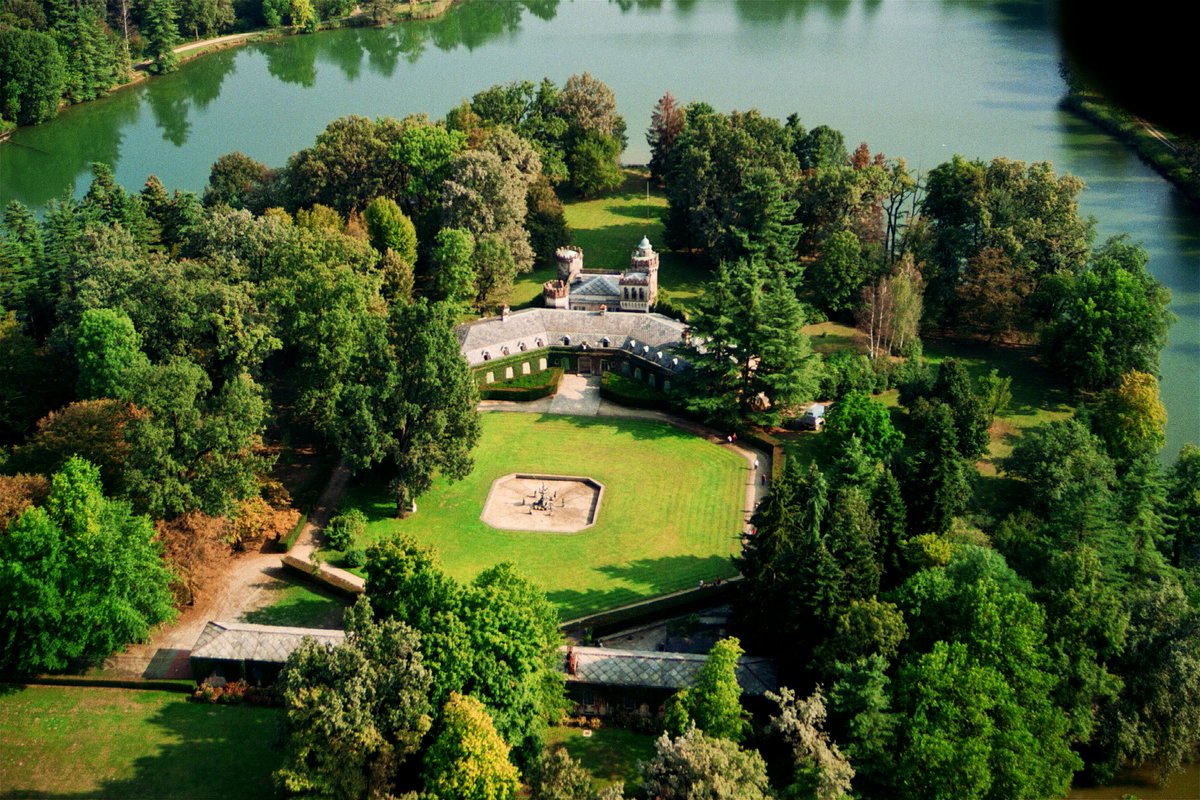
In the 1830s and 1840s, the landscape underwent a dramatic transformation. Under the direction of German architect Xavier Kurten, the Italian-style garden was turned into a romantic landscape. This period of renovation included the creation of a large lake and a smaller pond, which shifted the atmosphere of the grounds.
Today, the castle is a UNESCO World Heritage Site in Agliè. Nearby, the Ozegna railway station features a cast-iron canopy and a small royal waiting room that was reserved for the Dukes of Genoa when they wished to visit the castle. The station remained in operation until 1986.
Sources: Wikipedia, OpenStreetMap, Wikidata, Wikimedia Commons
Written by Nicolo Ciampini
Discuss this with the author and others
No comments yet. Be the first to start the conversation.