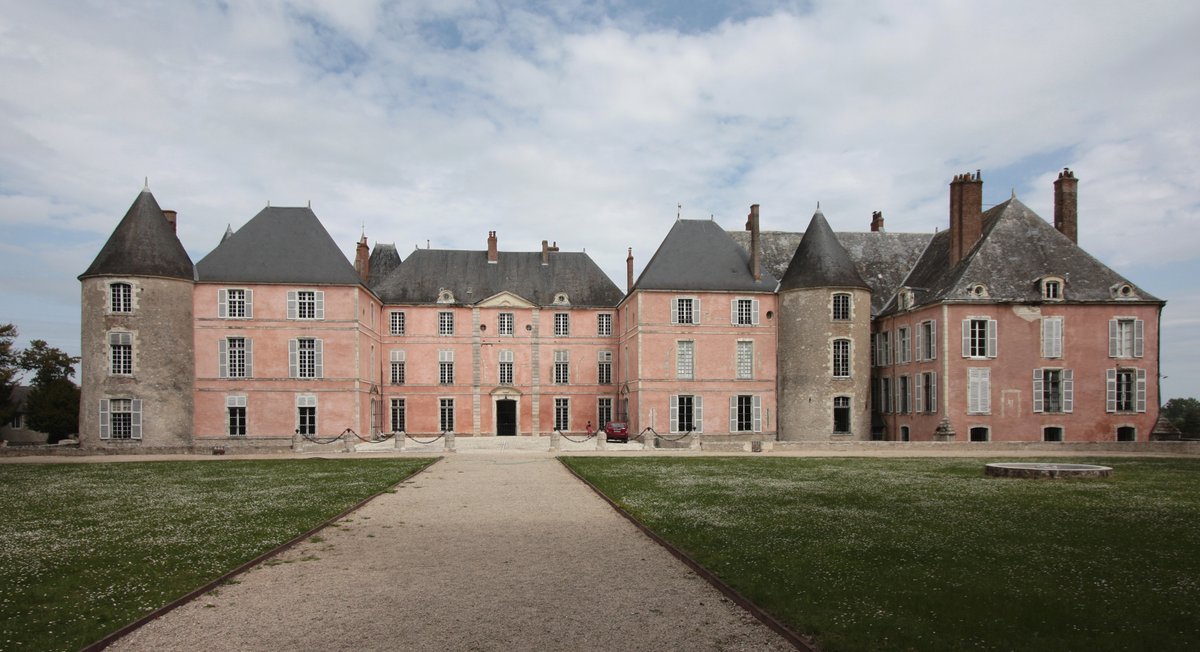

Why would a poet spend his time in a dungeon? In 1461, François Villon was detained in the castle as part of the episcopal justice system. He stayed there until October 1461, when King Louis XI, passing through Meung, granted a general pardon. You can still feel the chill today; the underground galleries house grim evidence of that era, where old cells and medieval torture instruments, including one used for water torture, lurk in the shadows.
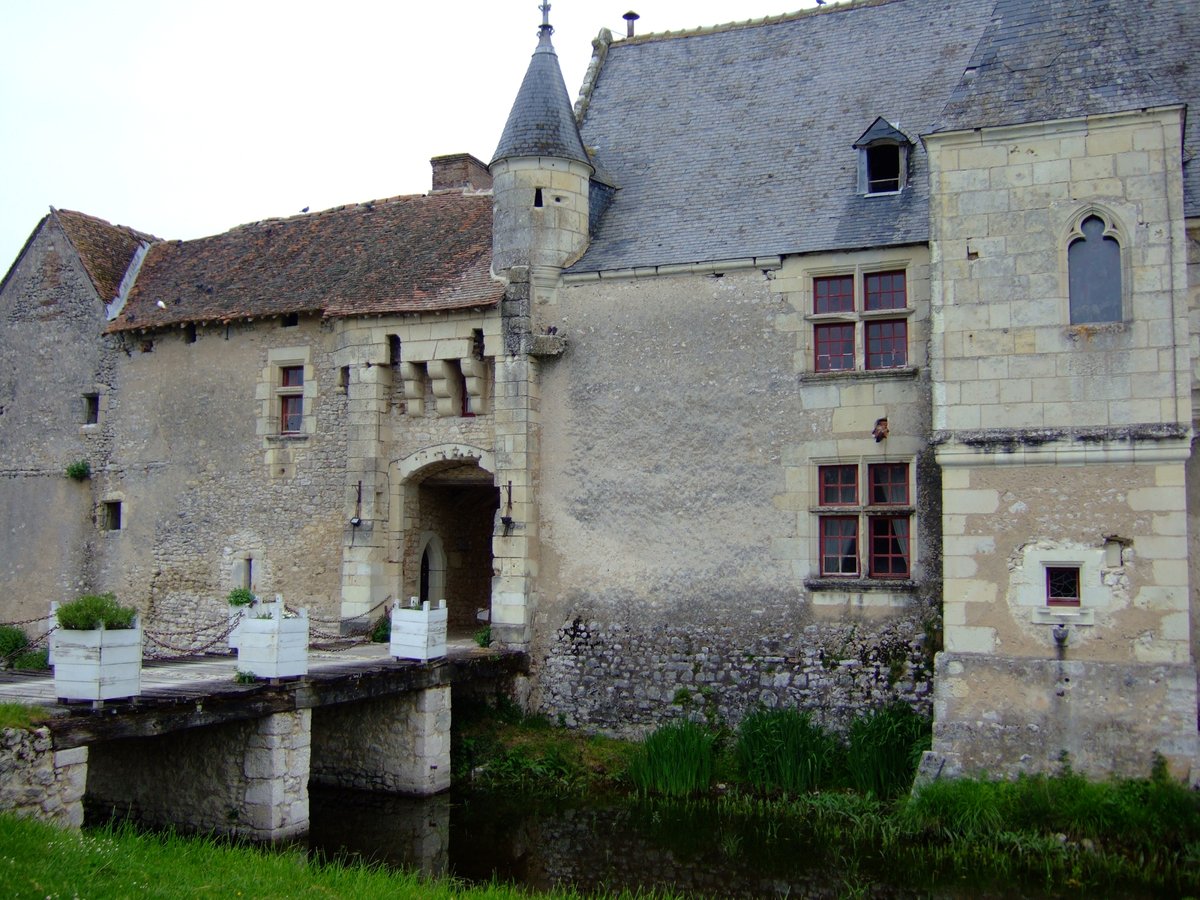
Is it not a bit of a split personality? One side of the Château de Meung-sur-Loire faces the town with a fortified medieval face full of round towers. The other side is all about 18th-century luxury, featuring large window bays and rendered walls painted an oxblood red. It is one of the relatively few painted châteaux in France, showing what happens when a bishop wants to turn a fortress into a residence of pleasure.
What awaits you today? You can walk through over 25 rooms filled with 2,000 objects. You can view the neoclassical chapel from 1784 and wander the seven-hectare park where artificial rivers still trace the old English style. It is a unique mix of heavy history and high fashion.
How do you get inside? The castle has been open to the public since the second half of the 20th century. It is located in the centre of the town of Meung-sur-Loire, about 500 metres north of the right bank of the Loire.
Sources: Wikipedia, OpenStreetMap, Wikidata, Wikimedia Commons
Written by Nicolo Ciampini
Discuss this with the author and others
No comments yet. Be the first to start the conversation.