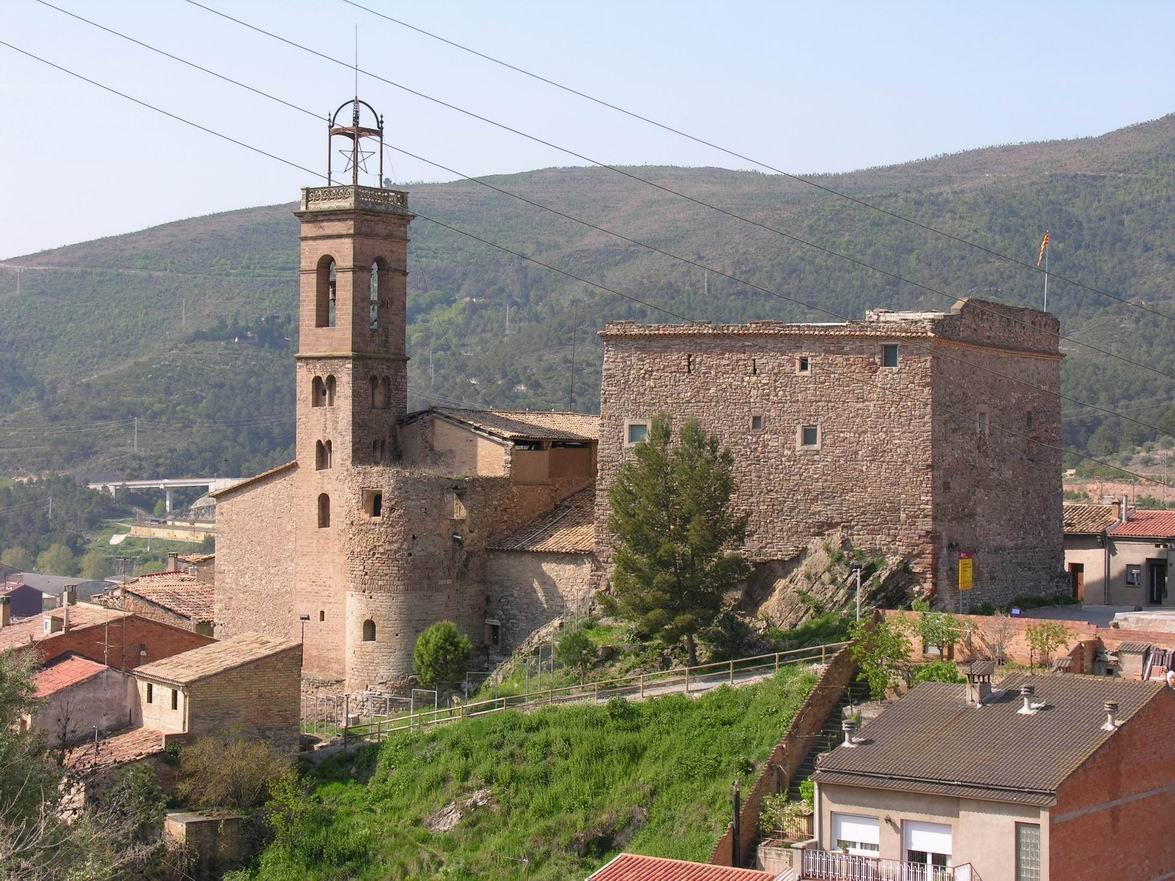

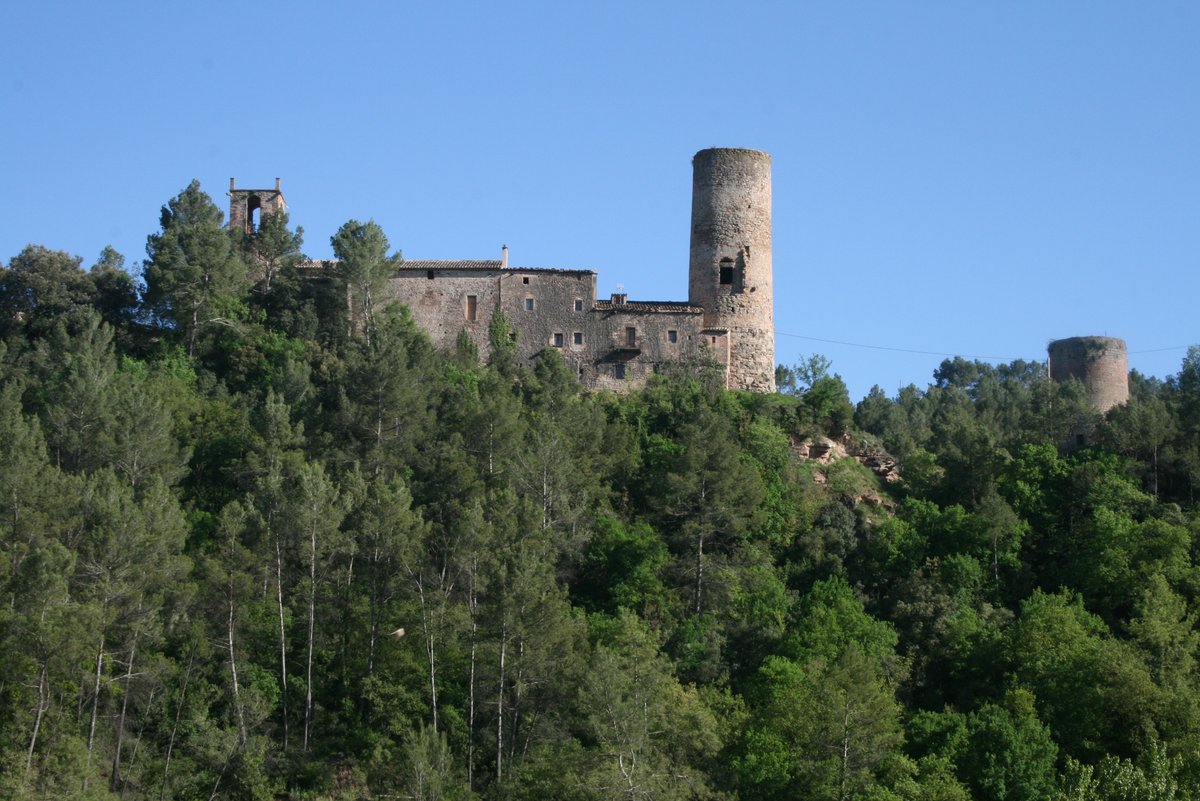
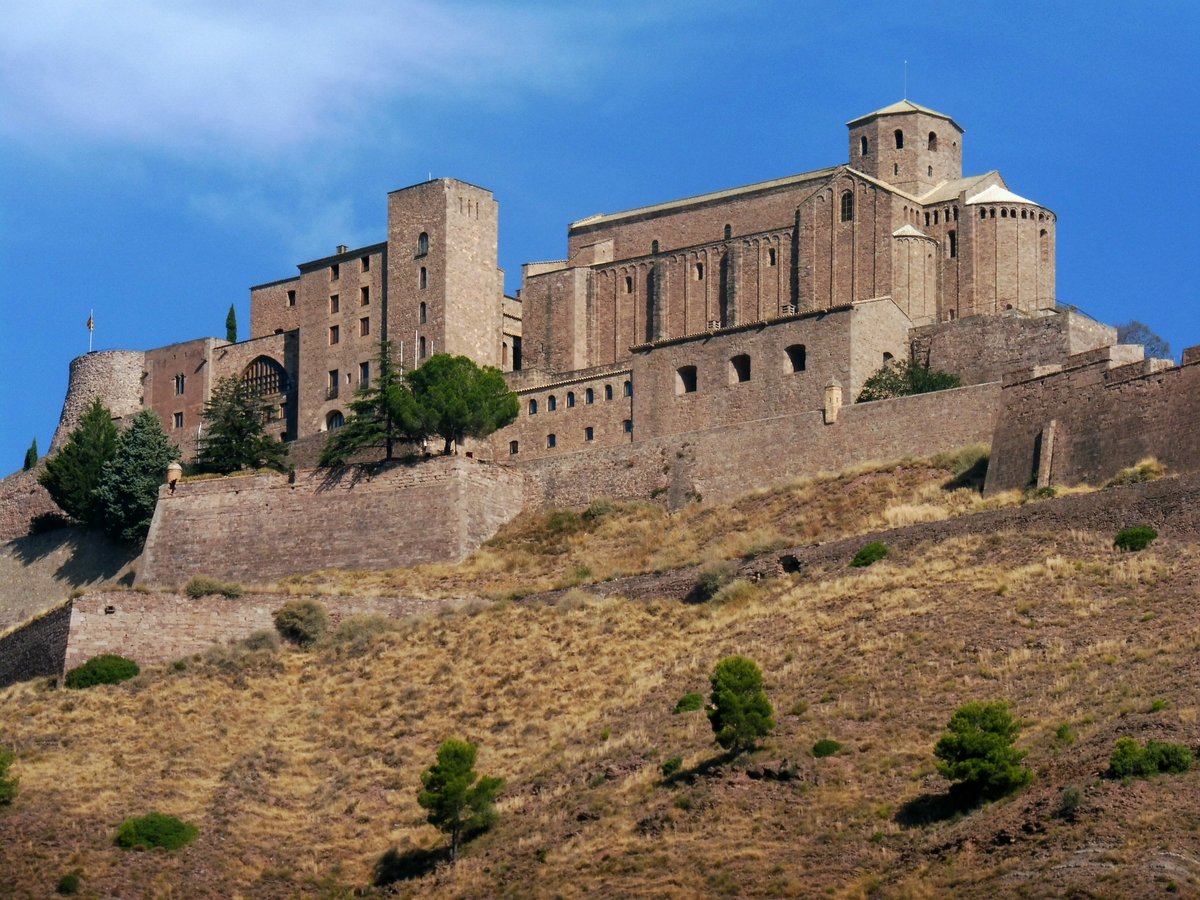
We invite you to look closer at the origins of the Castell de Súria. This structure rose as a defensive boundary starting as a watchtower in the 10th century. Its core purpose was to protect the road between Manresa and Cardona. This geographical advantage sparked long-standing friction between Barcelona and Cardona until the fortress joined the Cardona domain in 1314.
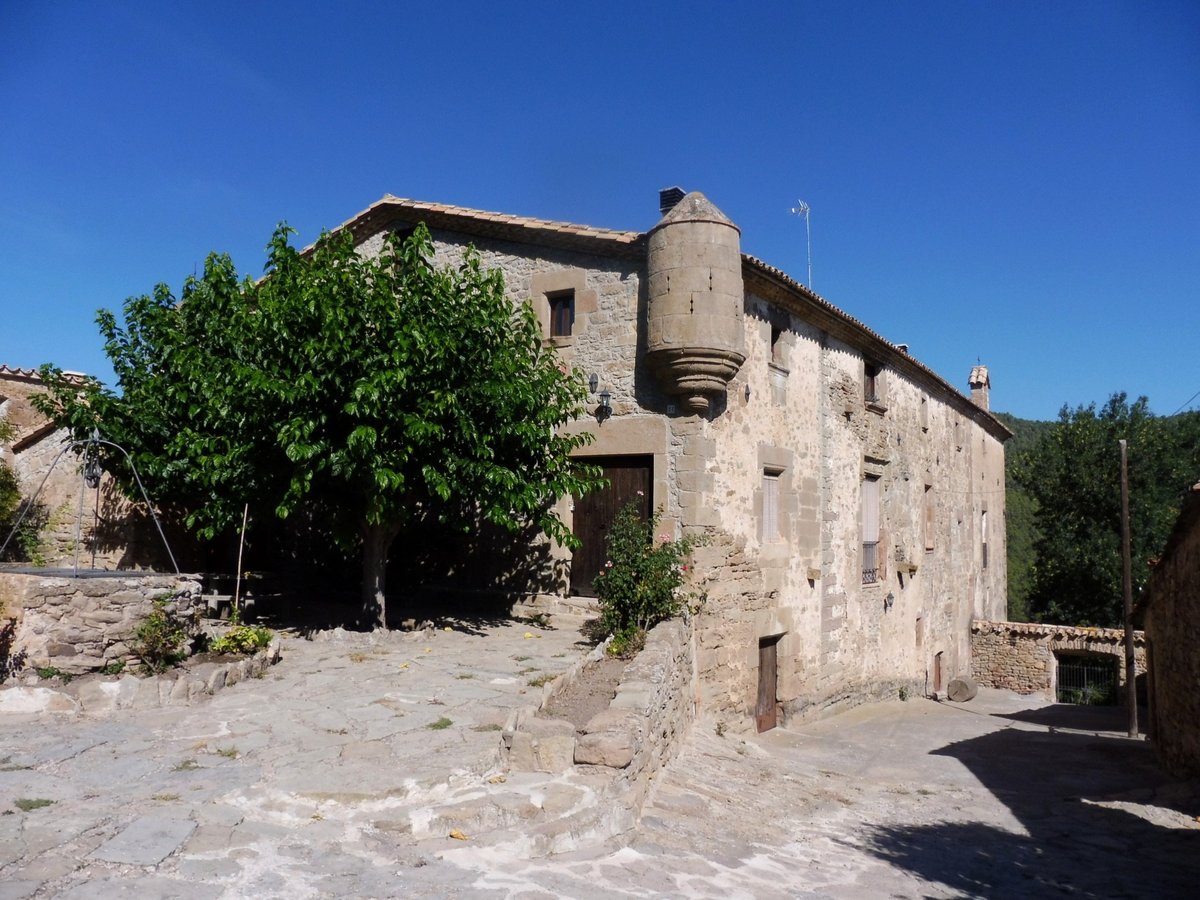
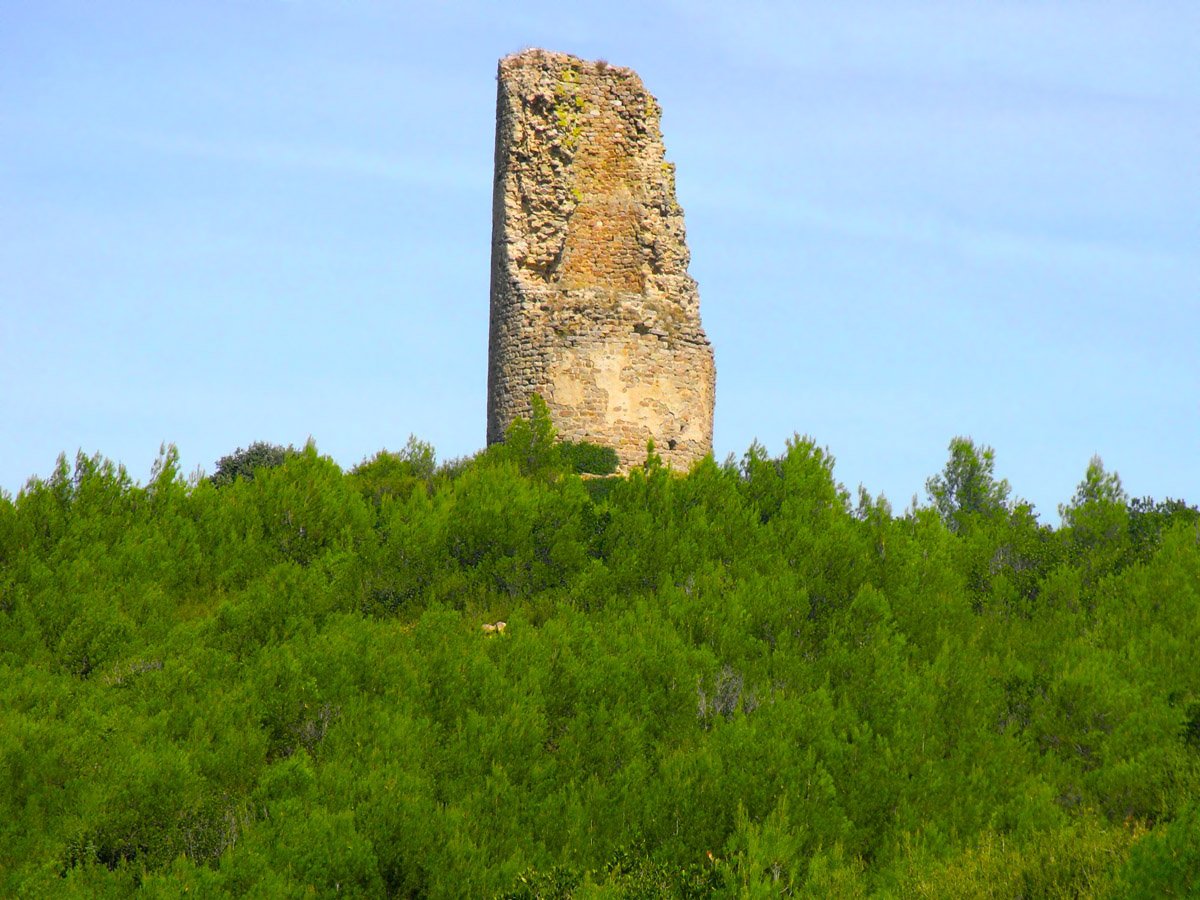
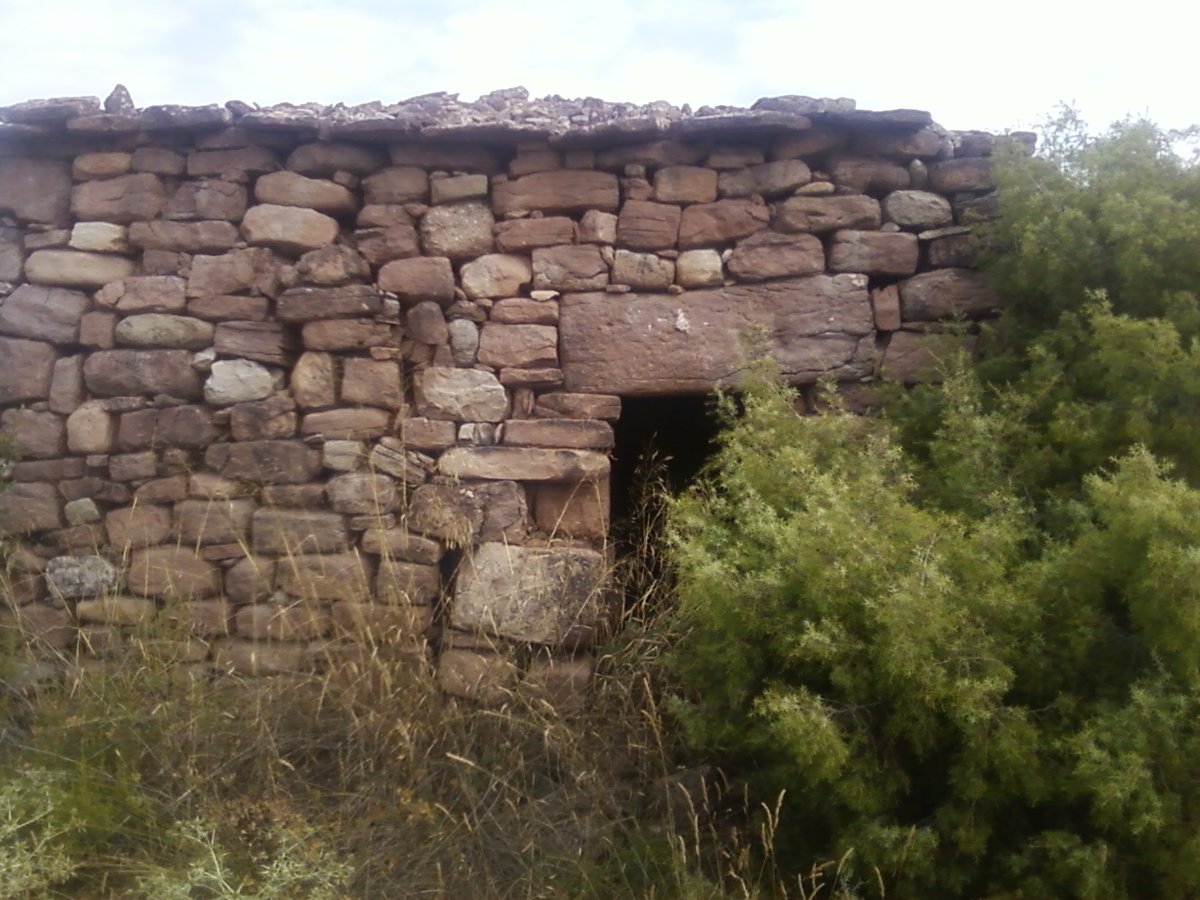
Observe the architectural layers revealed in the stone. Although much of the exterior was shaped during the 12th and 14th centuries, the 12th-century torre de l'homenatge remains located inside the building. You can investigate the masonry of this narrow prism, where stones were hammered into horizontal rows. Notice the internal vault made of slabs like an open book and the use of rubble and earth instead of lime mortar.
The history of this site invites deeper inquiry into its many roles. It provided a home for castellans and even functioned as a telegraph station in the mid 20th century. By the 20th century, its utility shifted again as it housed a public school and served as a jail and other municipal services.
Today, you can experience this heritage firsthand as a visitor center. You can contact the tourism office in the old town to coordinate your journey. As you walk the grounds, take a moment to study how the church of Nostra Senyora del Roser merges into the castle walls to form a fortified curtain on the eastern side.
Sources: Wikipedia, OpenStreetMap, Wikidata, Wikimedia Commons
Written by Nik Frost
Discuss this with the author and others
No comments yet. Be the first to start the conversation.