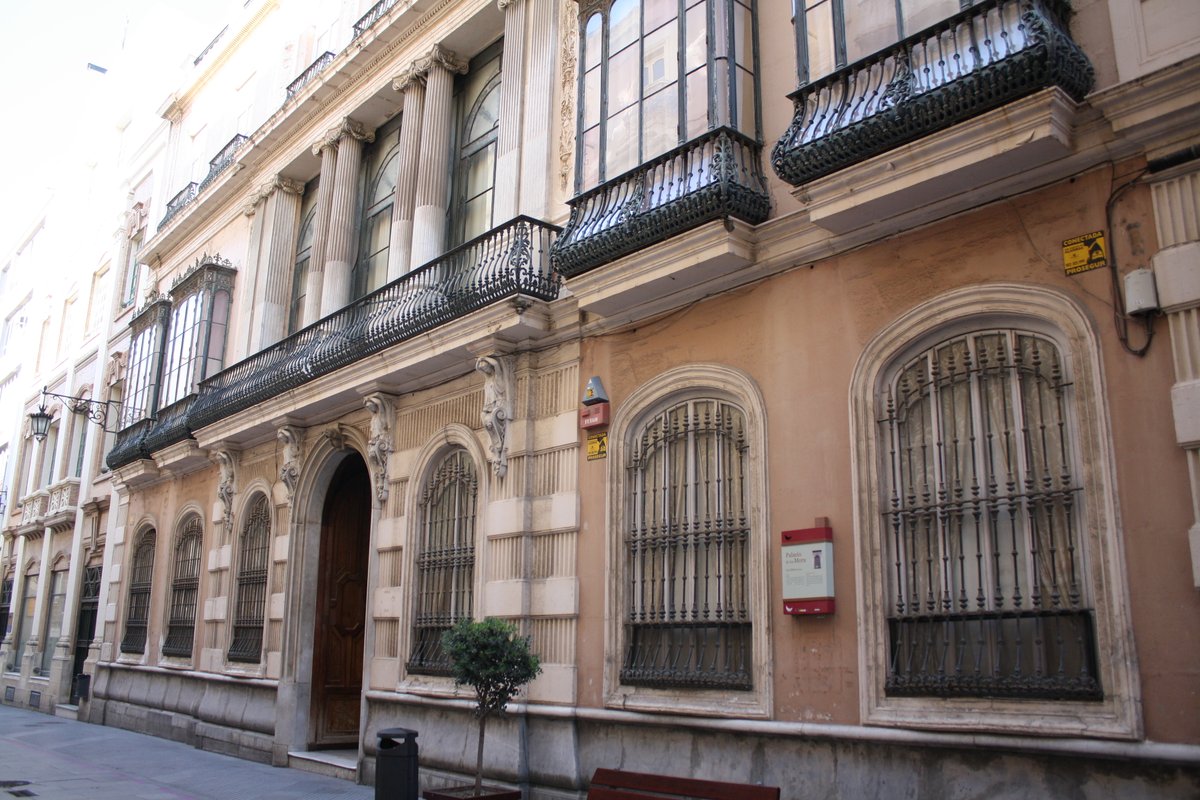

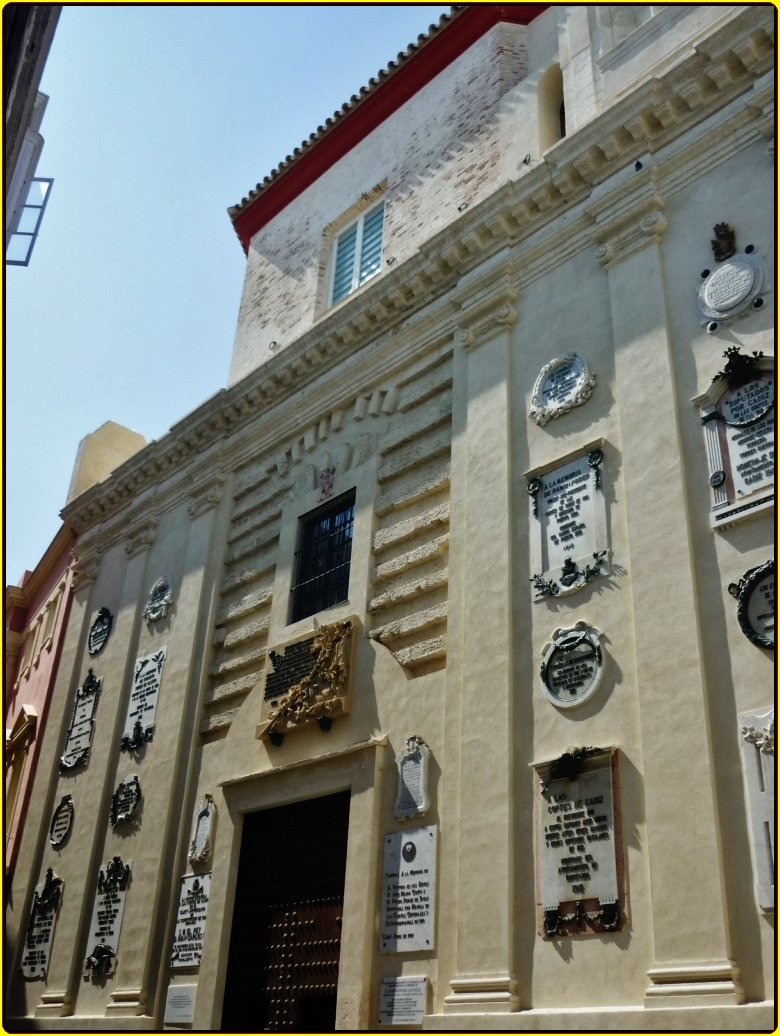
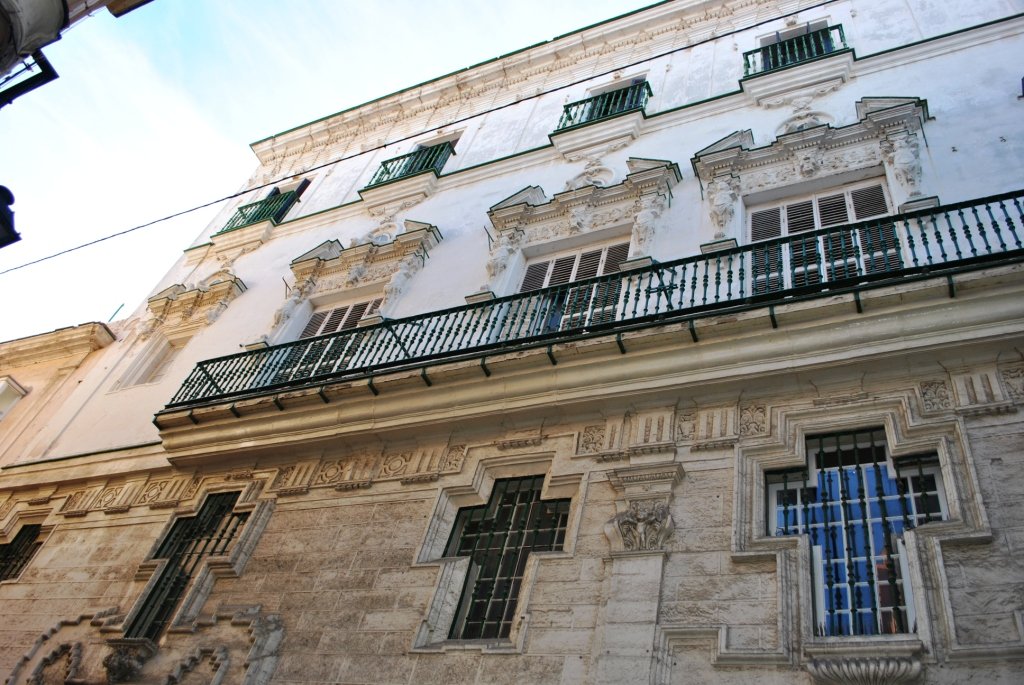
The Palacio de Mora, a cultural heritage site at Calle Ancha 26, Cádiz, dates from the mid-19th century and was designed by the architect Juan de la Vega y Correa. Known for its eye-catching marble decorations, it was built in an Isabeline style, composed of three floors with a main facade and an interior organized around a main courtyard, a rear courtyard, and a garden.
Visitors can still see the original marble columns, ménsulas, and other elements from the exterior and interior of the house, all of which were brought from Carrara expressly for this work. The interior remains a 19th-century grandeur, featuring wide galleries, marble-clad stairs, and woodwork that reflects the French Empire taste in contrast with eclectic architecture.
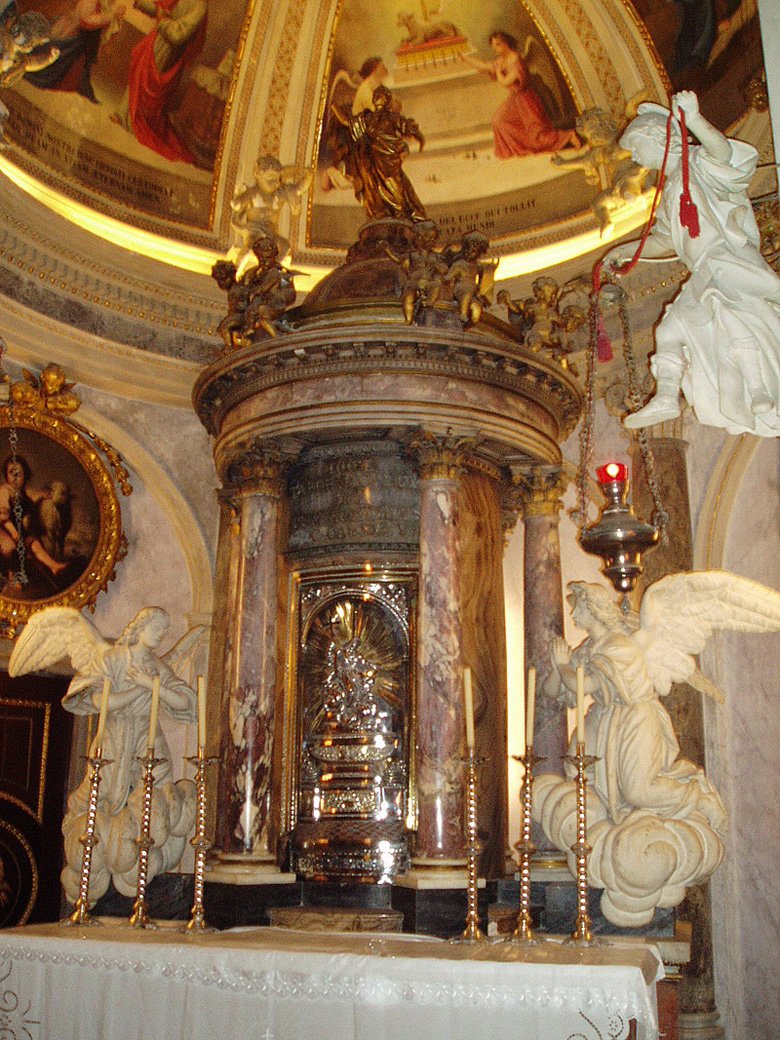
Dust off history as you explore the sala principal, or salón Regio, a rectangular room filled with furniture designed for its 1862 inauguration. The palace also features a chapel housing a statue of the Virgen del Rocío, a Sevillian school work executed 100 years before the mansion's inauguration. The property has been used as a residence since its opening, though it has hosted various cultural and family events.
Sources: Wikipedia, OpenStreetMap, Wikidata, Wikimedia Commons

Written by Nicolo Ciampini
Discuss this with the author and others
No comments yet. Be the first to start the conversation.