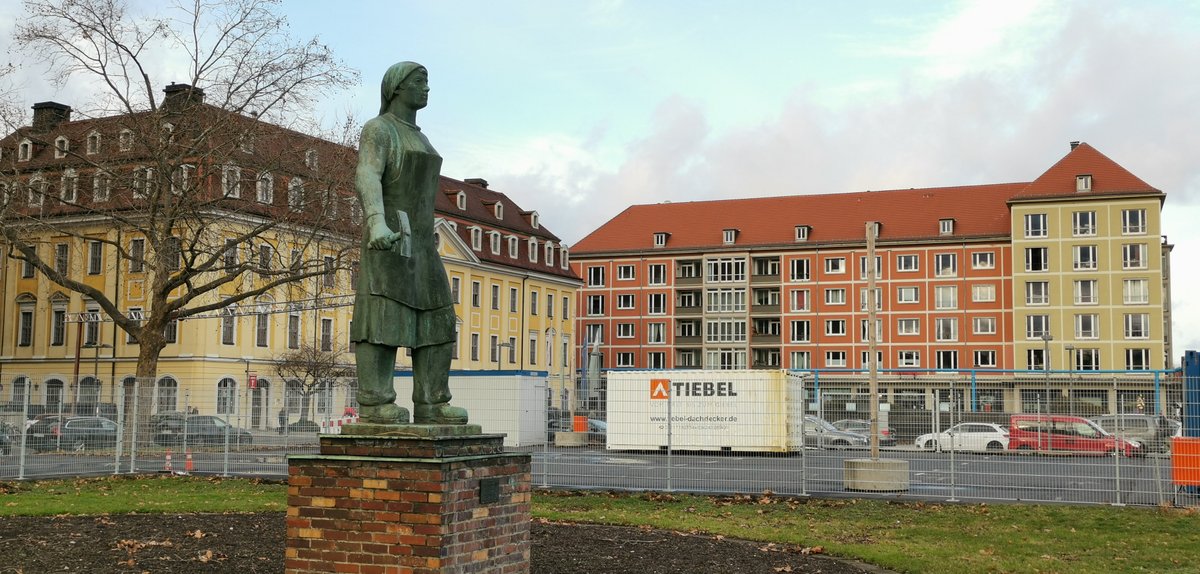
In Dresden, a bronze statue of a Trümmerfrau stands as a memorial to the post-war period. The term 'Trümmerfrau' originally referred only to specific female construction workers in Berlin hired by authorities to clear war debris. Soon, the name expanded to other regions of Germany and Austria, eventually becoming a common shorthand for the general German and Austrian woman of the post-war era.
History shows how images were polished for public ears. In the Soviet Occupation Zone, the press began promoting a positive image of the workers' labor in 1945. These media reports aimed to strip the work of its character as 'penal labor' and establish the 'Trümmerfrau' as a role model for women in men's occupations. In West German areas, however, 'Trümmerfrauen' were not present in reality or in the media during the immediate post-war era. The image was rejected as an element of socialist politics from the GDR until it entered West German consciousness in the 1980s.
Reality struck a different chord than the myth. Data shows that rubble clearance in the occupation zones was not performed primarily by women. While women were increasingly required to help with rubble removal while men were still missing from the front, their participation was often driven by economic necessity rather than volunteerism. Municipal authorities even forced women and young girls accused of prostitution to participate in the work. Meanwhile, Western occupation zones generally tried to shield women from the most physically demanding tasks during reconstruction.
The statue preserves a figure that was stylized in the GDR as a connecting myth and a selfless pioneer of the Wirtschaftswunder. Research findings in the 2010s began to shake and correct this idealized image. For every passerby, the bronze lady remains a solid anchor for a period of rebuilding centered on forging a national identity while moving stone.
Sources: Wikipedia, OpenStreetMap, Wikidata, Wikimedia Commons




Written by Aurora
Discuss this with the author and others
No comments yet. Be the first to start the conversation.