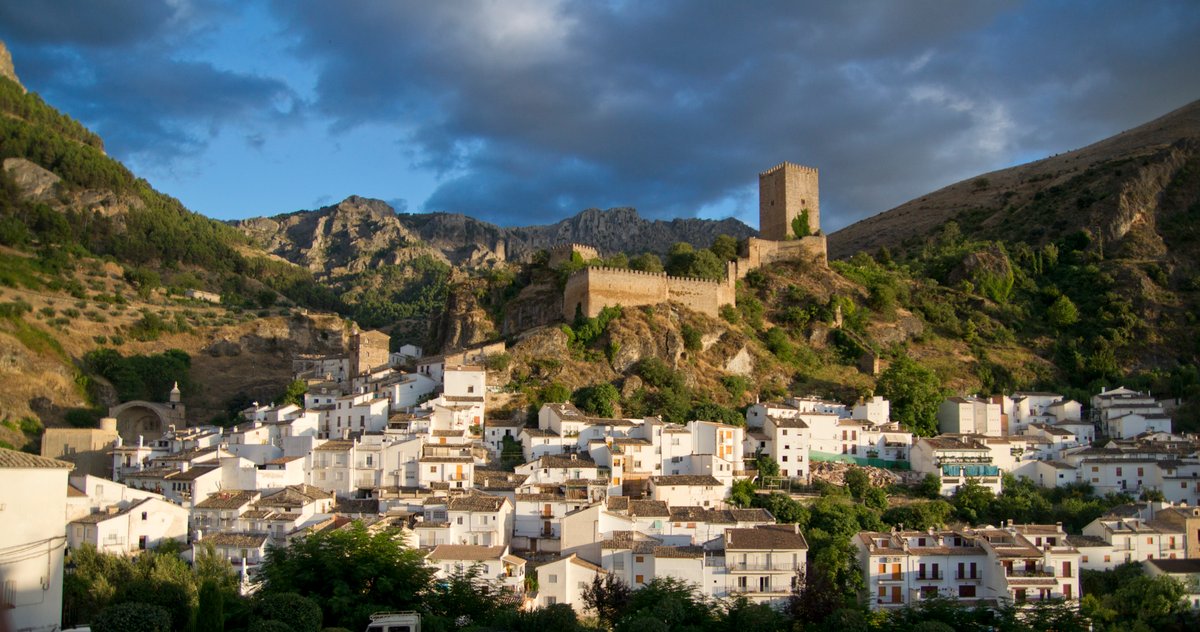

Stand before the Castillo de la Yedra and observe how its physical structure serves as a map of time. Nestled on the lower slopes of the Salvatierra hill above the Cerezuelo river, this fortress began its life as an Andalusi fortification during the 11th or 12th century. Its original identity was that of an albacara, a modest enclosure intended to shelter a small community.
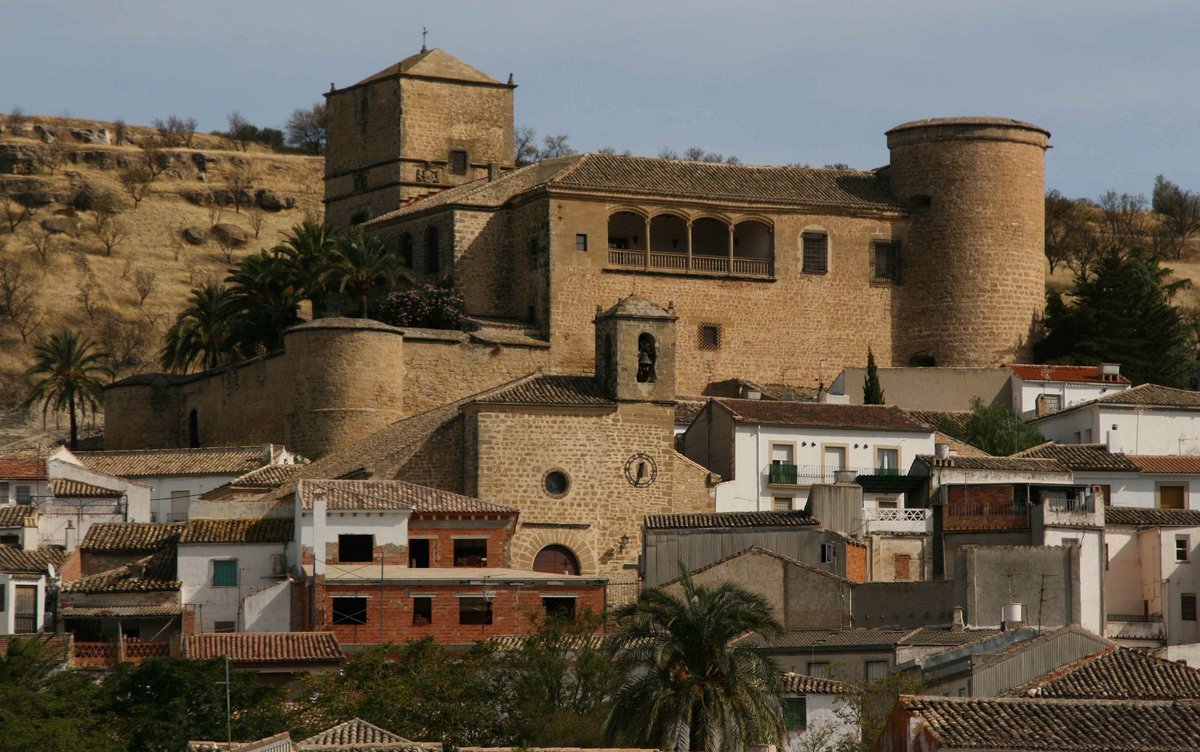
Observe how the arrival of conquerors in the late 12th century initiated a profound evolution of the site. The most significant transformation occurred between 1357 and 1399 as the layout was completely redesigned. This era introduced the alcazarejo, a fortified inner palace, and a massive keep. The construction features a mix of masonry styles and stone towers added to the albacara.
Direct your attention to the keep, the most commanding feature of the fortress. This square tower reaches 30.5 metres tall on its southeast side and boasts walls four metres thick at the ground level. Near the entrance to the alcazarejo, a horseshoe arch displays the coat of arms of Sandoval and Rojas, highlighting repairs from 1606.
Today, the Museo de Artes y Costumbres Alto Guadalquivir invites you to investigate these historical layers. You are encouraged to explore the three distinct zones: the alcazarejo, the intermediate courtyard embedded in the albacara, and the partially destroyed outer walls.
Sources: Wikipedia, OpenStreetMap, Wikidata, Wikimedia Commons



Written by Nik Frost
Discuss this with the author and others
No comments yet. Be the first to start the conversation.