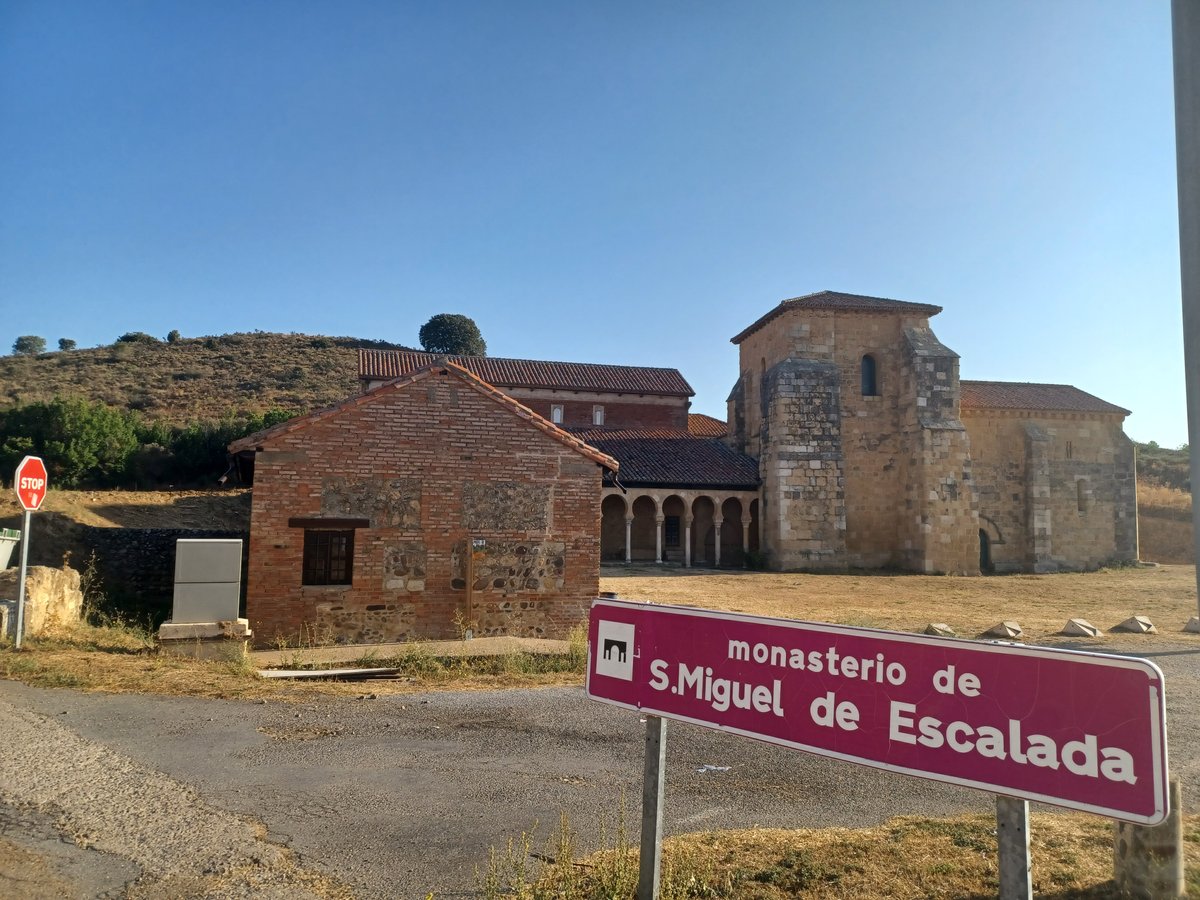

How does one rebuild a collapsed church in just one year? In 951, Abbot Alfonso and his crew from Córdoba arrived at a ruined site dedicated to the Archangel Michael. They did not work under royal command or through the oppression of the people, but through the attentive tenacity of the abbot and his monks. They spent exactly twelve months raising the walls and enlarging the temple from its foundations during the reign of García and his wife Mumadonna.
The architecture is a distinct example of Mozarabic art. The monks used marble shafts and Corinthian steeples taken from older Visigothic or Roman constructions, possibly from the nearby city of Lancia. The nave features three aisles separated by large horseshoe arches, giving the building its characteristic style. A meridional porch is fixed by twelve horseshoe arches, built in two different phases: the seven occidental arches feature Moorish style, while 10th-century Mozarabic work is preserved in the alfiz decorations.
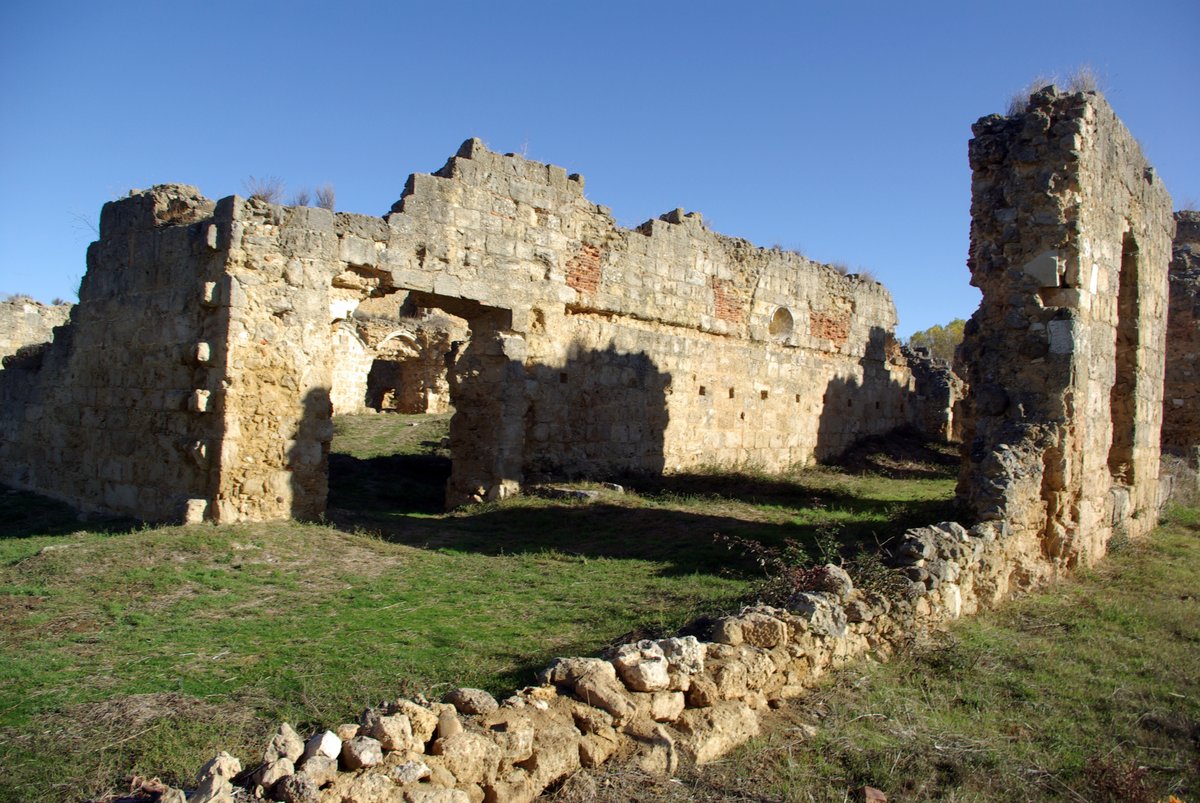
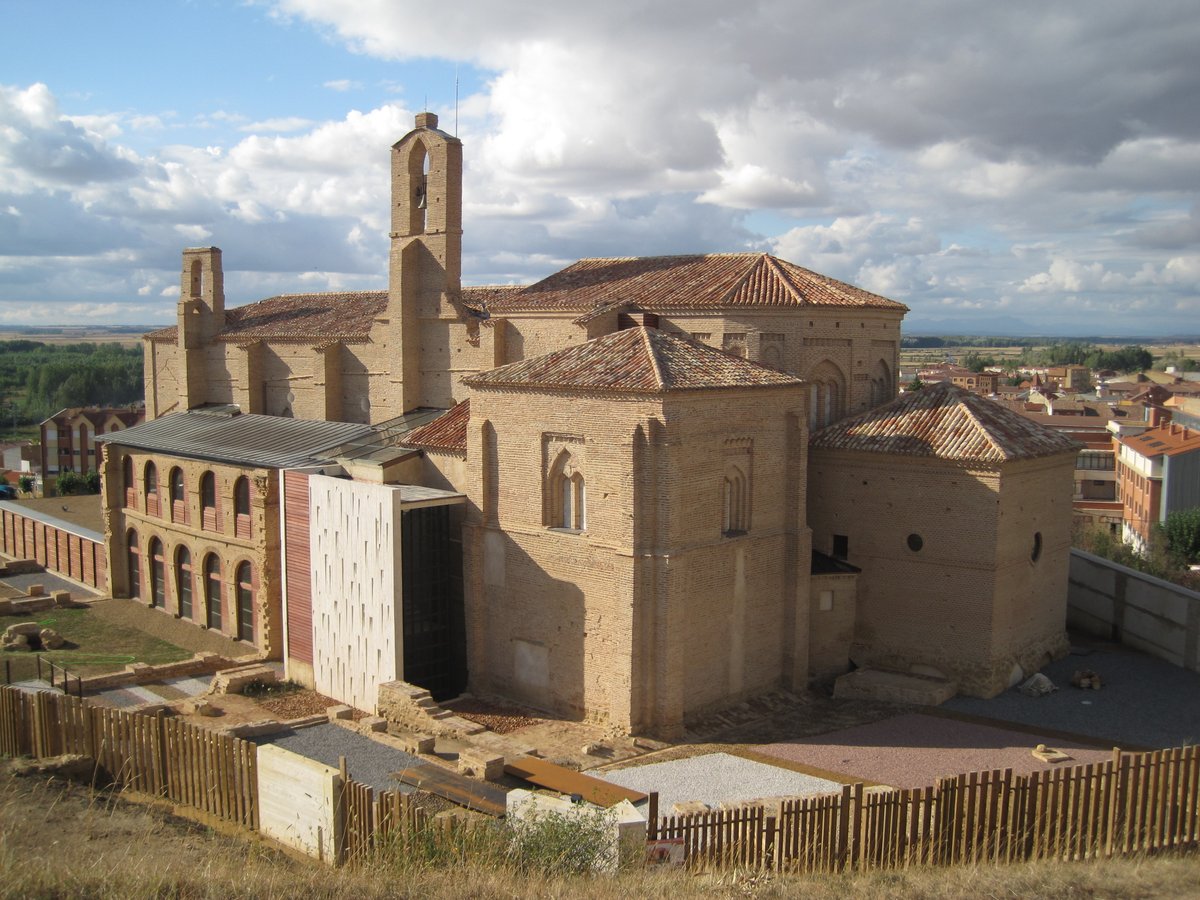
Most of the monastery's buildings disappeared after the disentailment of ecclesiastical properties in 1836. Today, the only surviving structures are the church, the Romanesque tower, and the San Fructuoso chapel. Inside the church, the wood panels still hold paintings from the 15th century, preserving a piece of history that dates back to that busy year in the 10th century.
Sources: Wikipedia, OpenStreetMap, Wikidata, Wikimedia Commons
Written by Nicolo Ciampini
Discuss this with the author and others
No comments yet. Be the first to start the conversation.