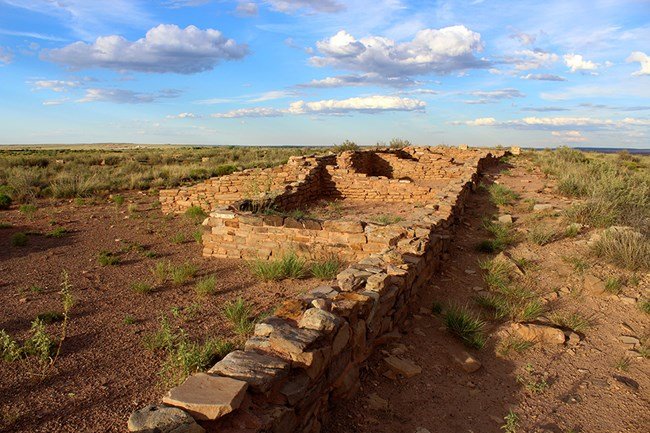

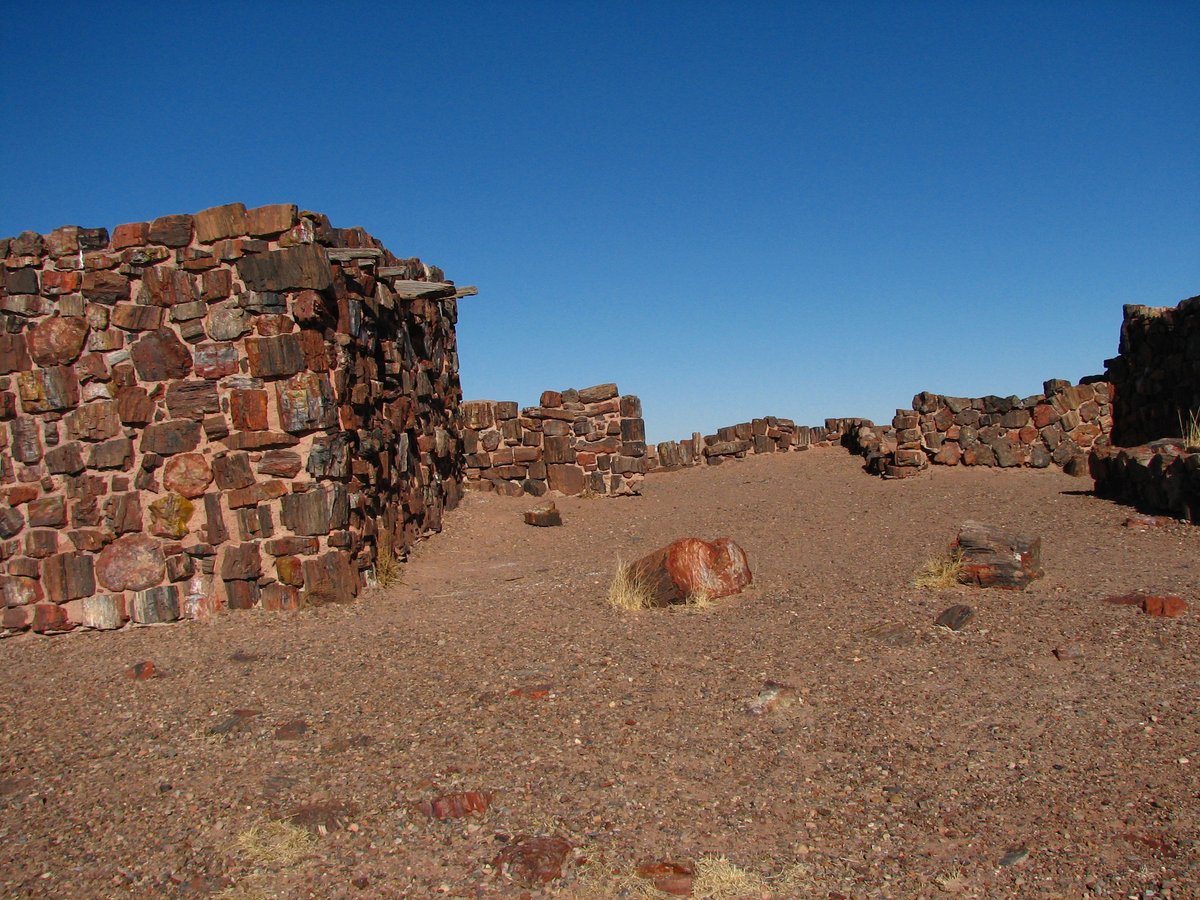
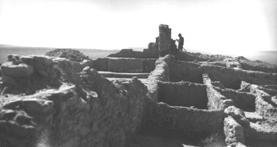
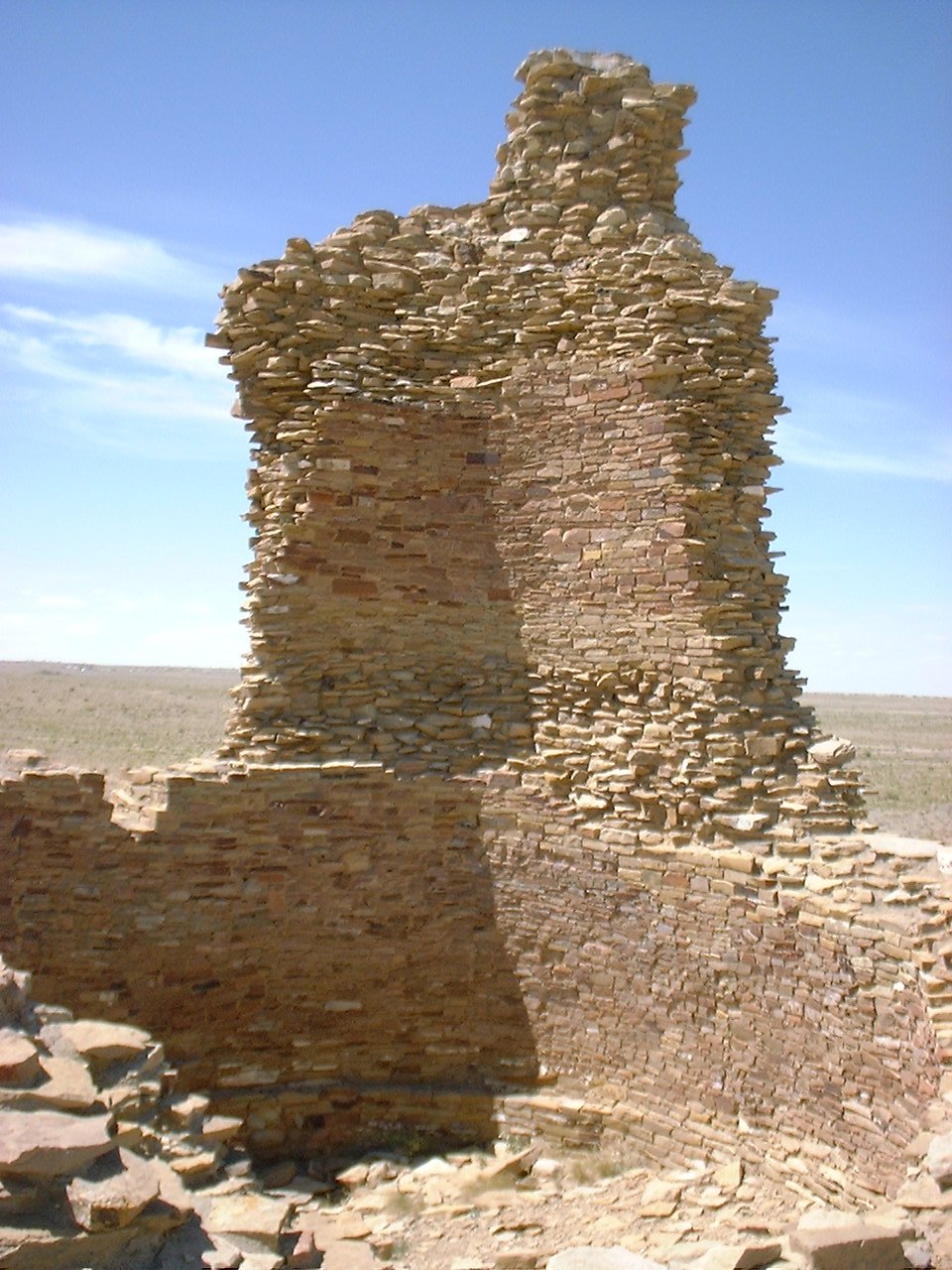
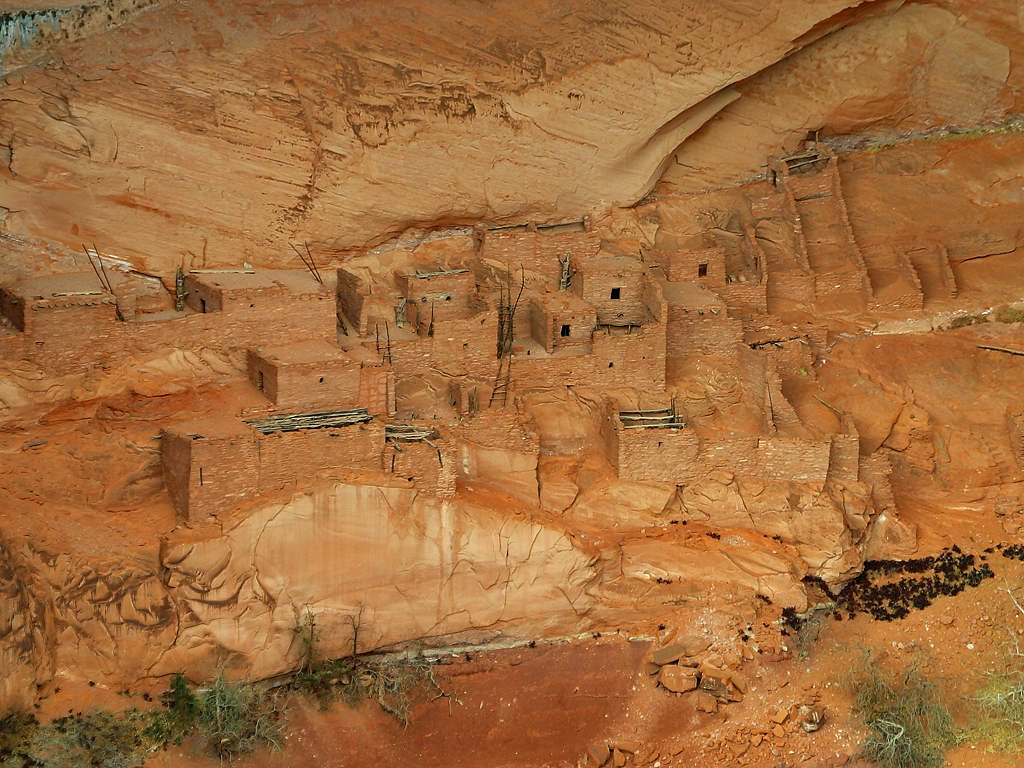
Nestled within Arizona's Petrified Forest National Park, you'll find the Puerco Ruin and Petroglyphs - the largest known archaeological site within the park. This settlement reached its peak around 1300 CE, featuring a large pueblo built from hand-hewn sandstone blocks. The structure consisted of over 100 rooms for living and storage, surrounding an interior plaza. The Ancestral Puebloans used the flood plain of the Puerco River to cultivate corn, beans, and squash, while the river served as a trade route that connected the settlement with the Hopi people to the west and the Mogollon people to the south.
The site had two periods of occupation, each lasting about one century: from 1100 to 1200 and 1300 to 1400. After a series of droughts, the indigenous people moved from small scattered communities to larger pueblo dwellings. By the late 1300s, climatic changes caused the inhabitants to abandon the location, and it was deserted by 1380. The architecture is notable for its lack of windows or doors on the exterior walls, with entry to the rooms being accomplished by ladders over the walls.
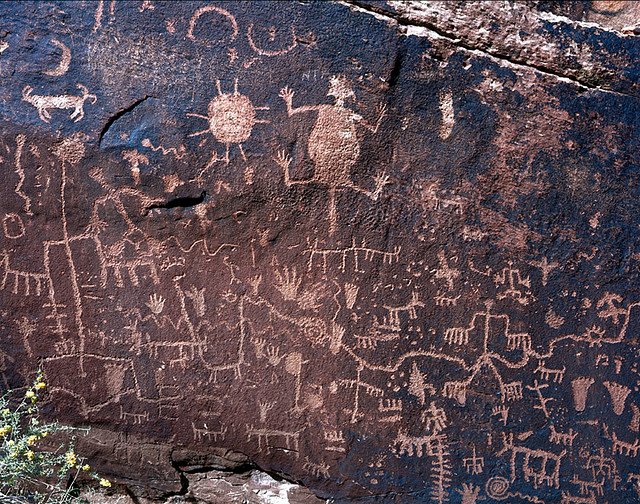
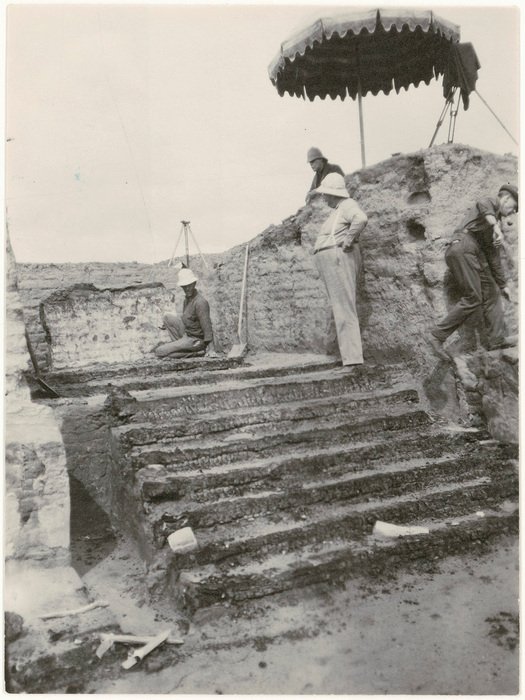
John Muir first excavated the site in 1905 and 1906. Later excavations recorded over 1,000 pieces of rock art on the site, including designs marking the summer solstice that create an interplay of light and shadow at sunrise. Archaeologists also catalogued more than 4,000 potsherds and 26,000 flaked stone artifacts. While historical records of local fauna show small mammals like rabbits were most common, the petroglyphs uniquely depict bears as the most predominant animal, accounting for 21% of the designs.
Sources: Wikipedia, OpenStreetMap, Wikidata, Wikimedia Commons
Written by Friendly Jane
Discuss this with the author and others
No comments yet. Be the first to start the conversation.