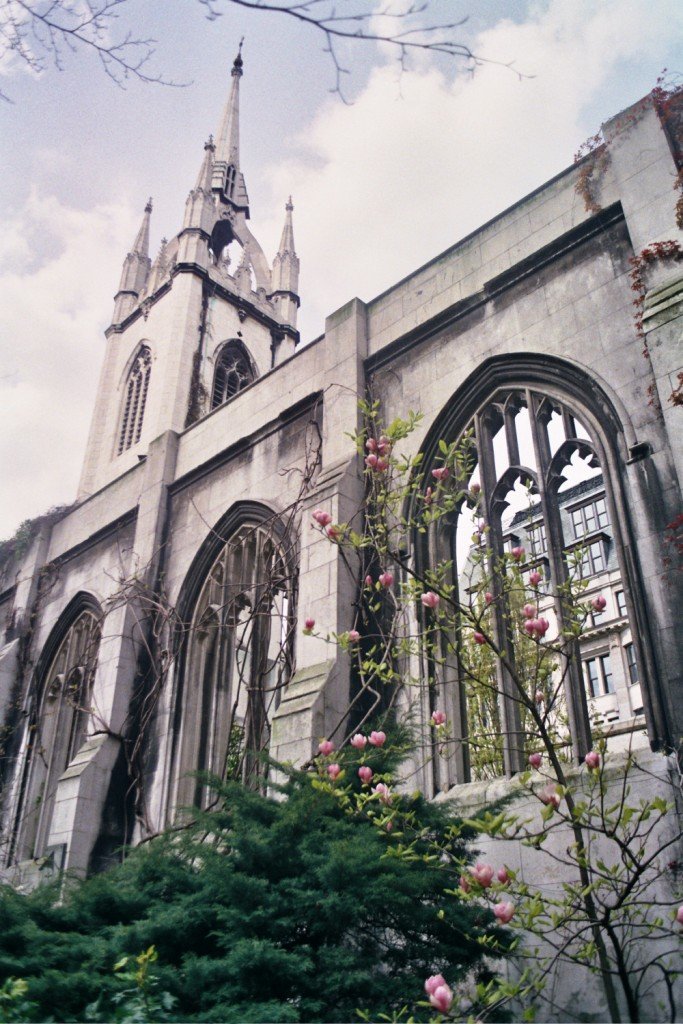

St Dunstan-in-the-East was a Church of England parish church built around 1100 on St Dunstan's Hill. The church underwent several modifications, including a new south aisle in 1391 and repairs in 1631. After being severely damaged in the Great Fire of London in 1666, the building was patched up between 1668 and 1671. Between 1695 and 1701, a tower and needle spire were added to the designs of Sir Christopher Wren, featuring flying buttresses similar to St Nicholas in Newcastle.
By 1817, the weight of the nave roof had thrust the walls seven inches out of the perpendicular. The building was taken down and rebuilt to a perpendicular style design by David Laing with assistance from William Tite. The new Portland stone building, which opened in 1821, measured 115 feet long by 65 feet wide and could accommodate between six and seven hundred people. Wren's tower was retained during this reconstruction.
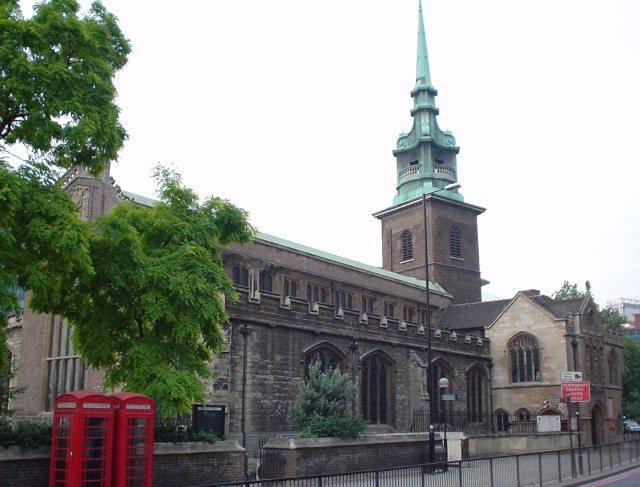
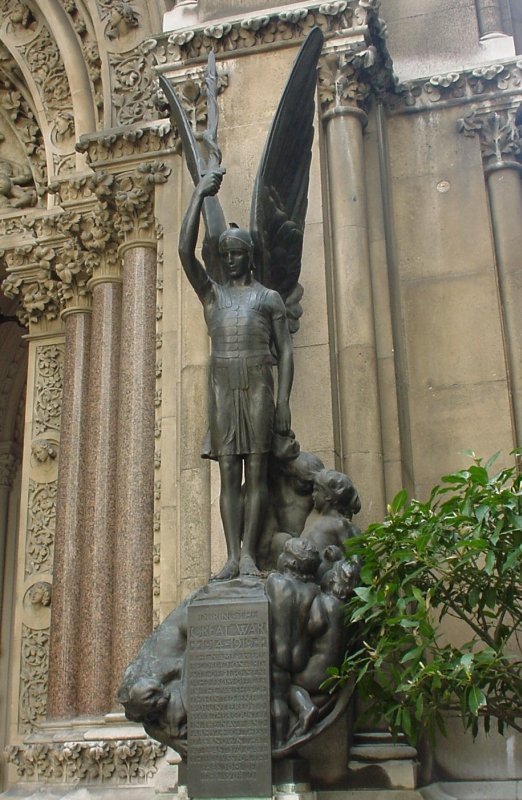
The church was severely damaged again during the Blitz of 1941, leaving only the north and south walls. In 1967, the City of London Corporation decided to turn the ruins into a public garden, which opened in 1971. The site now features a lawn, trees, and a low fountain in the middle of the nave. The tower currently houses the All Hallows House Foundation, and the parish is now combined with the Benefice of All Hallows by the Tower.
Sources: Wikipedia, OpenStreetMap, Wikidata, Wikimedia Commons

Written by Nicolo Ciampini
Discuss this with the author and others
No comments yet. Be the first to start the conversation.