
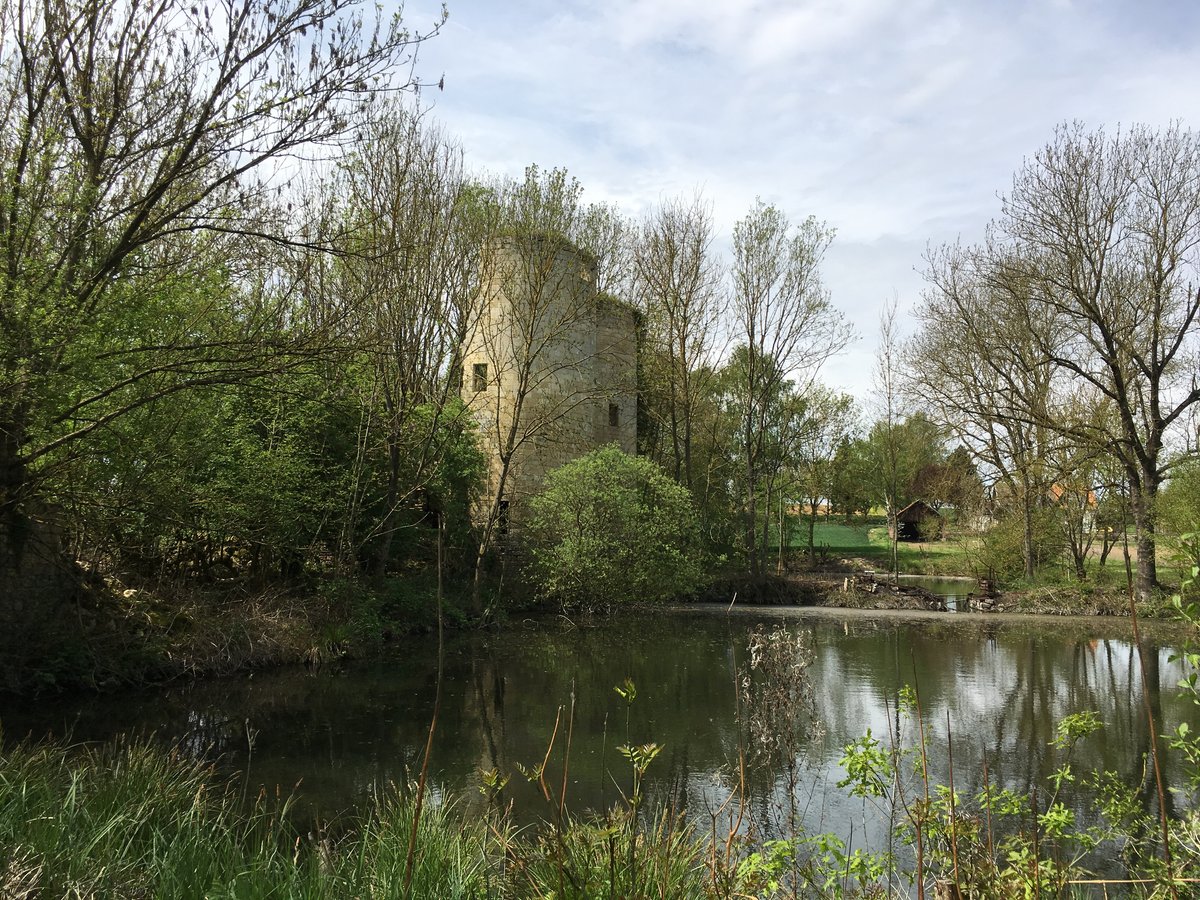
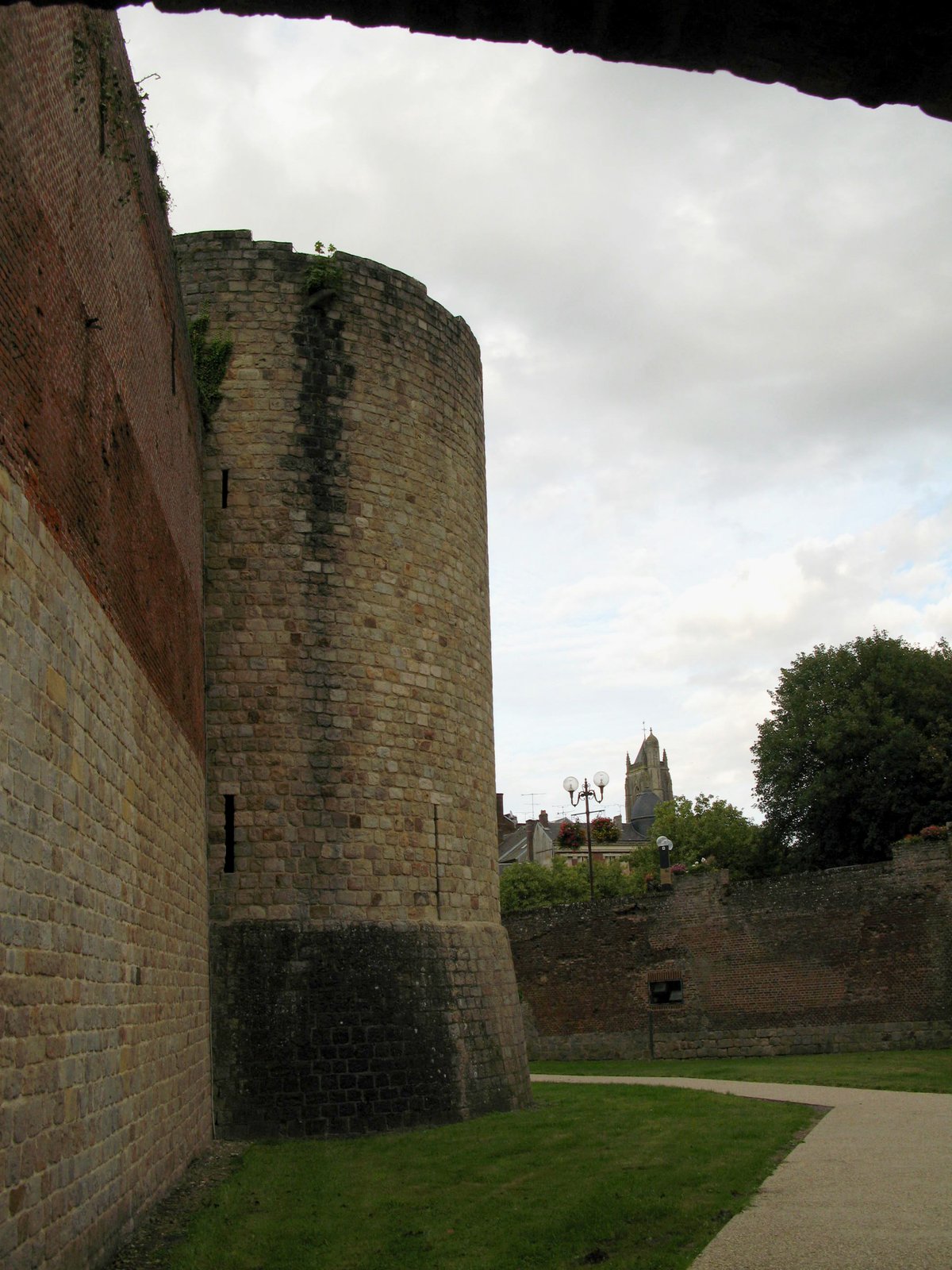
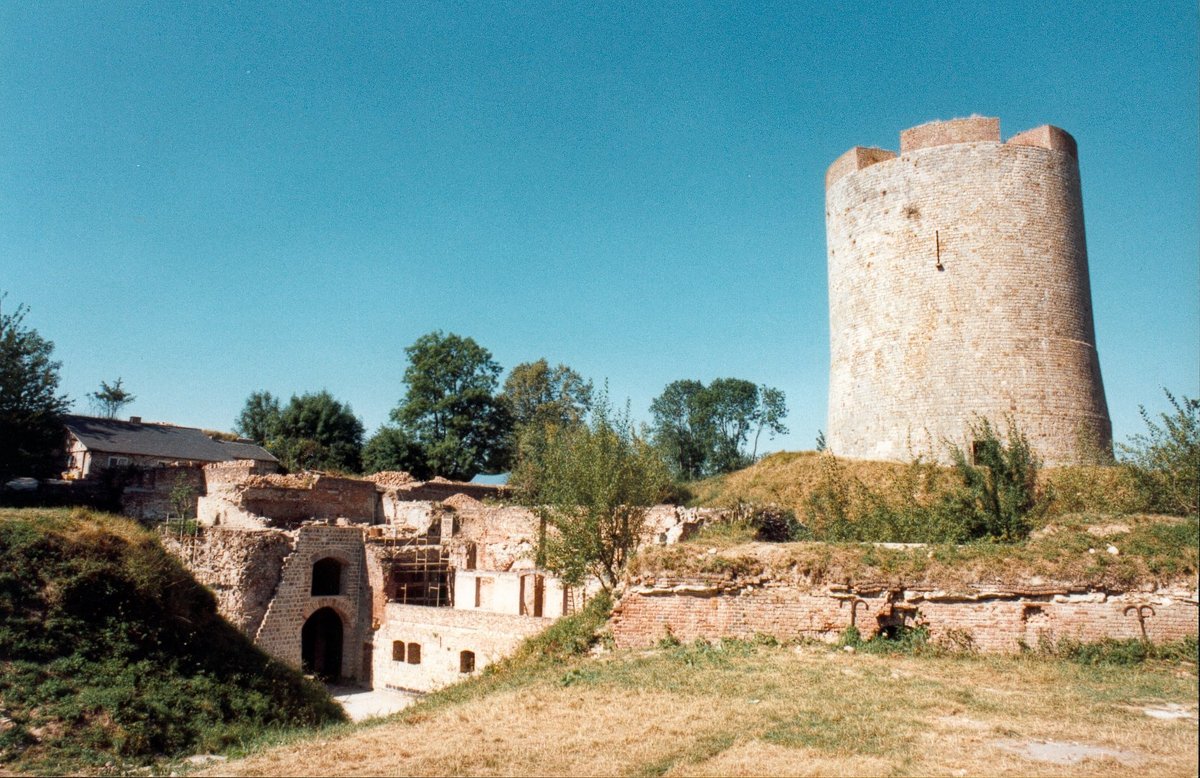
Nestled tranquilly in the serene course of the Canal de la Somme, Château de Ham has layers of history. The early castle, whose construction date is unknown, is mentioned in a 1052 charter. During the 13th century, it was restored by Odon IV of Ham who gave the fortress its definitive shape, a polygonal enceinte broken up by large cylindrical towers. It was sold in 1400 to Louis d' Orléans, who integrated it into his network of fortresses, including La Ferté-Milon, Pierrefonds and Fère-en-Tardenois.
John II of Luxembourg, Count of Ligny, acquired the seigneury after the assassination of Louis d' Orléans and perfected the reconstruction. His nephew, Louis de Luxembourg, constructed a monumental keep in 1441 known as the tour du connétable. This massive tower was 33 m in diameter and 33 m high, with walls 11 m thick. The castle was besieged several times, notably by Philip II of Spain in 1557, and was later transformed by Vauban at the end of the 17th century.
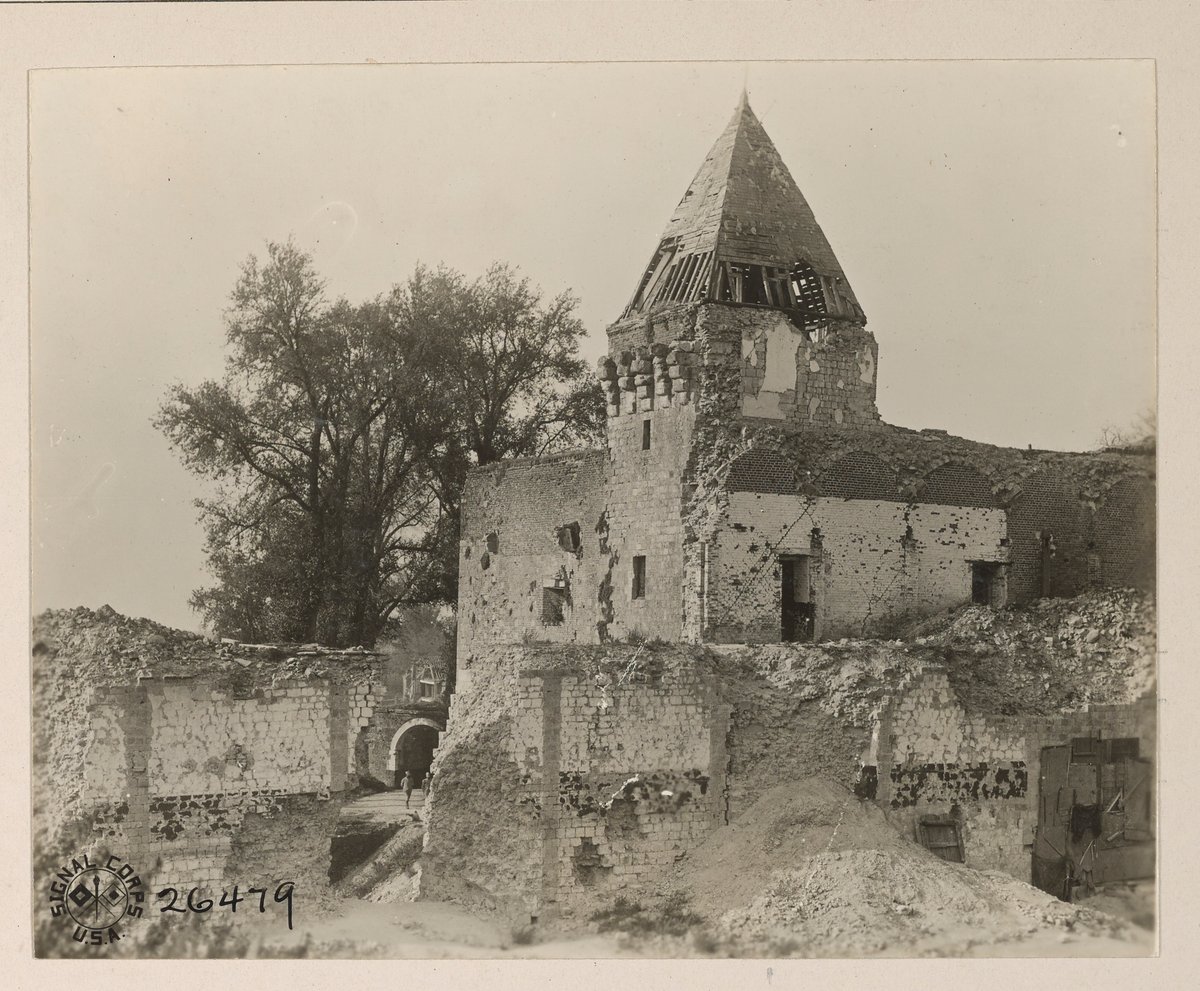
The castle was later turned into a state prison, welcoming many famous prisoners, including the pirate Jacques Cassard and Mirabeau. Among its most notable occupants was Louis-Napoléon Bonaparte, the future Napoléon III. After six years, he escaped the prison by adopting the identity of a painter named Badinguet. The Germans dynamited the fort on 19 March 1917, leaving behind only the square plan entrance tower and parts of its network of enceinte to dominate the peaceful course of the canal.
Sources: Wikipedia, OpenStreetMap, Wikidata, Wikimedia Commons
Written by Nicolo Ciampini
Discuss this with the author and others
No comments yet. Be the first to start the conversation.