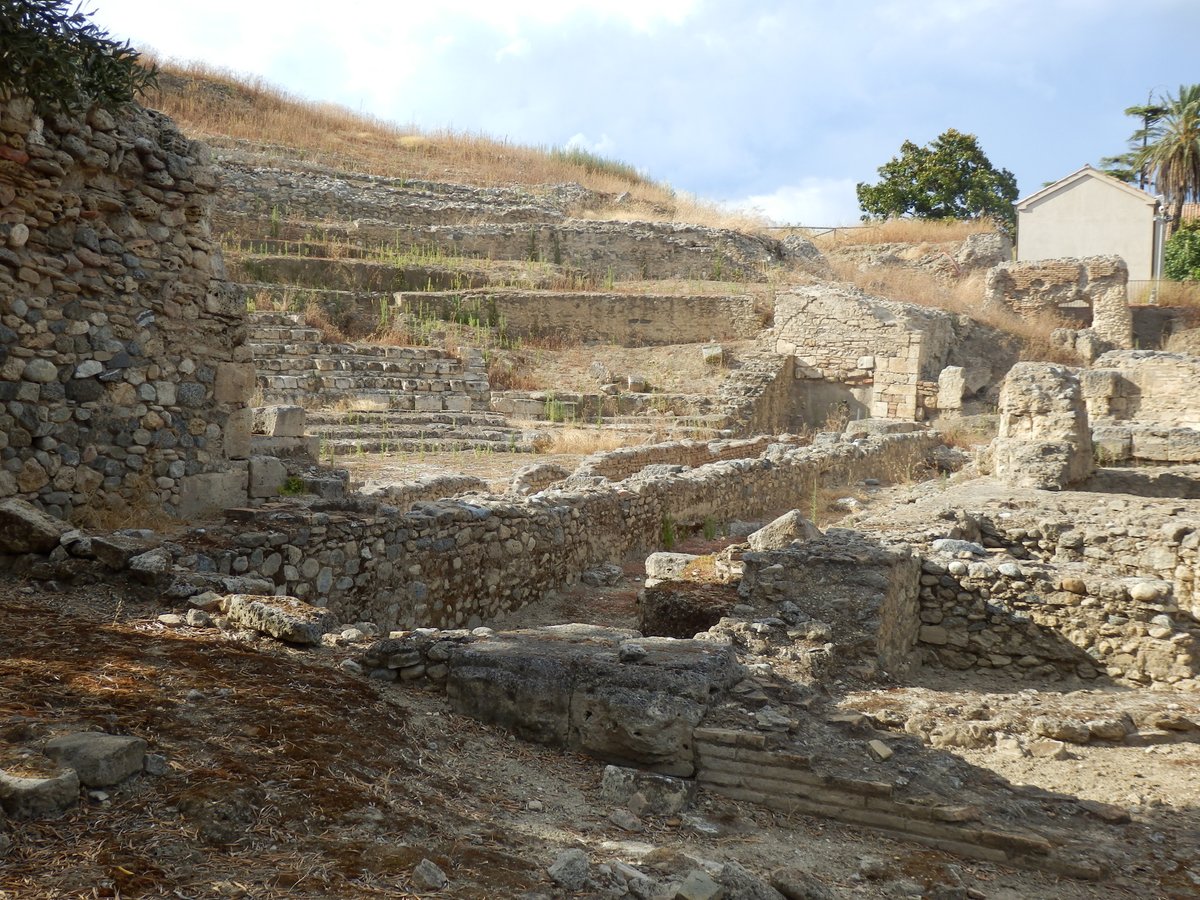

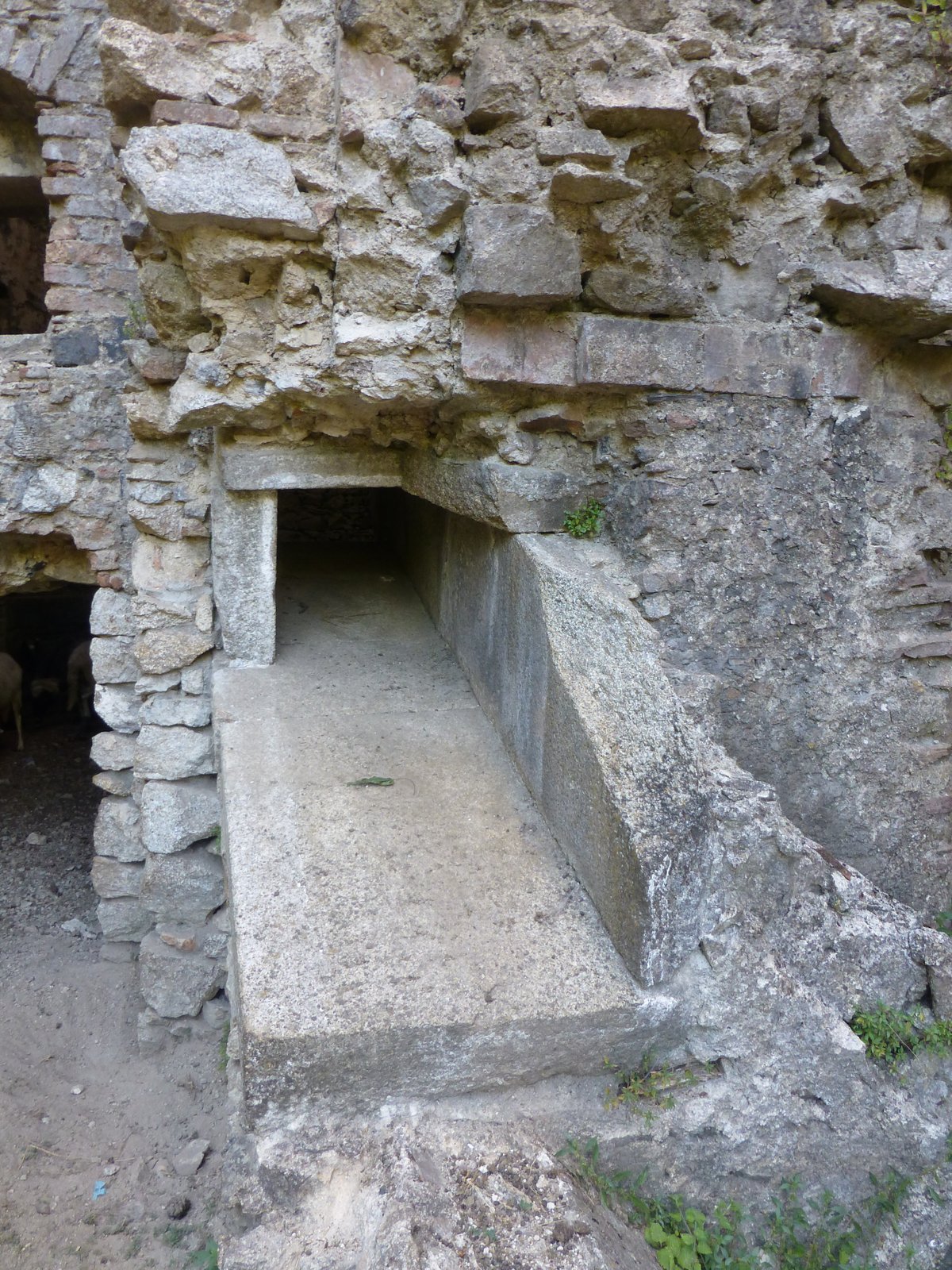
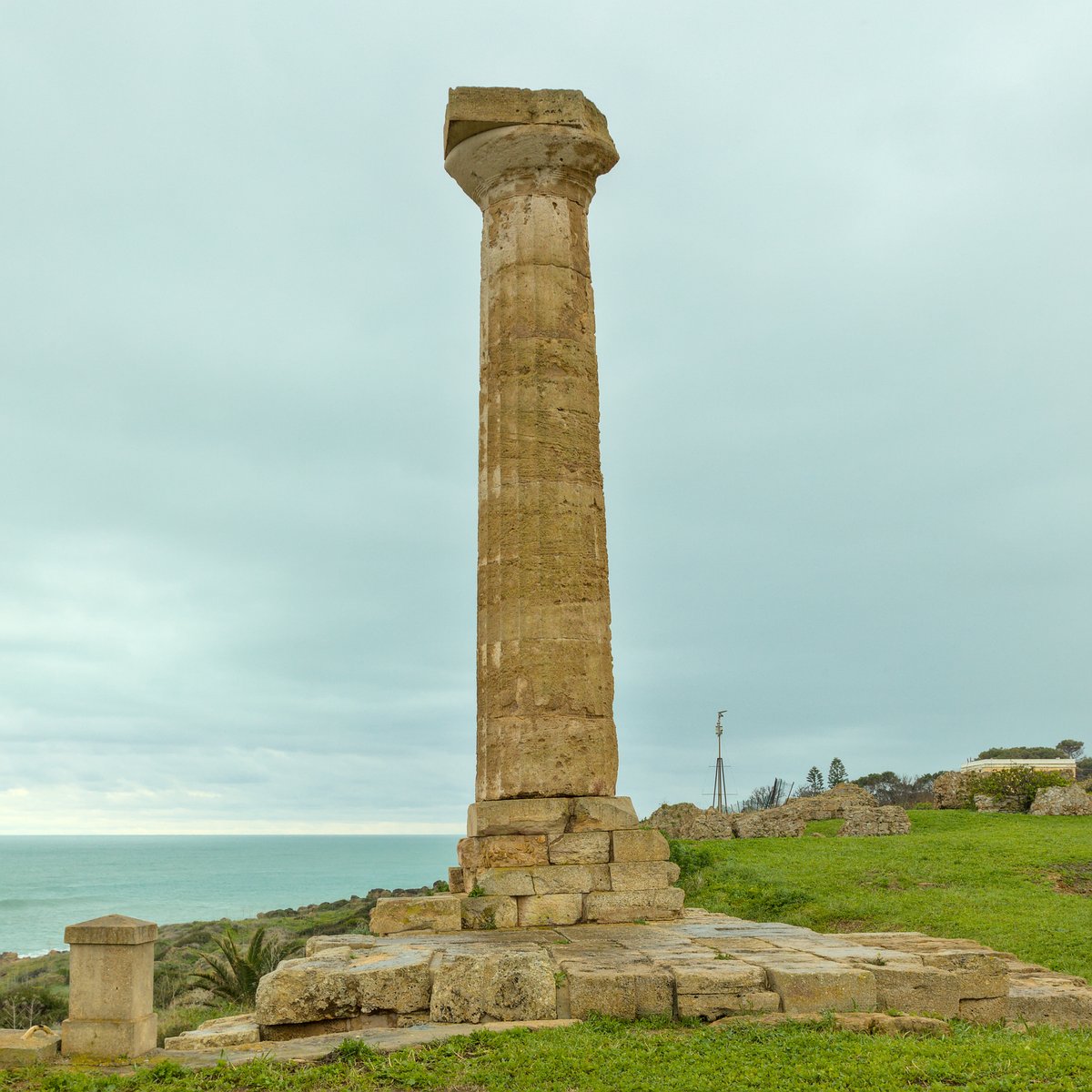
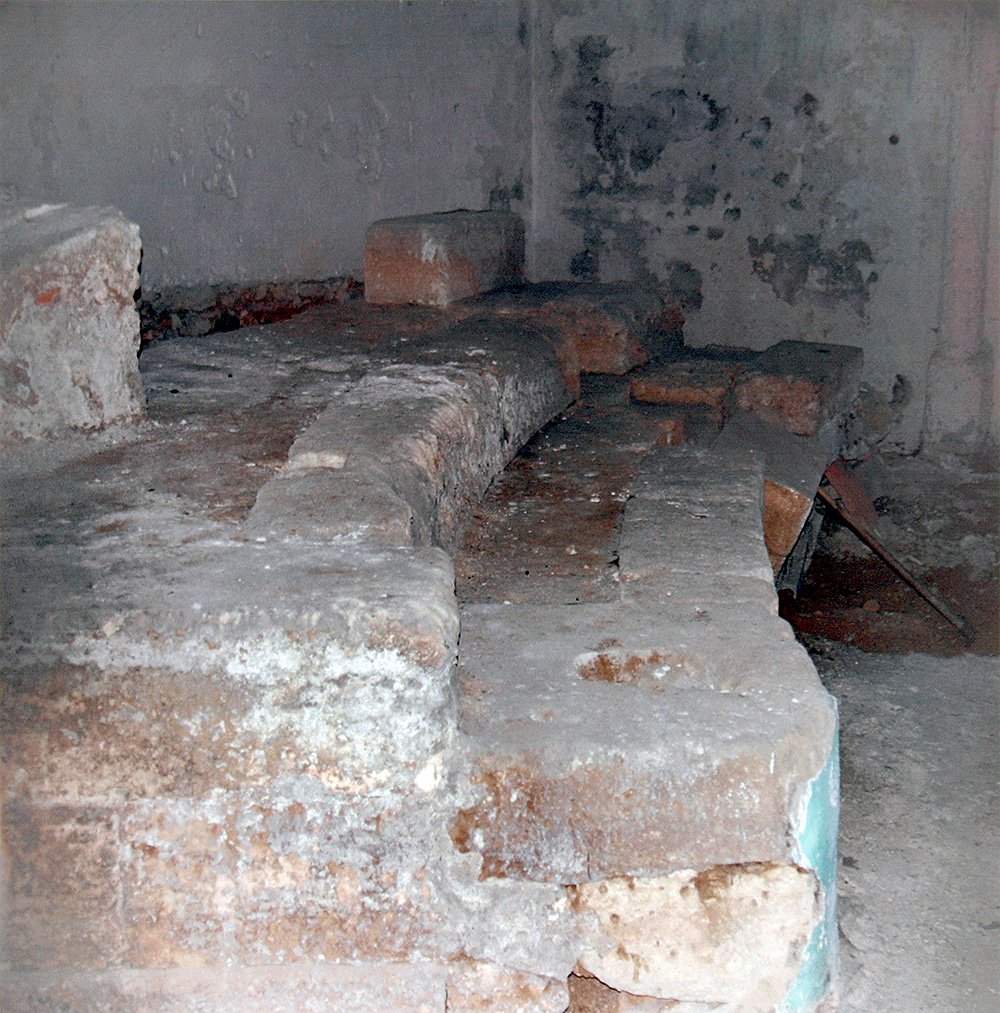
Scylletium, later known as Minervium or Colonia Minervia, was an ancient seaside city in present-day Calabria, Italy. Its remnants can be found at the frazione (borough) of Roccelletta in Borgia, near Catanzaro, facing the Gulf of Squillace.
Scylletium may have been founded in the 7th century BC on the Punta di Staletti promontory. It was situated from the 6th century BC on the east coast of Calabria (ancient Bruttium) on the shores of an extensive bay, to which it gave the name of Scylleticus Sinus.
According to a tradition generally received in ancient times, Scylletium was founded by an Athenian colony of Magna Graecia, a part of the followers who had accompanied Menestheus to the Trojan War. Another tradition was extant, which ascribed its foundation to Ulysses. The town appeared to be a minor place and a mere dependency of Crotona until it was wrested from its power by the elder Dionysius, who assigned it with its territory to the Locrians.
In 124 BC the Romans, at the instigation of C. Gracchus, sent a colony to Scylletium, which appears to have assumed the name of Minervium or Colonia Minervia. Scylletium appears to have become a considerable town after it received the Roman colony, and continued such throughout the Roman Empire.
Towards the close of this period, it was distinguished as the birthplace of the Roman statesman Cassiodorus, founder of the Vivarium. Around 530 AD, he left a detailed but rhetorical description of the beauty of its situation and the fertility of its territory. Cassiodorus also mentioned production of highly priced terra cotta. His villa was located at Punta di Staletti.
Sources: Wikipedia, OpenStreetMap, Wikidata, Wikimedia Commons
Written by Nicolo Ciampini
Discuss this with the author and others
No comments yet. Be the first to start the conversation.