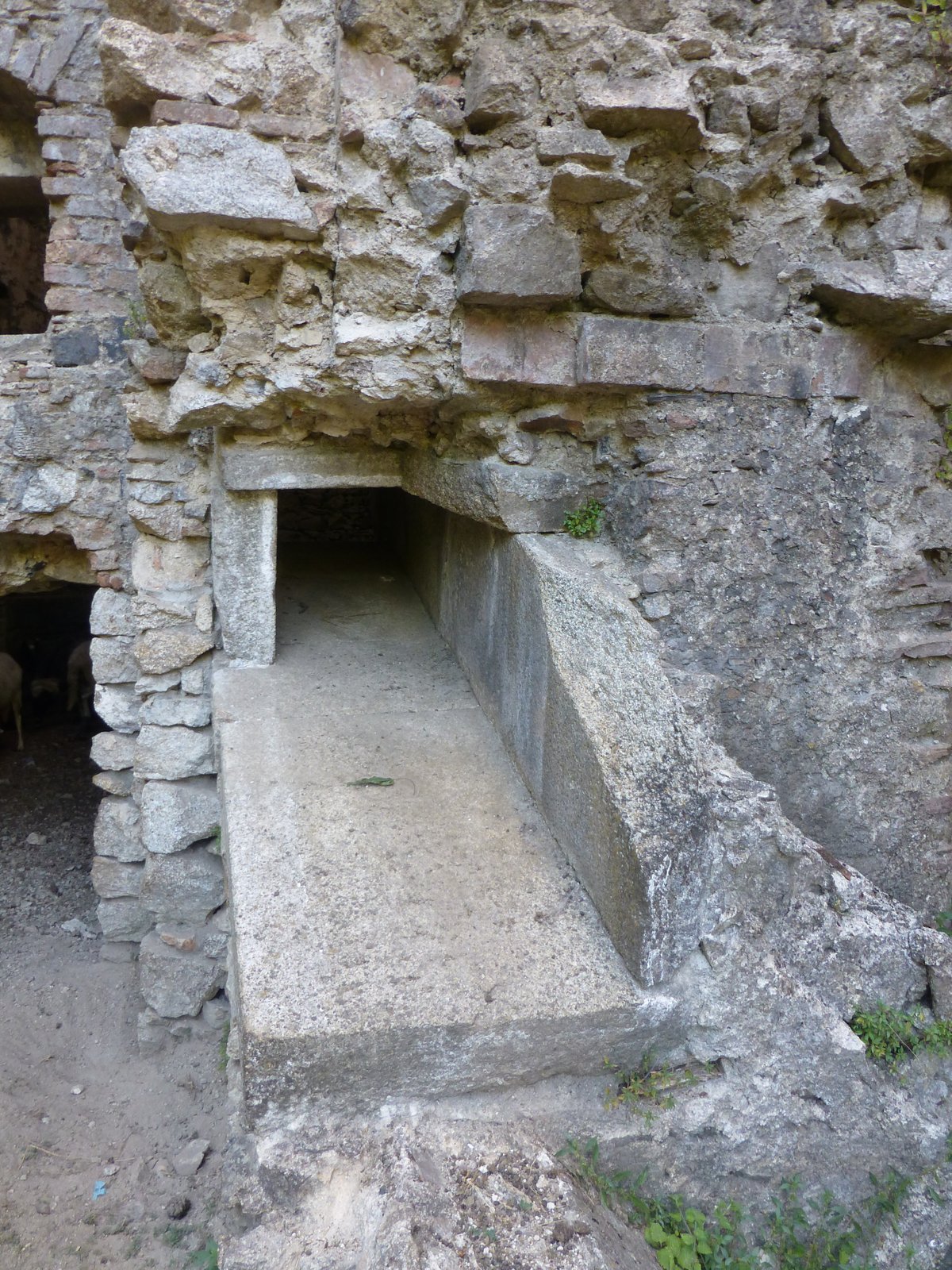

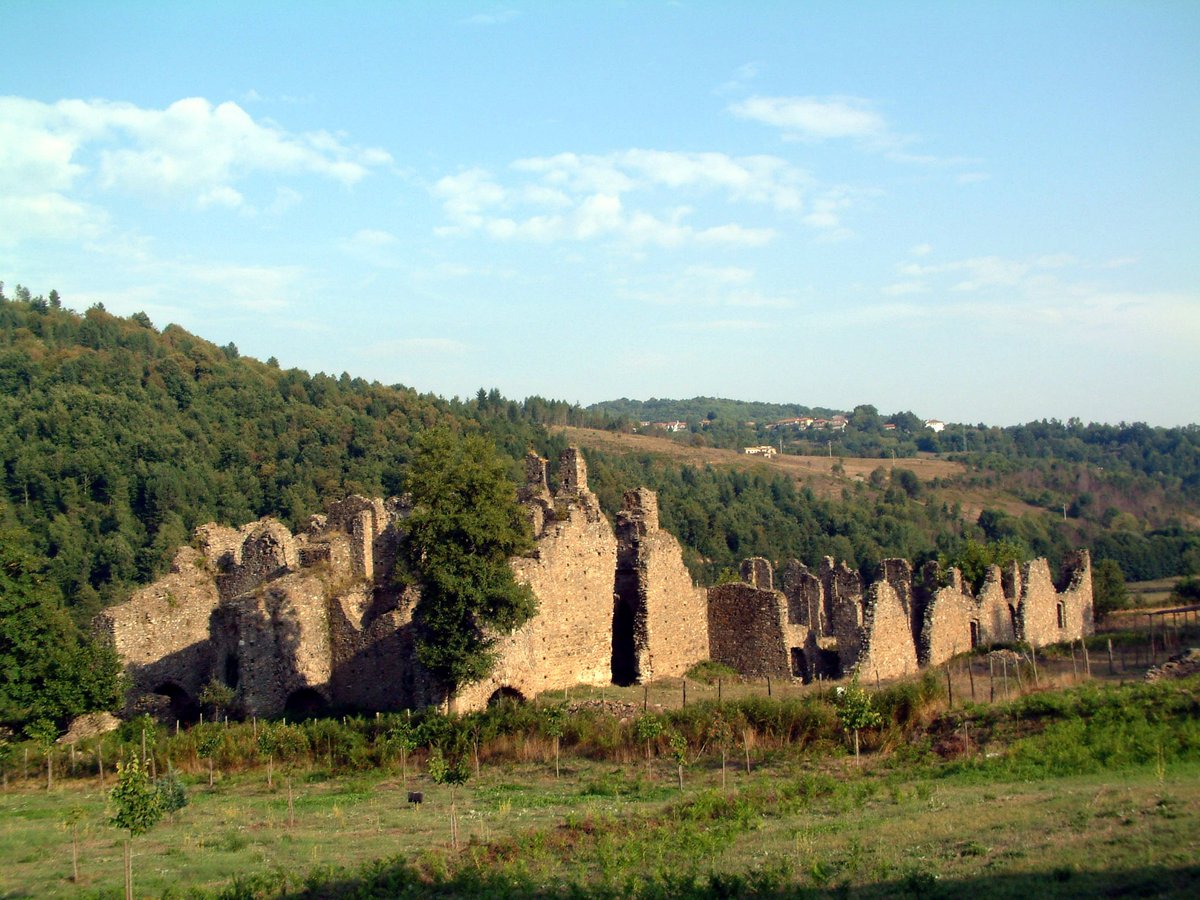
The Fonderia di Mongiana is a foundry built in Mongiana, Calabria, during the 18th century for the production of iron artifacts. It was part of the Polo siderurgico di Mongiana. The original structure was built of wood and featured only one main entrance and a single blast furnace. In its original form before reconstruction, the foundry area measured 65 x 35 m.
In the late 18th century, the foundry was rebuilt following the earthquake of 1783. It underwent further modernization and was rebuilt again by the engineer Domenico Fortunato Savino. Between 1835 and 1855, the site saw improvements but was struck by floods in 1850 and 1855. The site was used for iron production until 1874, when the steel hub was abandoned by the Italian state. After this, the landowners, who were farmers, established a vineyard on the land.
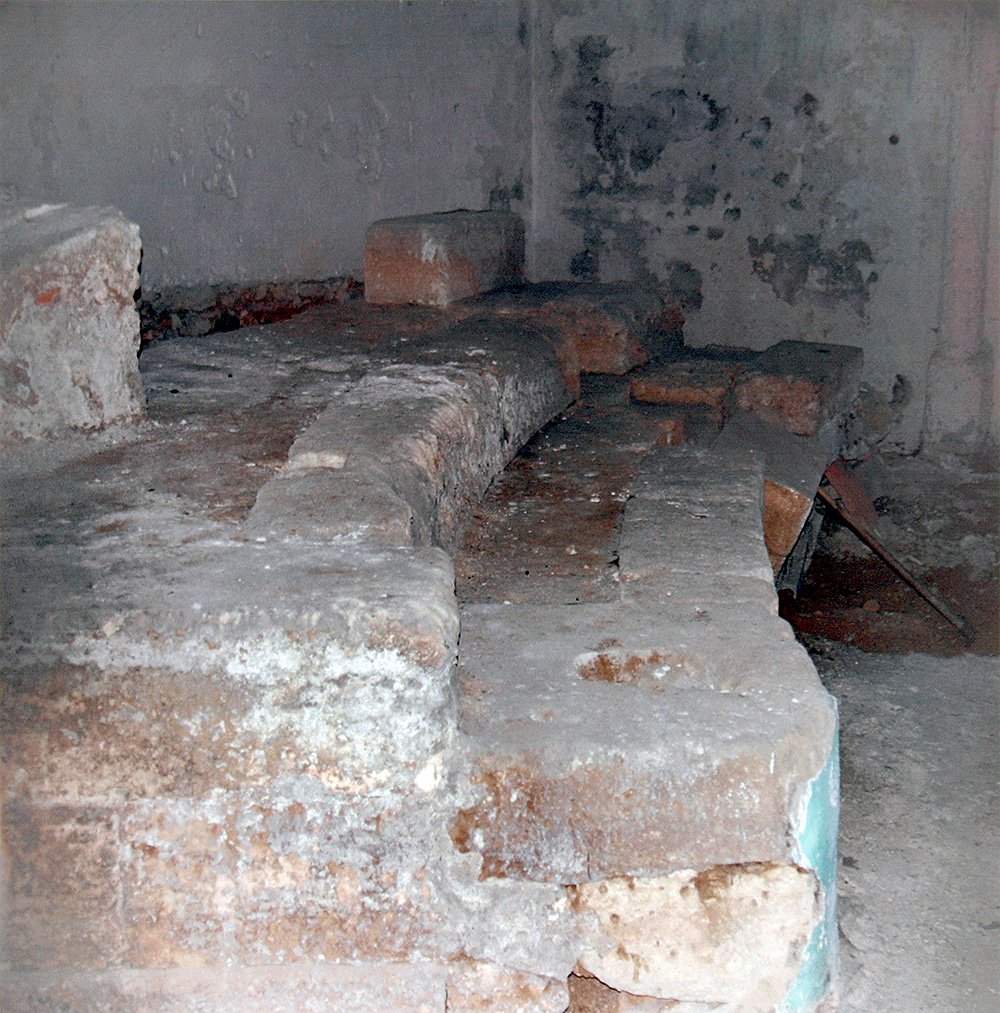
Today, the site is one of the archaeological sites belonging to the Ecomuseo delle ferriere e fonderie di Calabria and is part of the MUFAR. In 2016, the discovery of three new blast furnaces was announced, which had been mentioned in a report from 1845. Since then, restoration work on a new blast furnace was completed, leading to the inauguration of the site in 2019.
Sources: Wikipedia, OpenStreetMap, Wikidata, Wikimedia Commons
Written by Nicolo Ciampini
Discuss this with the author and others
No comments yet. Be the first to start the conversation.