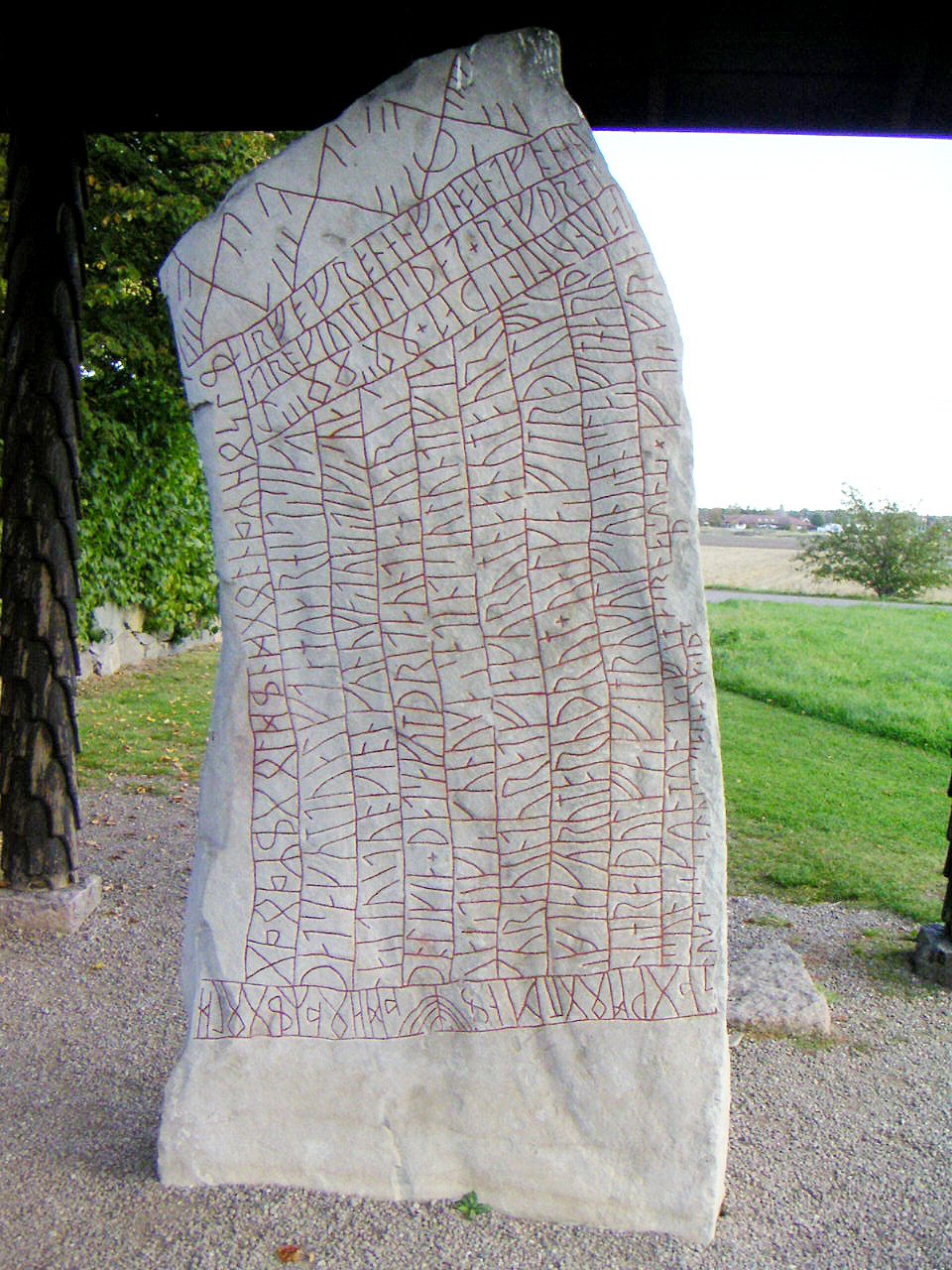

The Rök Runestone, found in the village of Ödeshög, Sweden, is a remarkable example of the Viking Age's intricate craftsmanship and rich history. Standing at a towering 8 feet and weighing 5 long tons, the stone is a monument to the ingenuity and skill of its carver. However, it's the enigmatic inscription carved on its surface that has earned it worldwide fame.
Created around 800 AD, the Rök Runestone contains the longest known runic inscription in stone, with over 760 characters. This exceptionally long inscription is believed to be the first known piece of written Swedish literature, making it a significant piece of history and still the subject of scholarly debate.
The inscription's unique feature is its partial encryption. Using both the Caesar cipher and special cipher runes, it is intentionally difficult to read, leading many to believe that it was intentionally crafted using poetic devices from Norse skaldic poetry. The Rök Runestone also stands out due to its references to lost Norse mythology and Ostrogothic king Theodoric the Great.
However, the true allure of the Rök Runestone lies in its riddles. Each part of the inscription consists of two questions and an answer, although the questions and their answers are purposefully jumbled together, making for a complex puzzle. Some questions have remained unanswered for centuries, like the question concerning the word 'Nit' that still eludes explanation.
Despite the mystery that surrounds the Rök Runestone, its significance as a historical artifact and testament to ancient craftsmanship is undeniable.
Sources: Wikipedia, OpenStreetMap, Wikidata, Wikimedia Commons
Written by Nik Frost
Discuss this with the author and others
No comments yet. Be the first to start the conversation.