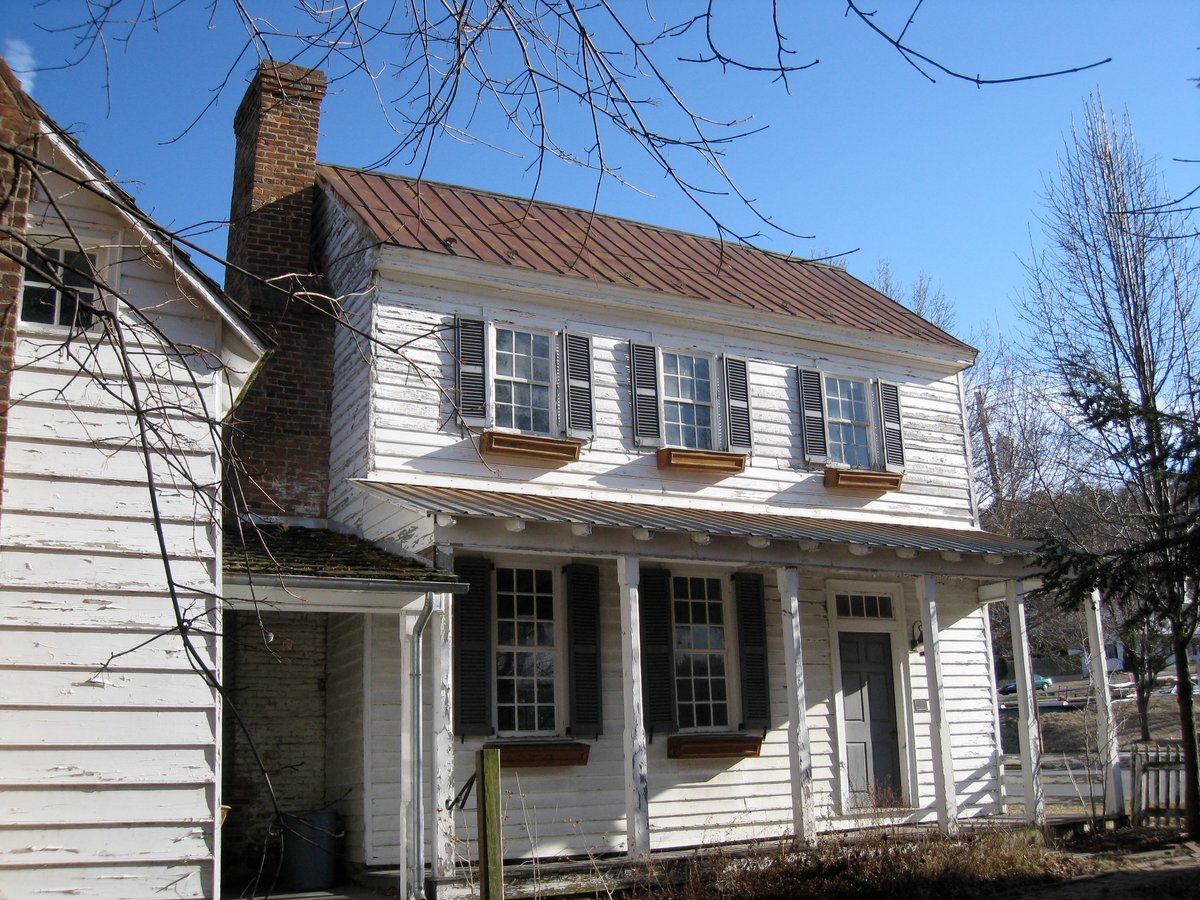

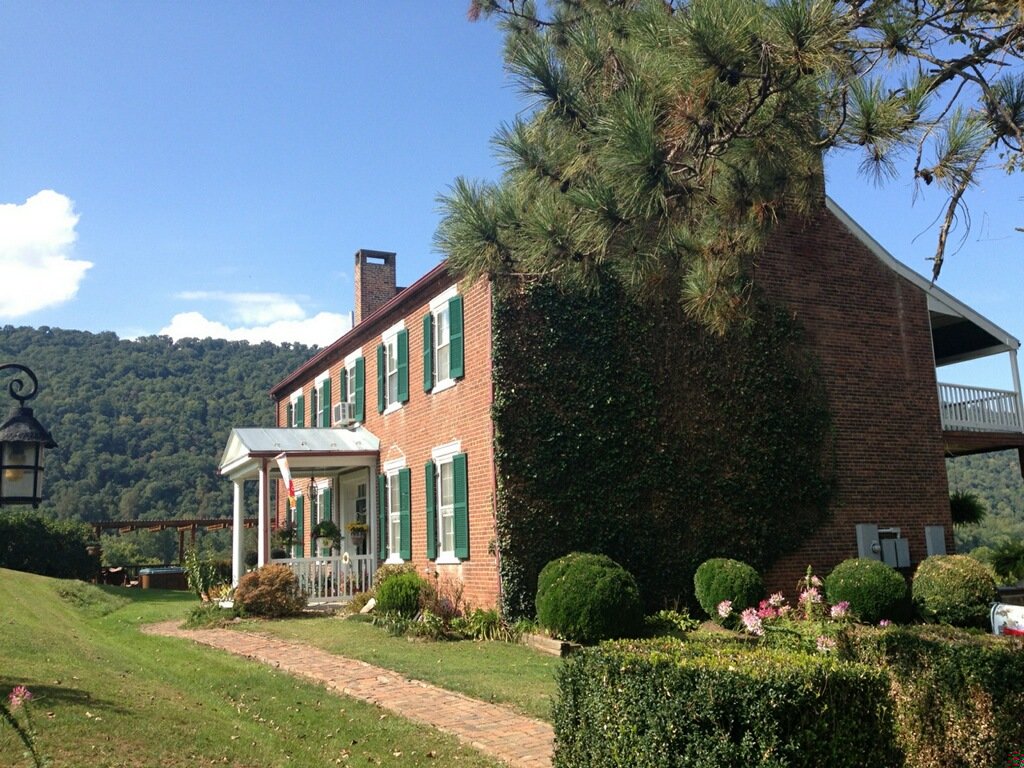
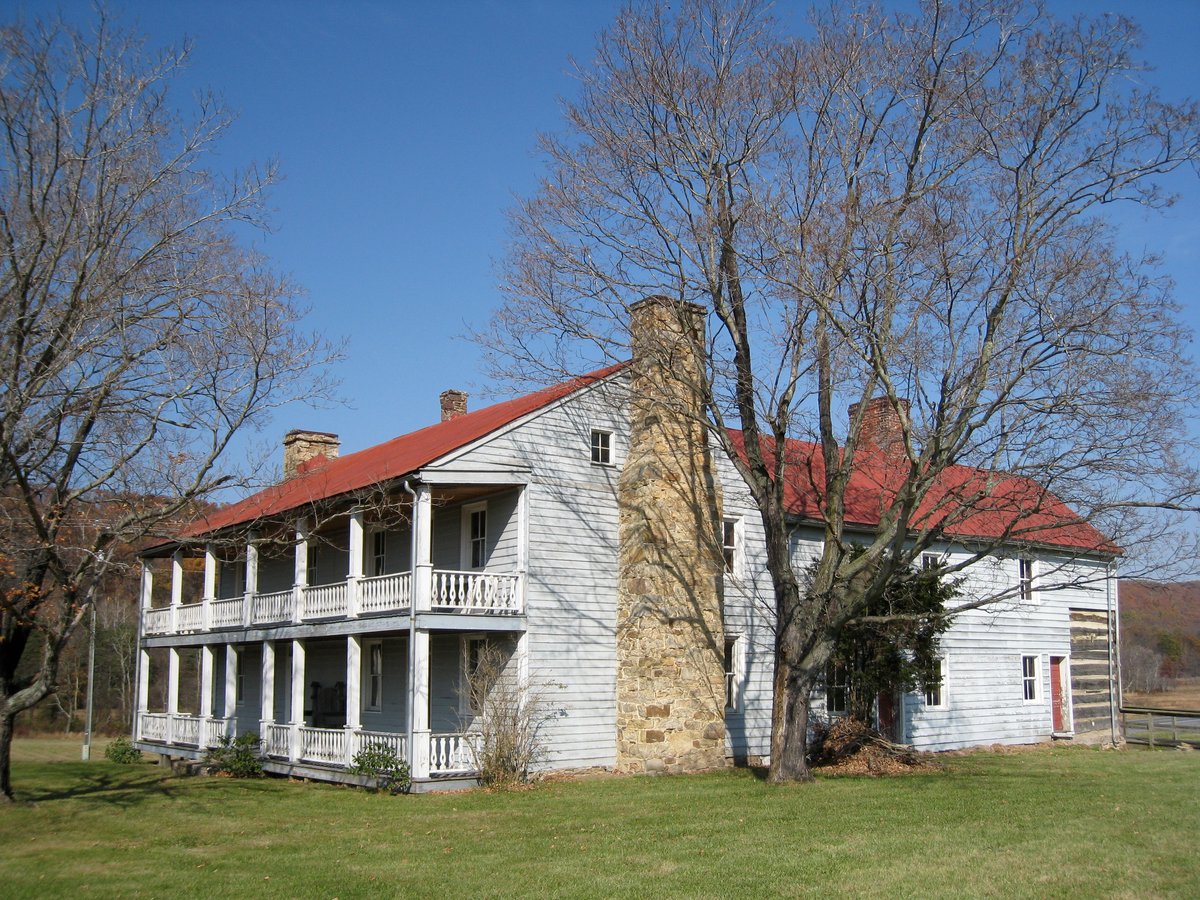
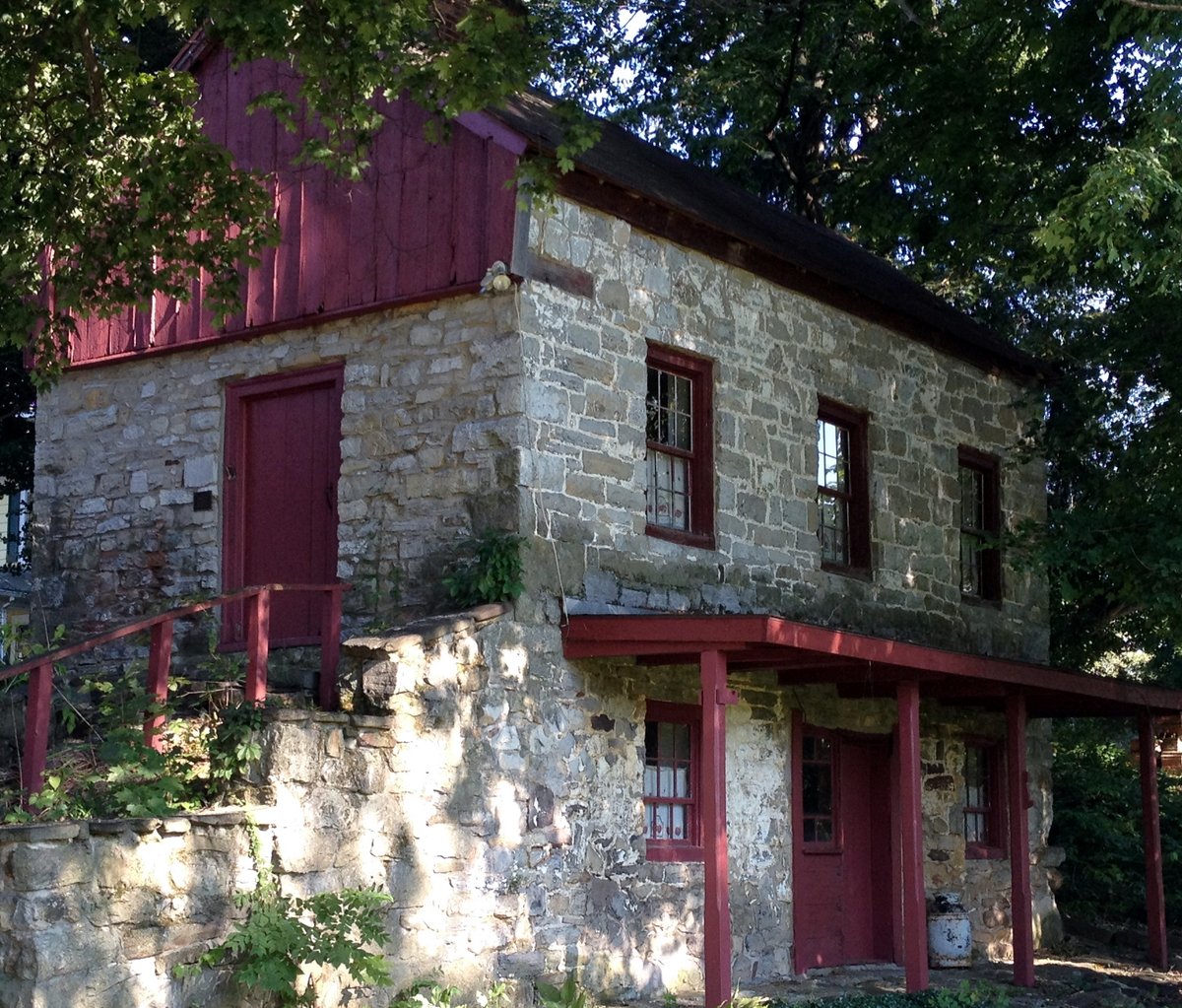
The Wilson-Wodrow-Mytinger House in Romney, West Virginia, is a complex of three structures built between the 1740s and 1780s. The complex has been known by several names over the centuries, including the Andrew Wodrow House and the Mytinger House. In 1763, Colonel George William Wilson received a patent for the lot where the house stands, though he relocated to Pennsylvania shortly thereafter. In 1770, George Washington spent the night in a log cabin on the northeastern corner of the property, which was his final visit to Romney.
The clerk's office, completed in the 1780s by Andrew Wodrow, is the oldest surviving public office building in West Virginia. While the office was a center of activity as Romney's main street, the kitchen building dating to 1750 remains the oldest remaining component of the house and the oldest building in Romney. The complex assumed its current configuration by 1790, and Wodrow served as Clerk of Court for Hampshire County until 1814.
After ownership passed through several families, including the Mytingers, Manning H. Williams purchased the house in 1959 and began a restoration in 1962. The restoration preserved the wooden floors, stairs, and most of the plaster while adding electric heating. In 1973, Dr. Herbert P. Stelling purchased the house, and it opened as a museum and an arts and handicrafts shop known as Colonial Craftsmen. The property was listed on the National Register of Historic Places in 1977 and is currently owned by Old Hampshire Ltd.
Sources: Wikipedia, OpenStreetMap, Wikidata, Wikimedia Commons
Written by Friendly Jane
Discuss this with the author and others
No comments yet. Be the first to start the conversation.