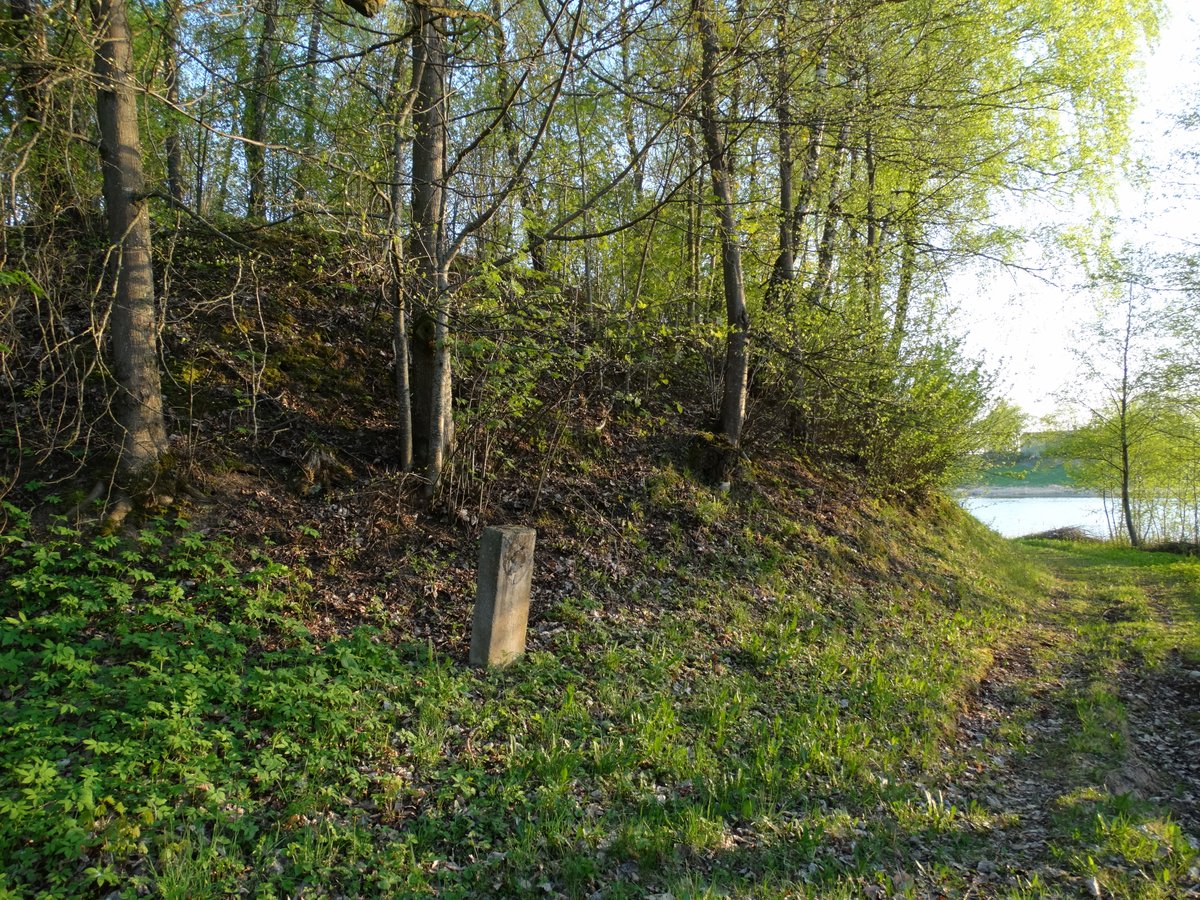

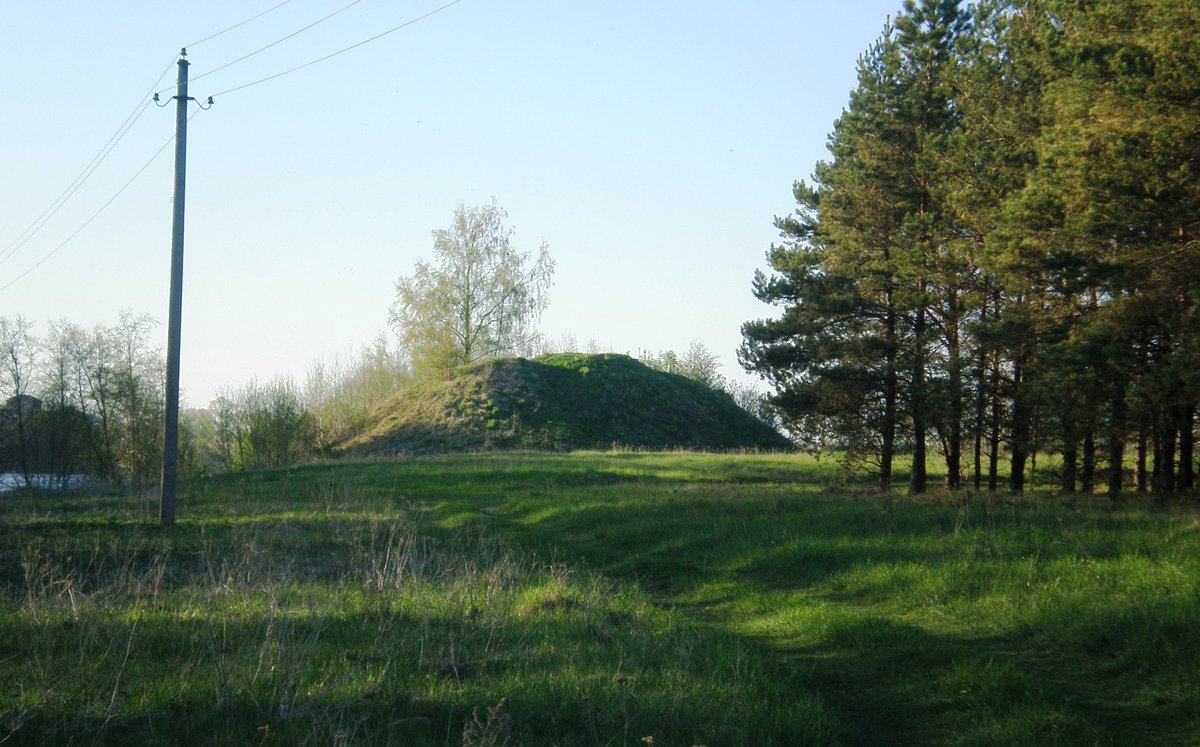
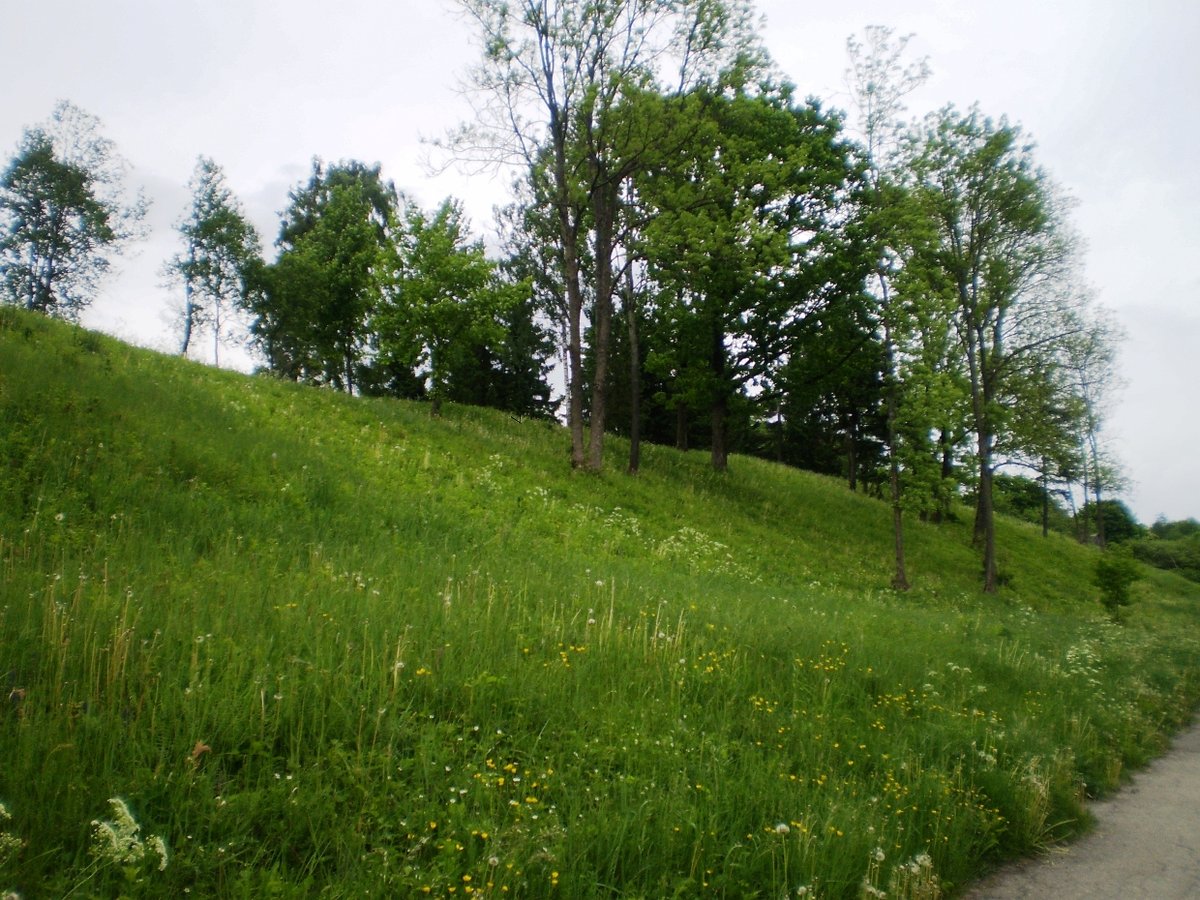
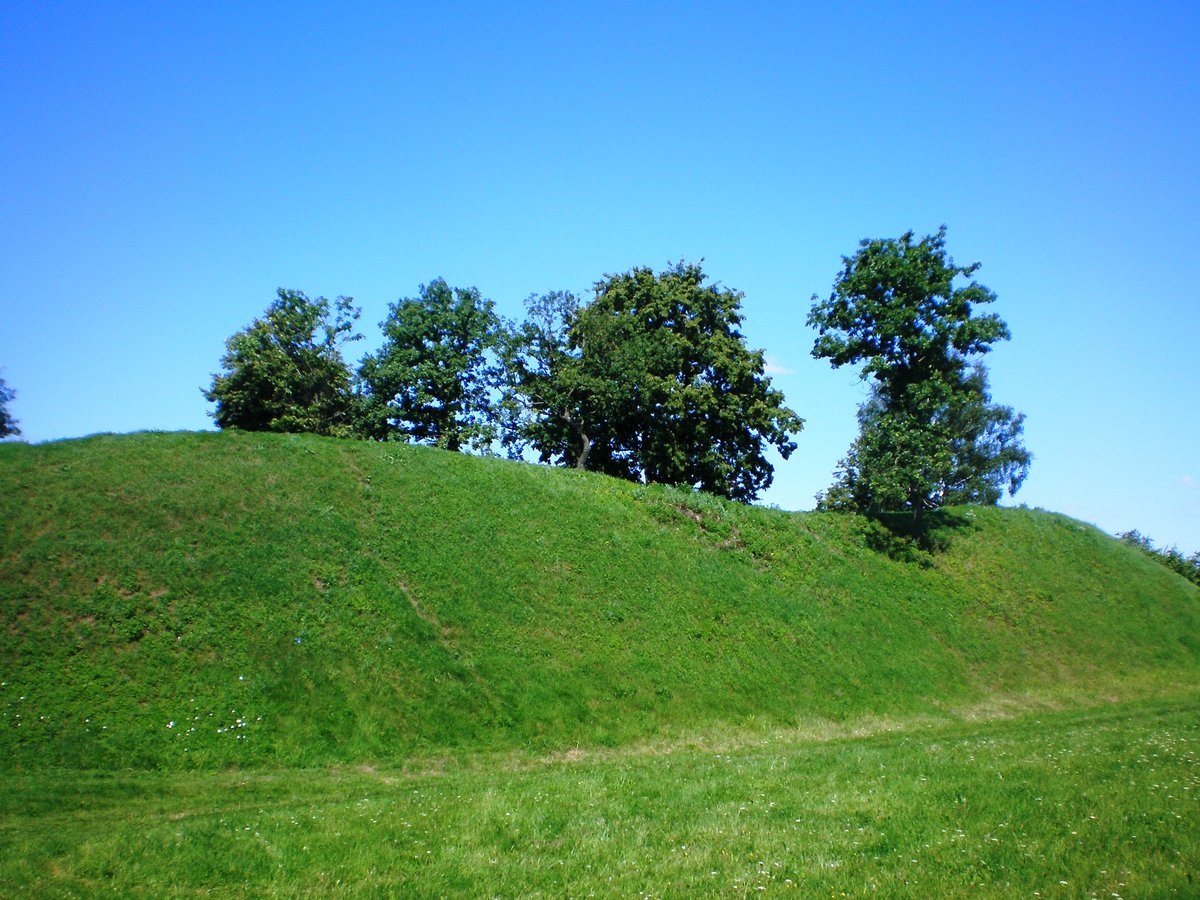
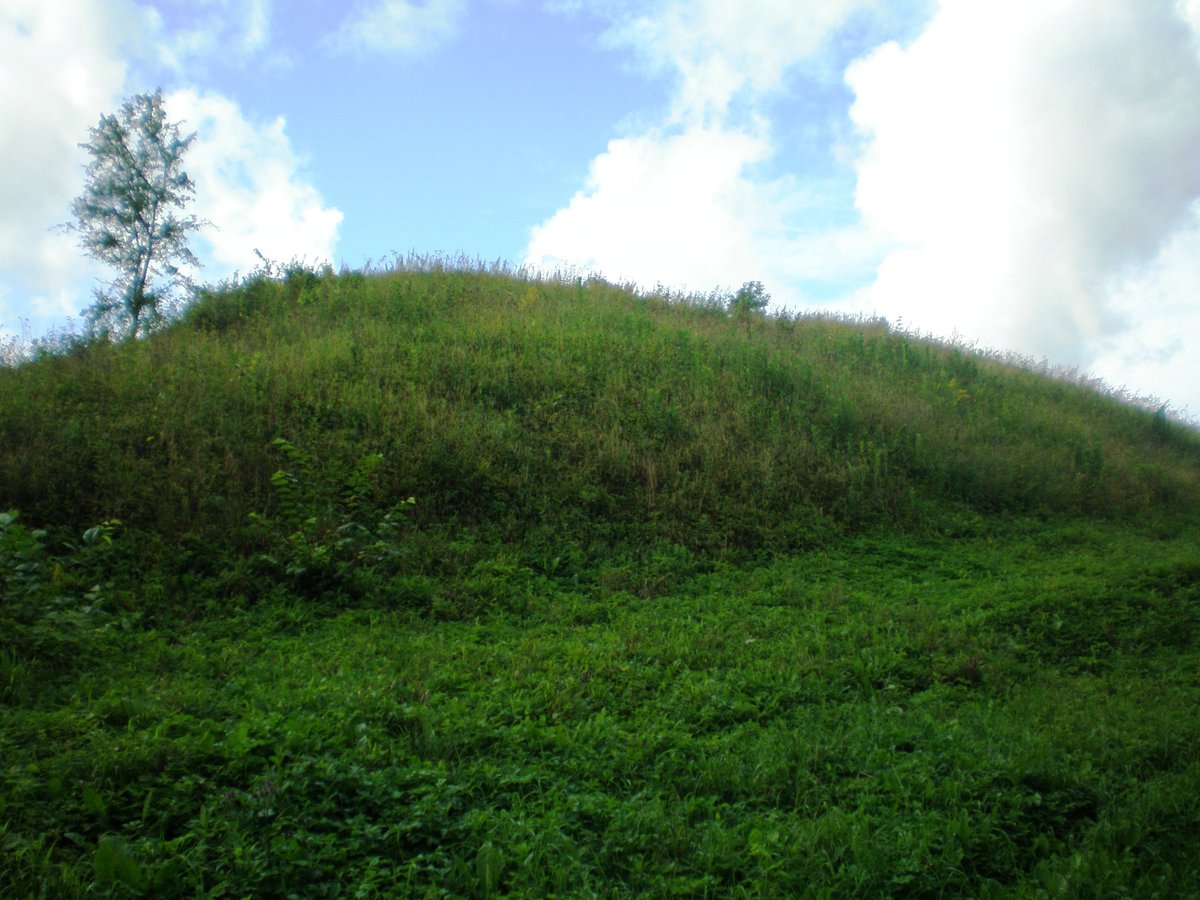
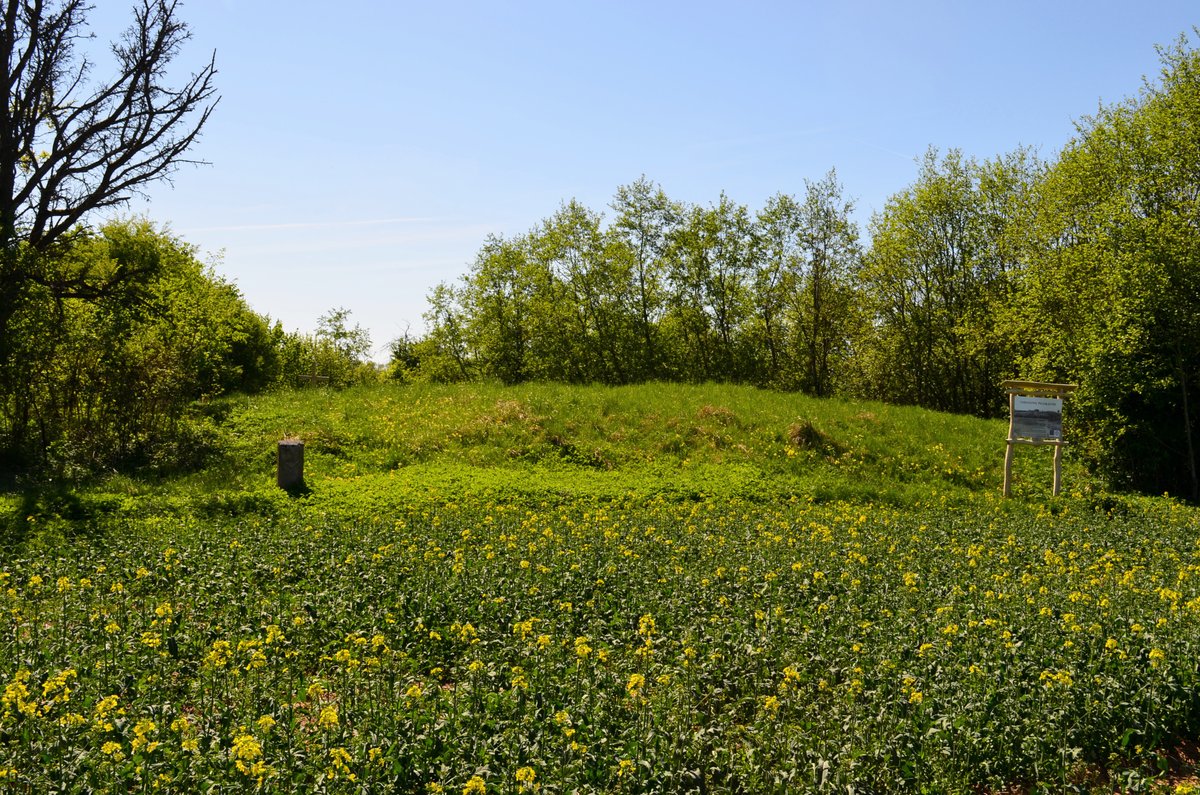
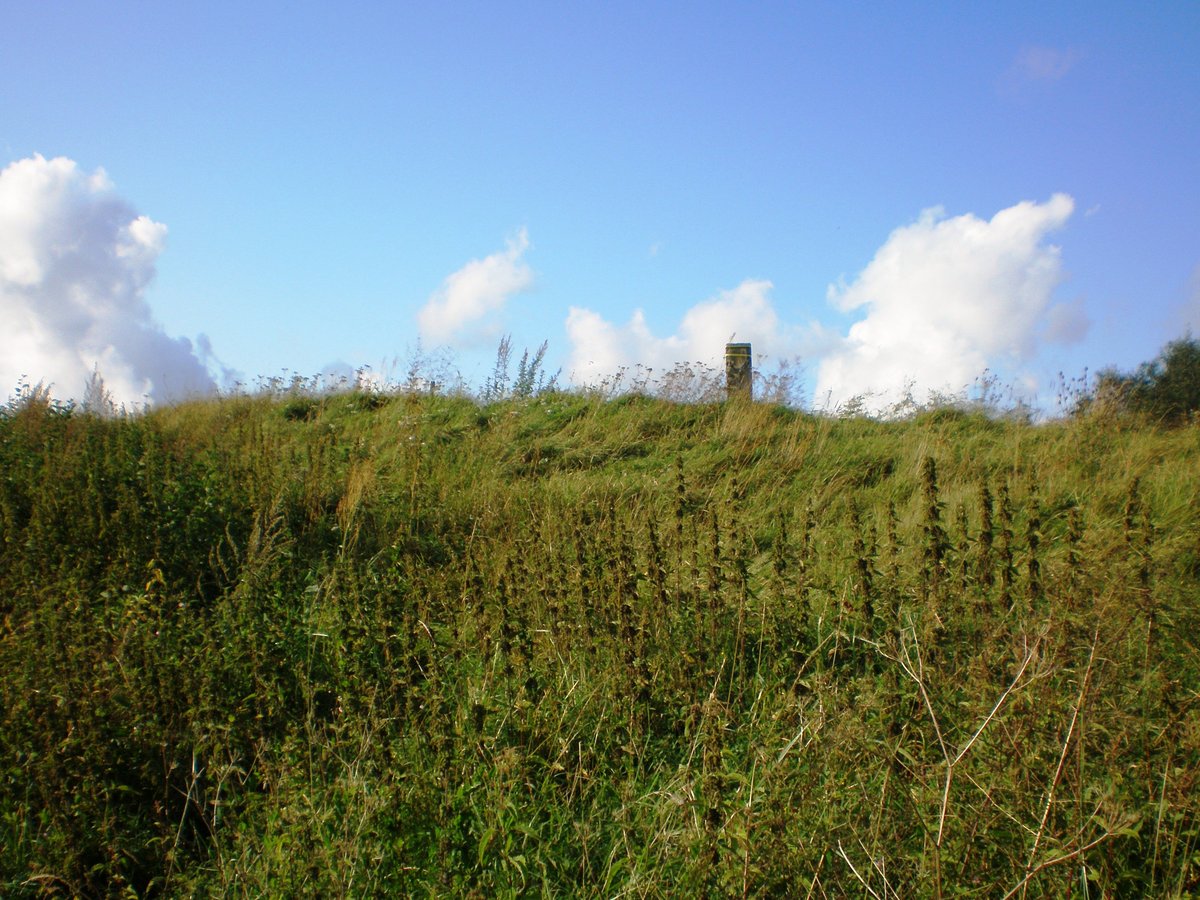
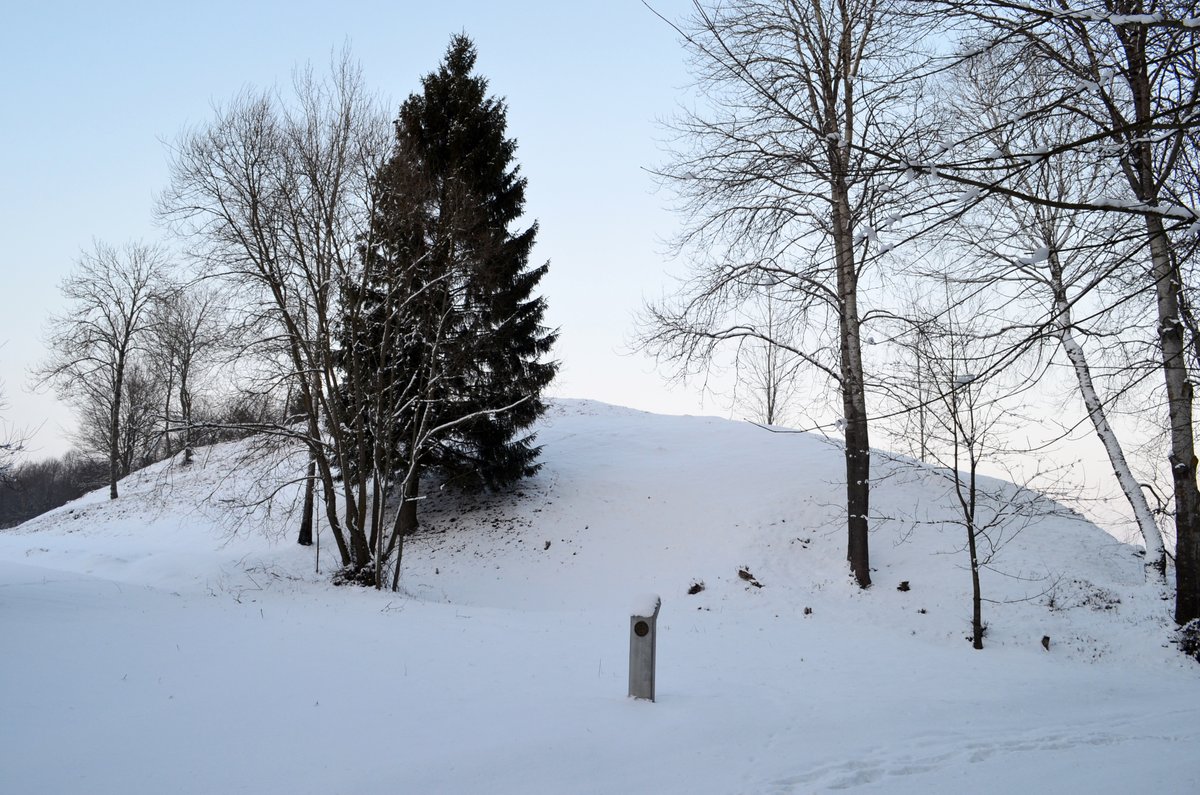
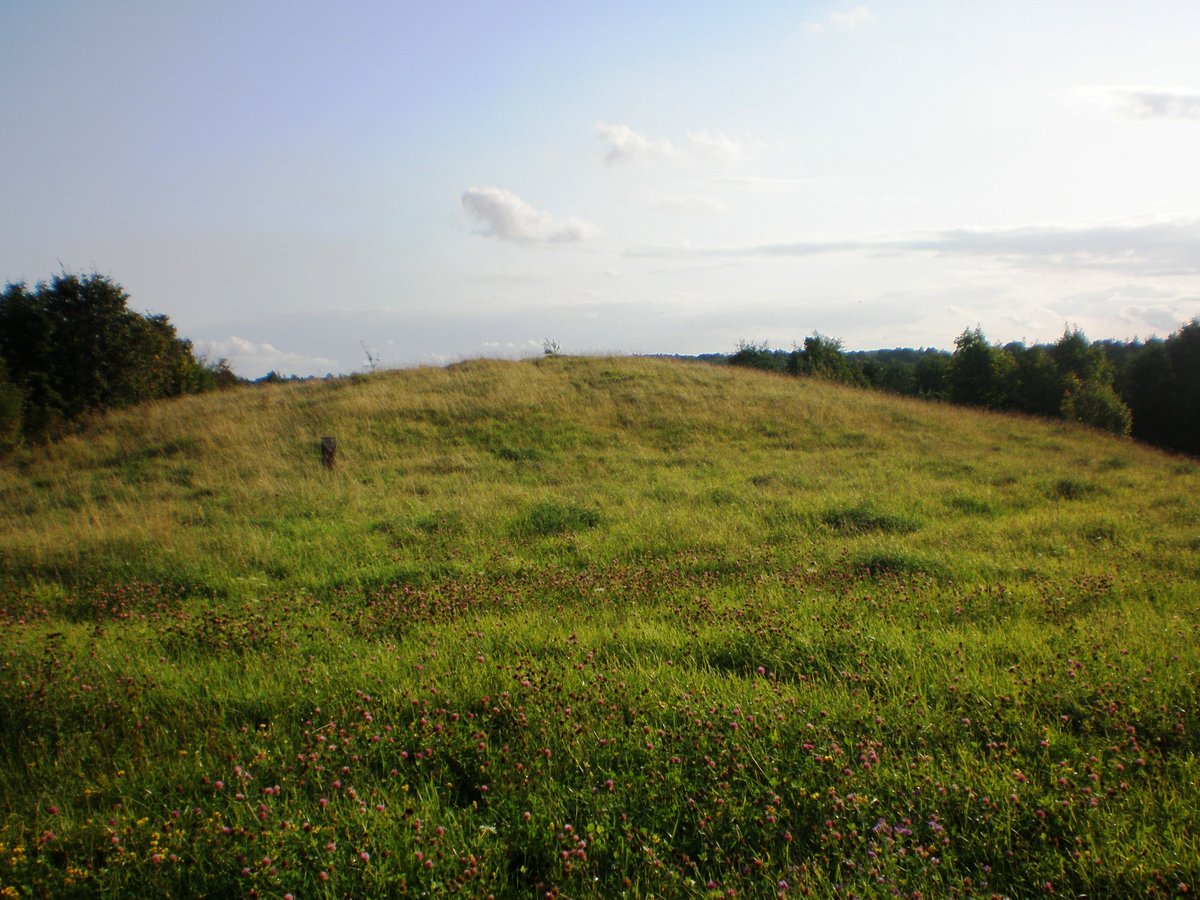
Pilionių piliakalnis, also known as Švedkapis or Piliukas, is situated in the Kėdainiai district, in the northern part of the Pilionys settlement. The site features a triangular enclosure measuring 44 meters long and 35 meters wide in its northern part. At the northern edge of the enclosure, there is a 35-meter-long, 3-meter-high rampart, behind which a 3-meter-wide, 0.3-meter-deep ditch was excavated. Further north is a mound with an enclosure measuring 17x27 meters, featuring a 11-meter-wide, 2.5-meter-deep ditch with a 5-meter-wide bottom, where a field path now passes. The slopes reach heights of 5-7 meters.
A brick chapel and a wooden cross were erected on the hillfort in 1934, with wide stairs leading up to the chapel. The site is densely covered with trees and bushes. In the southern and southwestern parts of the base, there was a settlement. Archaeological findings at the site include remains of polished, roughened, and smooth ceramics.
Local legends state that Lithuanians defeated the Swedes at this location, many of whom were killed or buried in the hillfort. According to folklore, the hill was formed when the Swedes buried dead comrades, filling their hats with earth. For decades, historians claimed that Pilionių piliakalnis was the famous Pilėnai, where Lithuanians fought against the Crusaders. The owners of Naujaupės dvaro called the hill Girštautai – Aukso kalneliu. Between 1930 and 1934, Vladas Girštautas built a brick chapel with a burial niche on the hill. Every year, the feast of Saint Helena (named after the founder's wife) was celebrated here.
Sources: Wikipedia, OpenStreetMap, Wikidata, Wikimedia Commons

Written by Nicolo Ciampini
Discuss this with the author and others
No comments yet. Be the first to start the conversation.