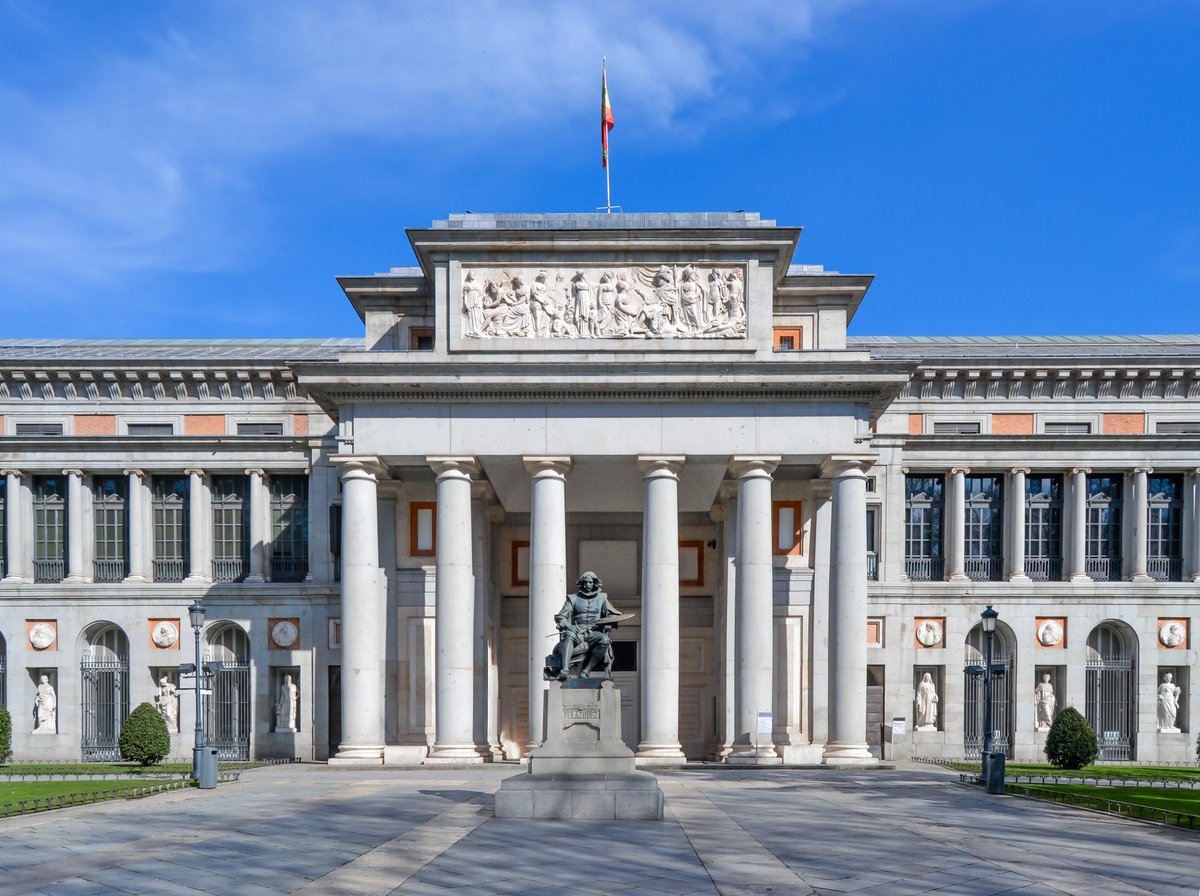

The structure on Paseo del Prado was conceived for a different purpose than it serves now. In 1785, Juan de Villanueva designed the building for King Charles III to house a Natural History Cabinet. This original intent remained until 1819, when Ferdinand VII and Queen María Isabel chose to convert the space into a Royal Museum of Paintings and Sculptures.
This initiative served a dual purpose. It was intended to showcase the art of the Spanish Crown while proving to the rest of Europe that Spanish art held equal merit to any other national school. As the collection expanded, the building required further renovation. Following 1868, the museum became the Museo del Prado and eventually integrated the holdings of the Museo de la Trinidad and the Museo de Arte Moderno.
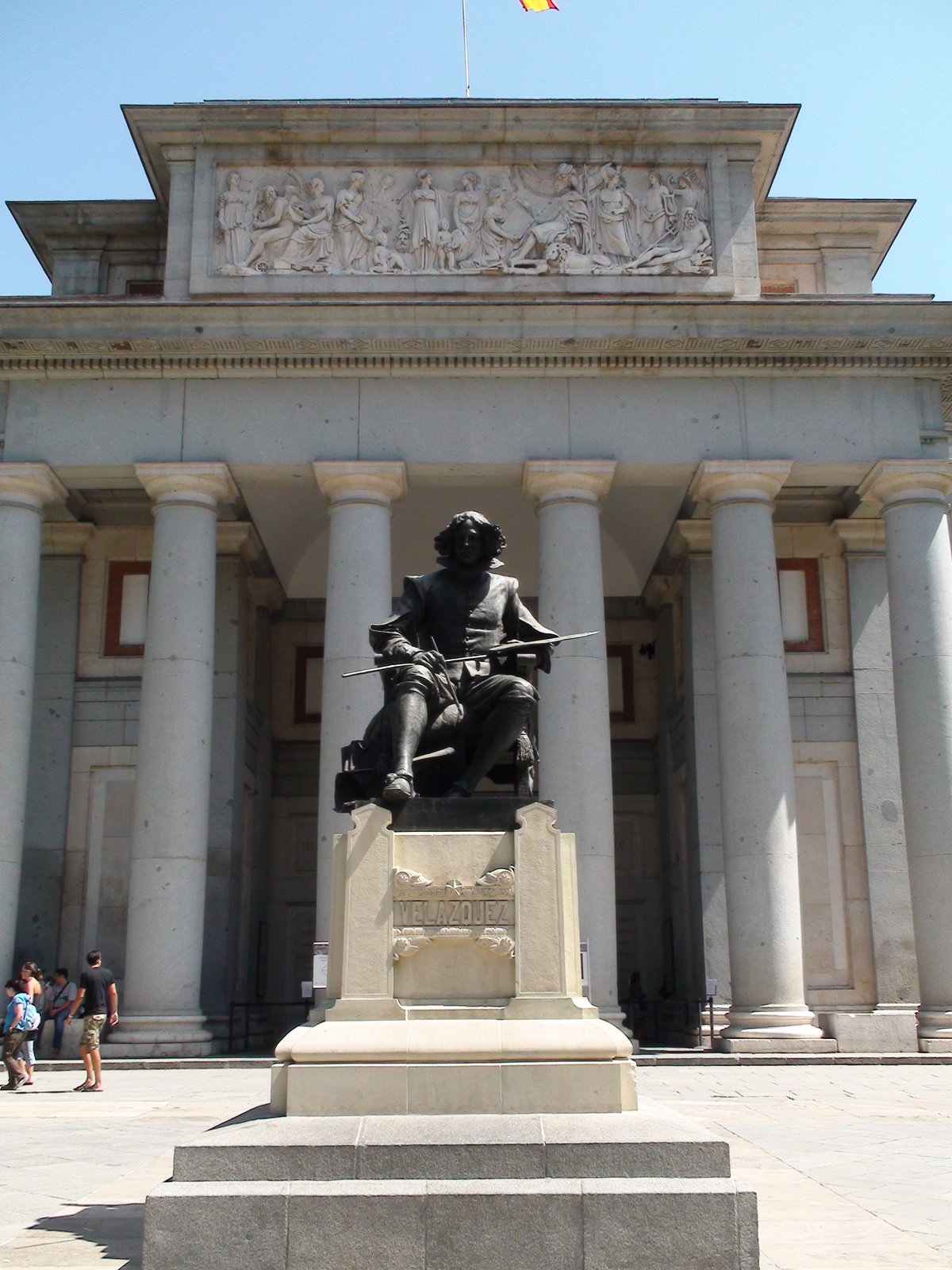
Located in the heart of Madrid's Golden Triangle of Art, the site invites us to explore the world's finest collection of Spanish art. Visitors can study the masterpieces of Velázquez, Goya, and El Greco. While thousands of pieces reside in storage or on loan, the main buildings offer a focused view of 1,300 works for those seeking to discover its treasures.
Sources: Wikipedia, OpenStreetMap, Wikidata, Wikimedia Commons
Written by Nik Frost
Discuss this with the author and others
No comments yet. Be the first to start the conversation.