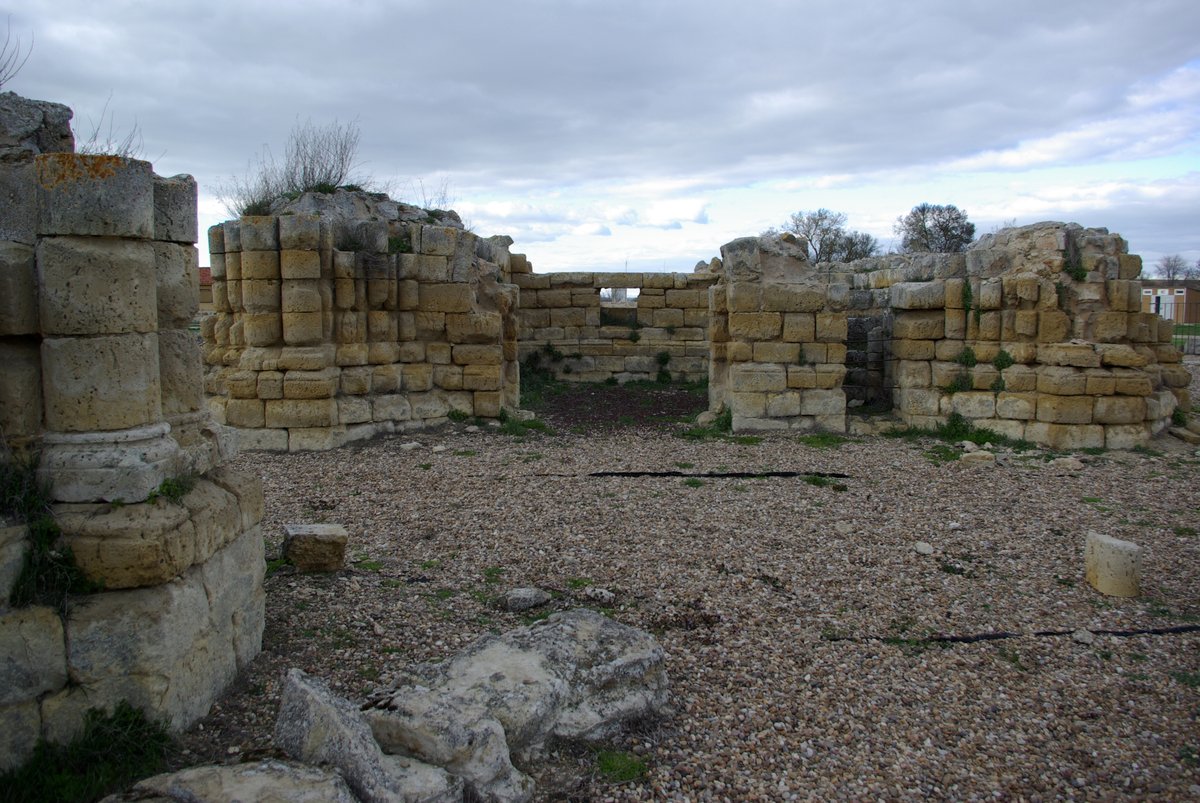

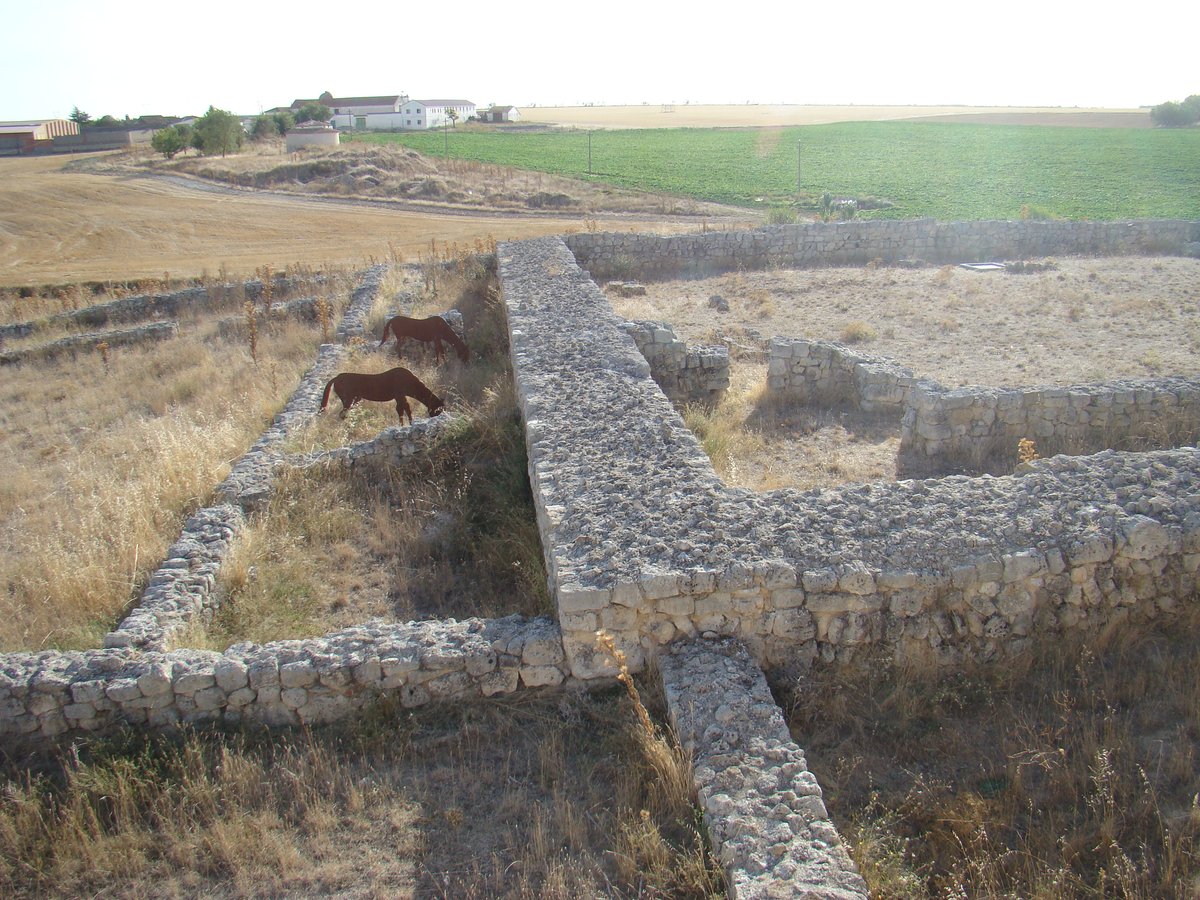
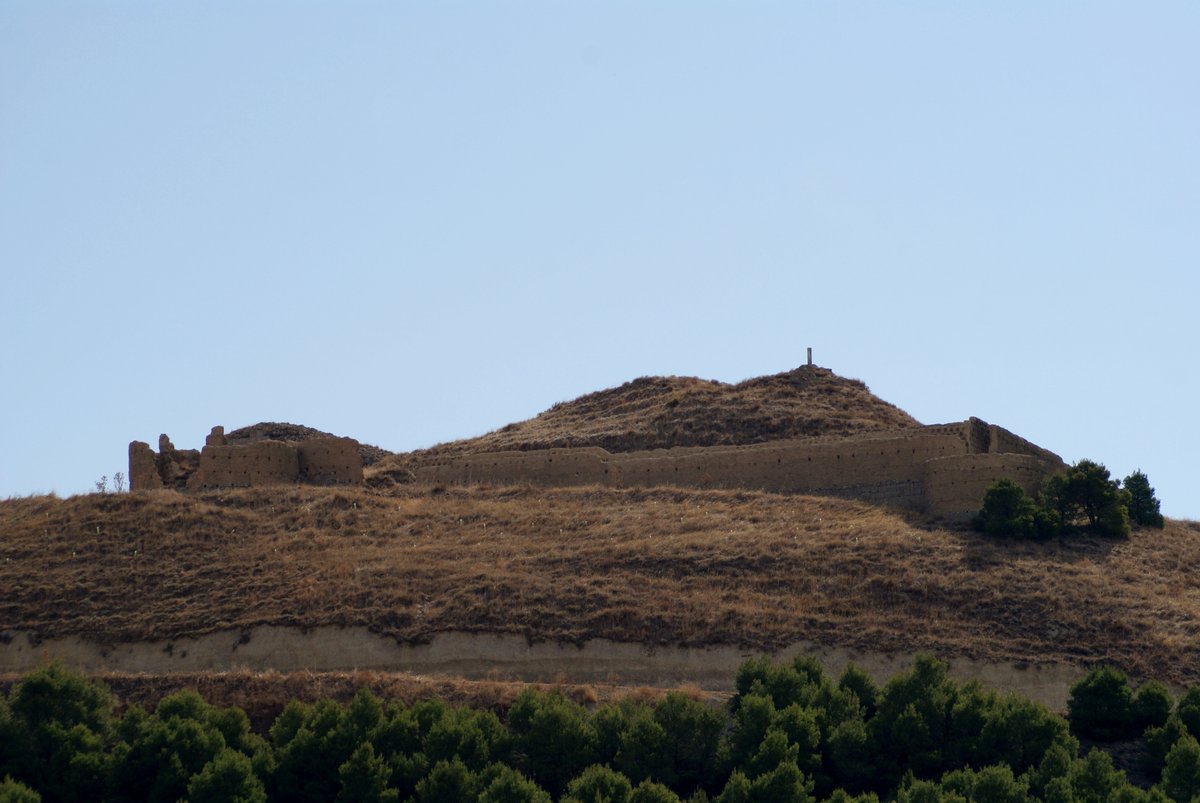
In 1185, Tello Pérez de Meneses and his wife Guntroda García founded the Cistercian monastery of Nuestra Señora de Matallana. The land provided for the construction of the monastery was already occupied by a village known as Mataplana, which featured a necropolis called Prado Guadaña. This necropolis contains burials dating from the Visigothic period to the High Middle Ages.
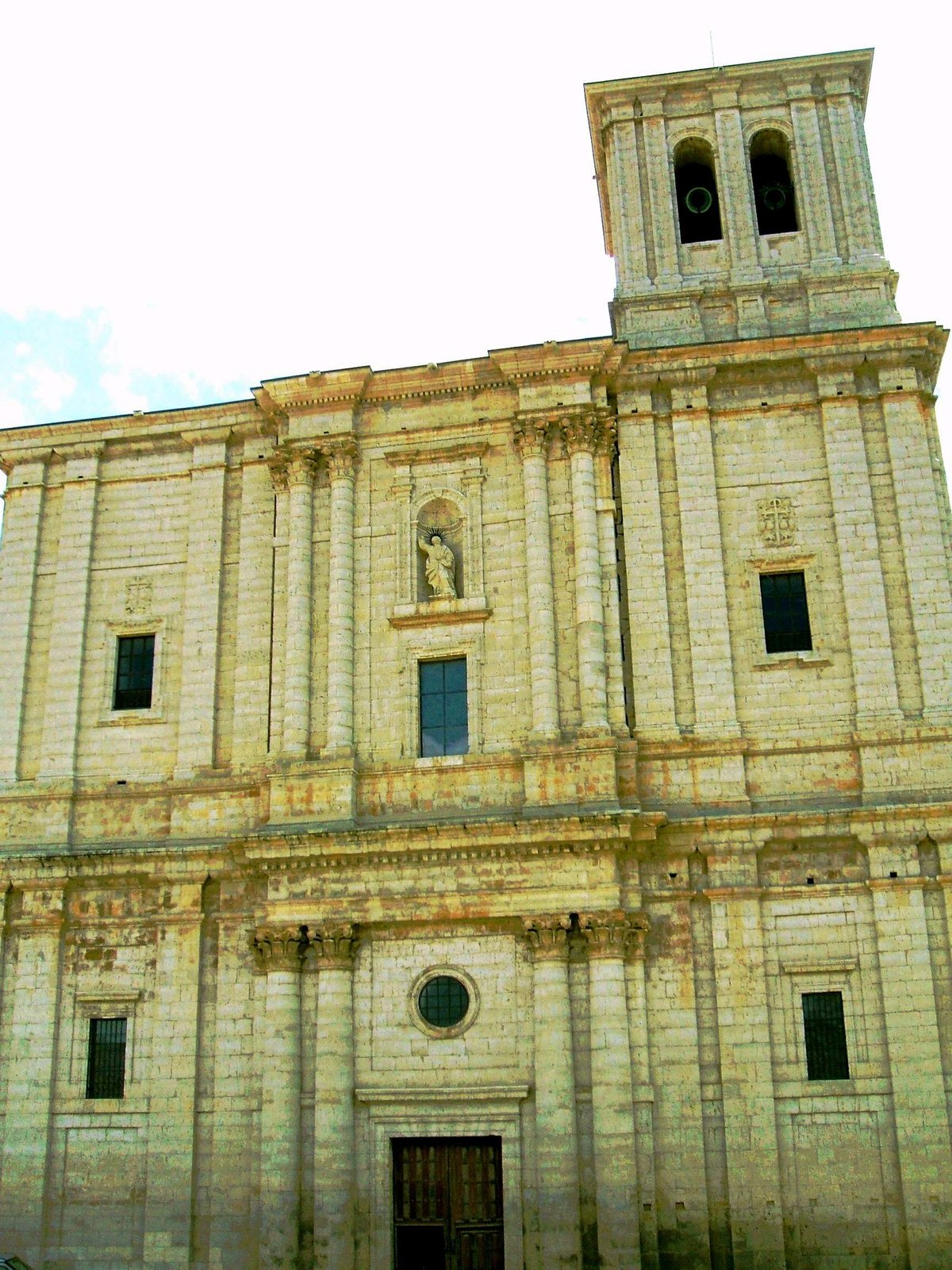
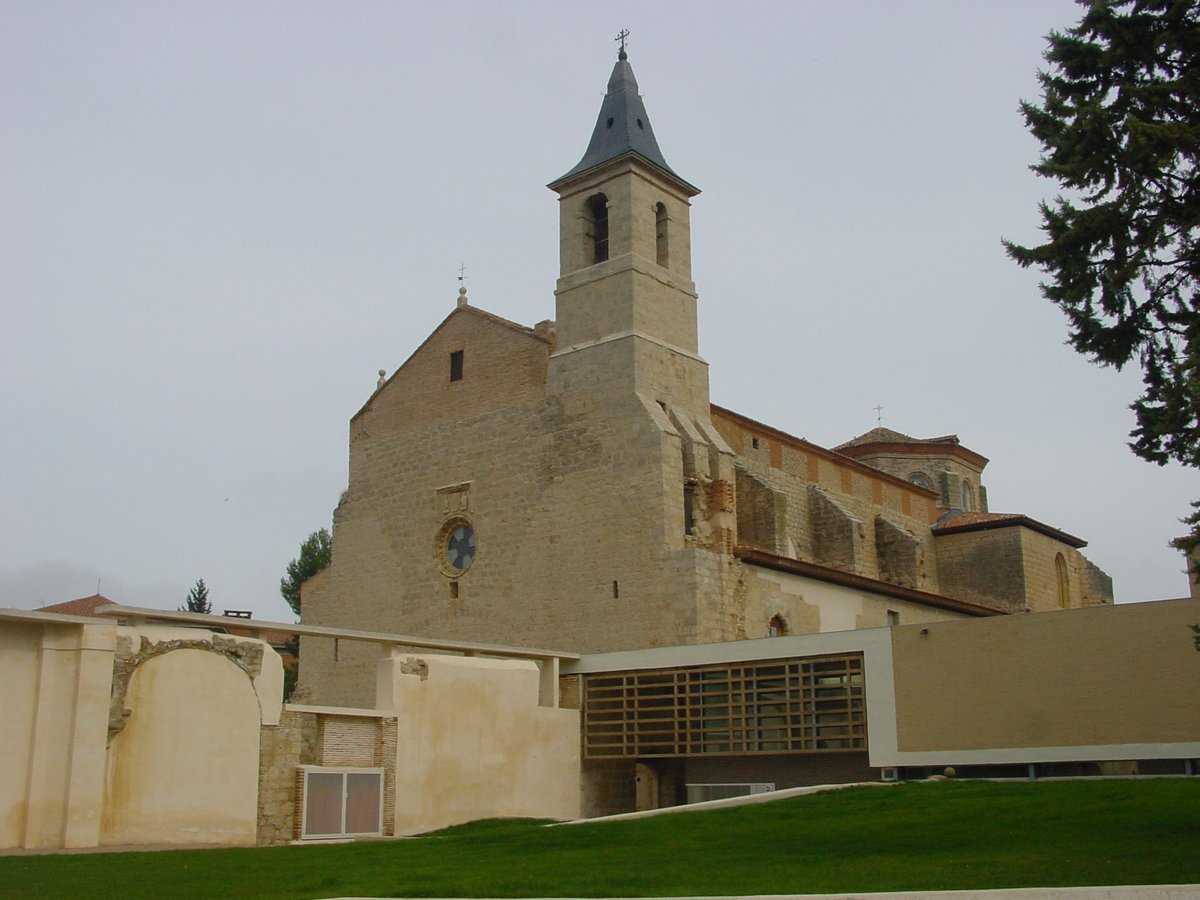
By the 14th century, the church was constructed following the model of the Monastery of las Huelgas in Burgos. The remains of the perimeter wall and the starts of its pillars are still standing today as a testament to that imitation. Following the exclaustracion de los monjes with the implementation of the disaffection laws of the 19th century, the site was initially used as a hospital for workers of the Canal de Castilla, later as a quarry for the construction of the canal's branch, and eventually as an agricultural estate.
In 1975, the Diputación Provincial de Valladolid acquired the land and eventually converted the site into a Centro de Interpretación de la Naturaleza. Today, the complex includes a botanical garden with native aromatic plants, a circular dovecote, and a theme park for different sheep breeds. Visitors can also explore an exhibition on local flora and fauna, a small lagoon, a greenhouse, and an environmental path surrounding the monastery ruins.
Sources: Wikipedia, OpenStreetMap, Wikidata, Wikimedia Commons
Written by Nicolo Ciampini
Discuss this with the author and others
No comments yet. Be the first to start the conversation.