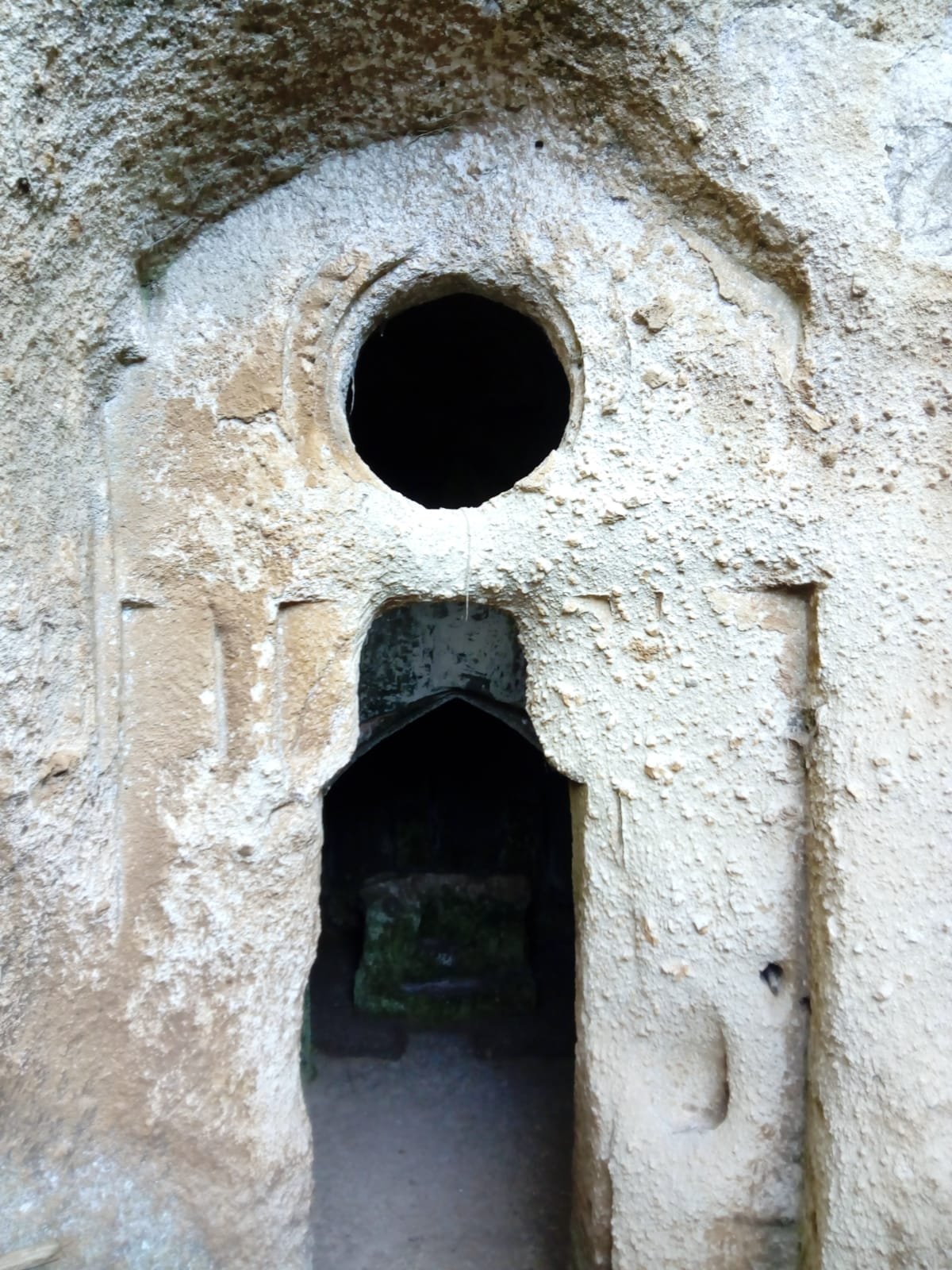

Why does a cave church feature a ceiling with two separate sections depicting what may represent male and female symbolism? It is a distinct feature of this Catholic site, where it serves a dualistic theology. The Eremo di Poggio Conte is a sophisticated work of stone and paint, tucked away along the Fiora river in the Maremma region.
While the records place the site's origins in 1027, the current architecture is a work carved directly into the soft volcanic tuff. The site may have originated as Etruscan chamber tombs that were later expanded by hermits to serve as dwellings. You can see the transition from old living quarters to the church, with shelves carved into the rock and the remains of a chimney, suggesting a life of pious isolation and the practicalities of survival.
The church features floral and naturalistic symbols painted on the vaults and arches. These expressions of dualism were central to the Templar creed and do not have corresponding examples in other Christian buildings of the period. This connection is bolstered by the fact that the site is dedicated to San Colombano, the primary patron saint of the Templars, who established numerous stations in this area along the ancient Via Clodia.
During the winter solstice, the sun reaches the center of the altar through a hole in the rose window. The hermits here lived a self-sufficient life, tending to vineyards and fig trees near a waterfall and raising goats for milk and cheese. They would sometimes trade these goods with the nearby Monastery of San Colombano in exchange for bread and other necessities for their solitary lives.
Sources: Wikipedia, OpenStreetMap, Wikidata, Wikimedia Commons
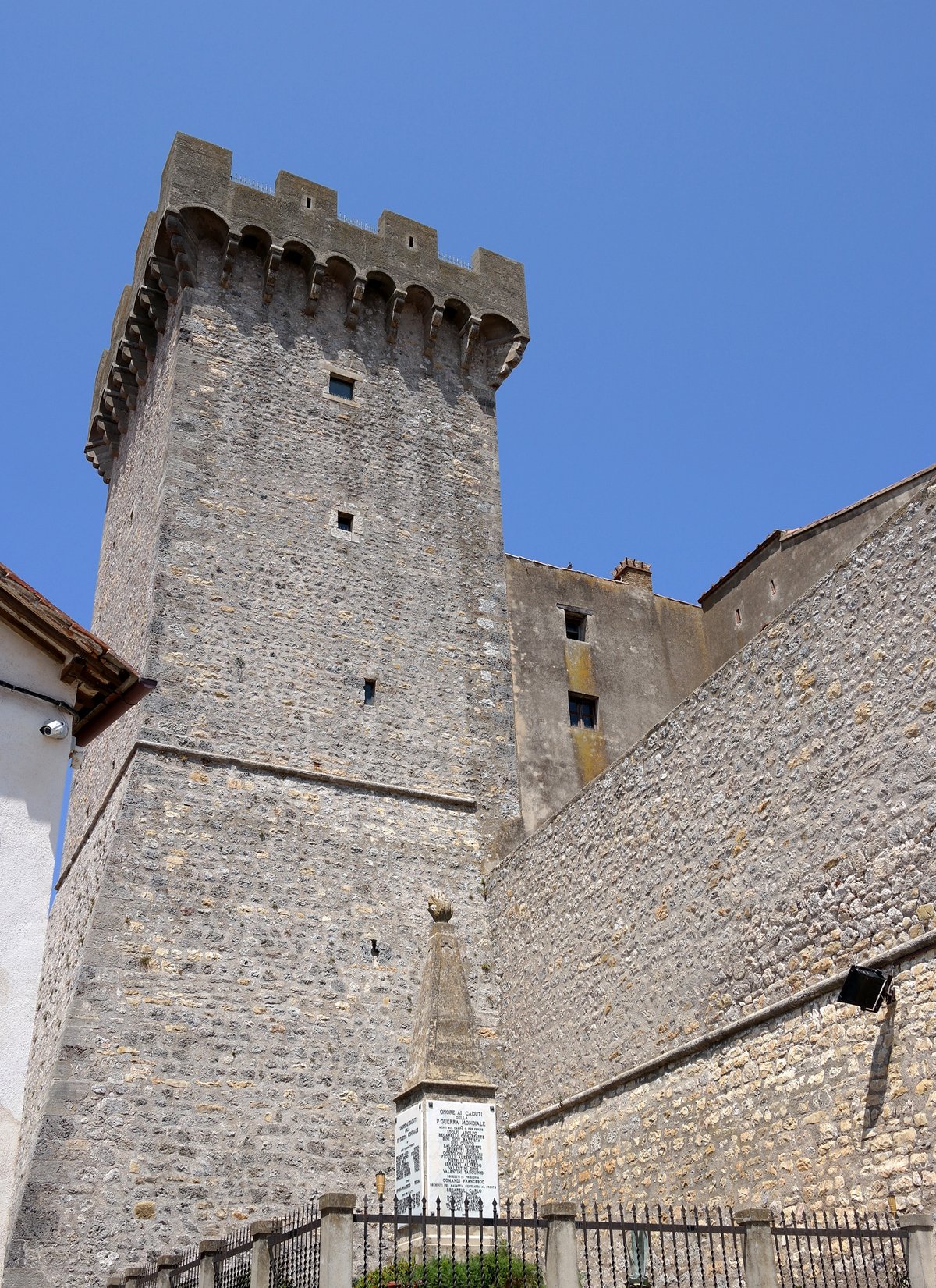
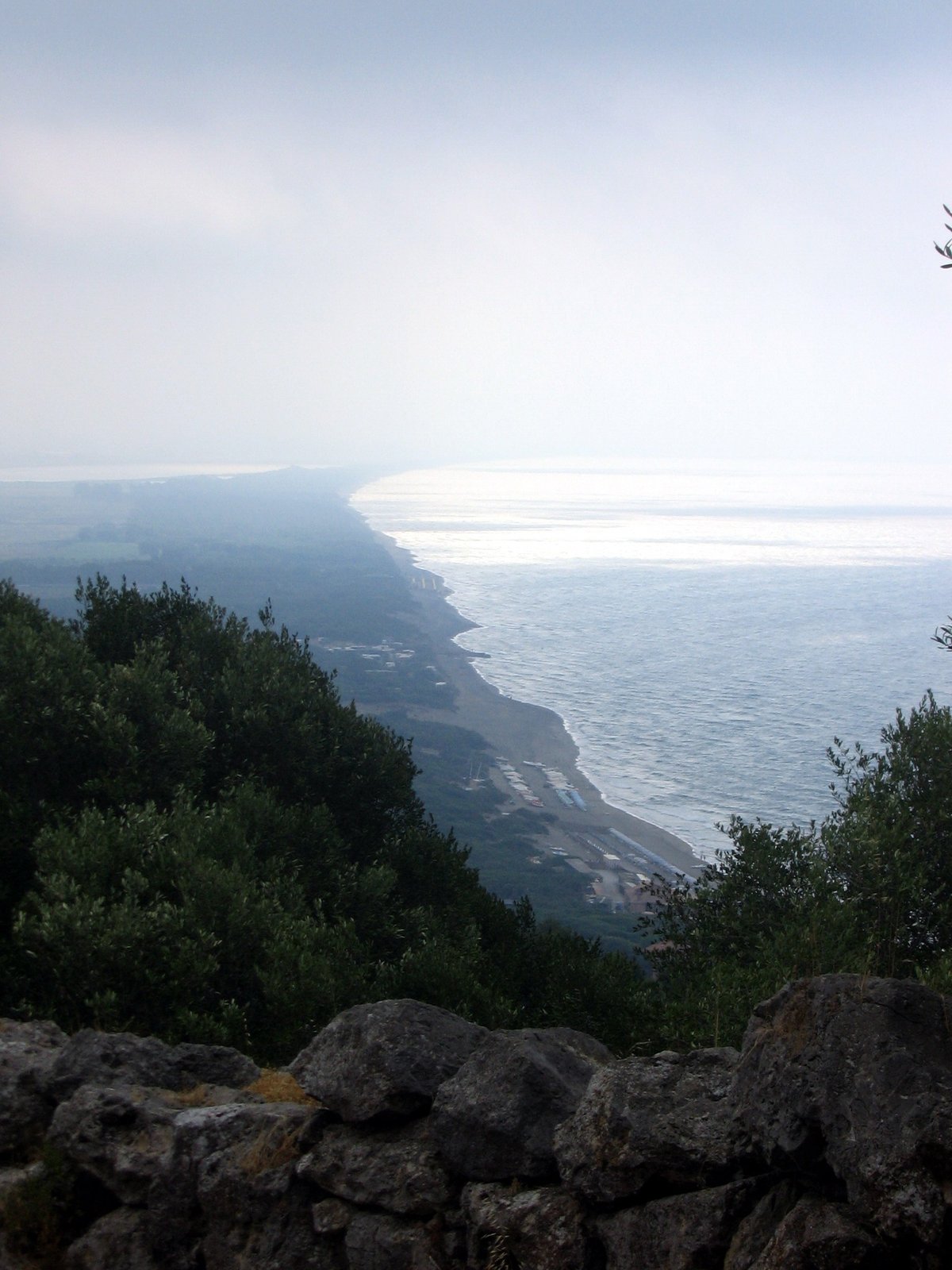
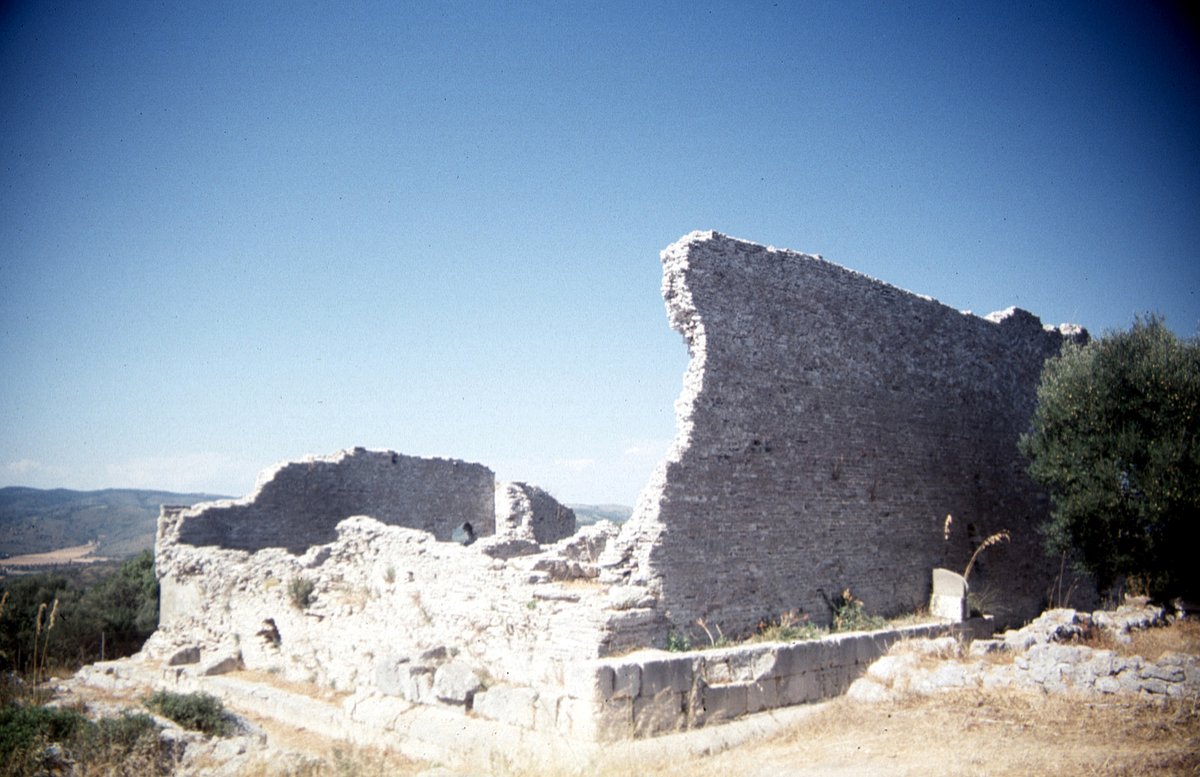
Written by Nicolo Ciampini
Discuss this with the author and others
No comments yet. Be the first to start the conversation.